
ChondroFiller® (CF): A Plan for Your Ankle with Dr. Huige Hou

Persistent ankle pain, swelling or catching can raise difficult questions: does the cartilage need repair, is the bone affected, and which treatment fits your life?

Explore how Dr. Huige Hou assesses your ankle, where ChondroFiller fits among the options, and what recovery involves.

Our coordination team handles initial enquiries and confirms consultation arrangements. Reported procedural experience as of 17 November 2026.

Could ChondroFiller Be Relevant to My Ankle?

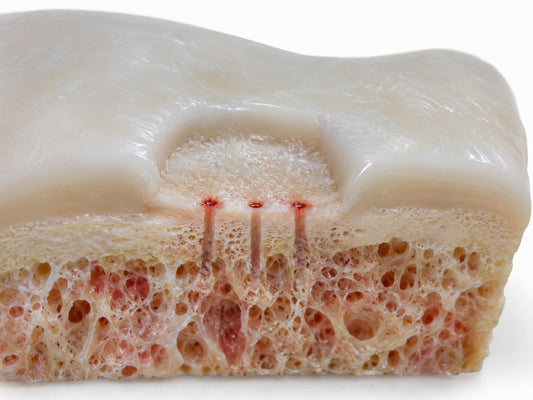
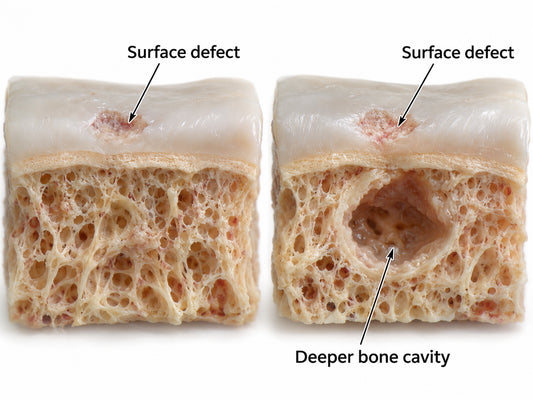
A focal defect affects a local area of cartilage on the talus, the bone beneath the shin. An osteochondral lesion also involves the supporting bone.

Ongoing symptoms and a defined defect: CF may be discussed when the lesion matches your symptoms and surgical repair is appropriate. An MRI finding alone does not mean you need surgery.

A deeper cyst or repeated giving-way: bone or ligament treatment may also be needed.

Widespread wear or previous surgery: the ankle needs broader reassessment; focal-defect studies do not automatically apply.

How Dr. Hou Plans Your Treatment

Dr. Huige Hou brings experience from more than 100 CF procedures to the discussion of your lesion, treatment choices and recovery.

A Plan for Your Whole Ankle

Your symptoms, examination and imaging are considered together. Dr. Hou’s assessment connects the cartilage surface, supporting bone and ankle stability with your goals for work and activity.

Four Decisions That Shape the Operation

Location: where is the lesion?
Depth: does the bone need treatment?
Access: how can the lesion be reached?
Stability: is ligament treatment needed?

Some lesions require an additional approach or osteotomy to gain access. Ask which steps are proposed and why.

What Happens During ChondroFiller Treatment?

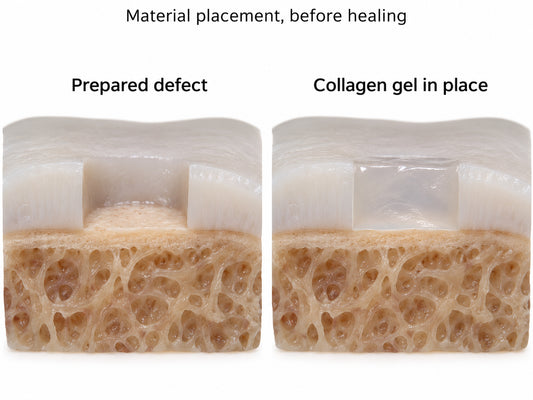
Prepare the defect. The surgeon assesses the cartilage and bone, then removes damaged or unstable tissue as appropriate.

Place the material. ChondroFiller liquid is a cell-free type I collagen implant. Its components mix during delivery and form a gel in the prepared defect.

Support repair over time. The matrix is designed to support the body’s own cells. The images show material placement before healing, not newly grown cartilage.

CF is a surgical implant, not a routine joint injection. It contains no transplanted stem cells and does not replace missing bone.

Compare Your Treatment Choices

CF adds a collagen scaffold to a prepared defect. It is not established as the best option for every lesion. The approaches below may be alternatives or parts of a combined plan.

Nonsurgical Care

Rehabilitation, activity adjustment and selected support or bracing may help symptoms and function. Review what you have tried, for how long and with what response.

Bone Marrow Stimulation

Microfracture or drilling makes small openings in bone to stimulate a repair response. Suitability depends on lesion size, bone loss and other findings. CF has not been proven universally superior.

Treating Deeper Bone Damage

A cyst or structural defect may need bone grafting or osteochondral reconstruction. Covering the cartilage surface alone does not rebuild a substantial bone cavity. Ask about graft source and access.

Recovery: Three Stages to Plan For

Your complete operation determines the pace. Bone grafting, ligament repair or an osteotomy may change restrictions. Agree a written plan rather than relying on a universal timetable.

Protect the Repair

Manage swelling and wound care. Confirm whether you need a boot or crutches, how much weight you may bear and which movements are allowed. Arrange help with stairs and daily tasks.

Build Movement and Strength

Progress exercises and loading within your prescribed plan. Reviews assess symptoms, movement and function; bone procedures may need imaging. Feeling better is not clearance to advance on your own.

Return to Your Activities

Desk work, standing and running have different demands. Progress depends on pain, swelling, strength, balance and your activity. Comfortable walking does not automatically mean readiness for impact sport.

Risks and Recovery Questions to Discuss

What could go wrong?

How many weeks will I need crutches or a boot?

What if my symptoms do not improve?

How should I plan travel and follow-up?

What Should I Expect from Treatment?

The goal: improve pain and function through a plan suited to your ankle. Normal native cartilage or a particular result cannot be promised.

Experience and evidence answer different questions. Dr. Hou’s procedure count describes experience; it is not a measured success rate.

Published findings are encouraging but limited. Small case series and combined operations make it difficult to isolate CF’s benefit or predict long-term durability. Open the research summaries below for the details.

What Clinical Evidence Can — and Cannot — Tell You

What does Dr. Hou’s procedural experience tell me?

What did the 2026 ChondroFiller ankle study find?

Is there other directly relevant ChondroFiller research?

Do broader collagen-scaffold studies prove CF works better?

Does ChondroFiller always require microfracture or fibrin glue?

Prepare for Your Assessment

Your symptoms: when they began, what limits you and which activities you want to return to.

Your records: MRI images and reports, previous treatments and operation reports. CT may be requested where relevant.

Your questions: why this option, which alternatives, what recovery means for work and travel, and what happens if symptoms persist.

Start with a brief enquiry. The coordination team will explain the formal record-sharing process and consultation arrangements.

Prepare for an Assessment with Dr. Hou

Which records will help?

What should I expect the review to clarify?

How is material suitability and availability confirmed?

What is free, and what is paid?

Sources and Further Reading

Dr. Hou’s teaching material

Material and patient information

About this guide

Start Your Assessment Enquiry

Tell us your country, preferred language, main ankle symptoms or diagnosis, previous treatment and the activities you hope to return to.

Our coordination team will explain the records needed for a review involving Dr. Huige Hou and confirm consultation arrangements. Initial enquiries are free; record preparation, assessment coordination and doctor video consultations are separate paid services.

Return to Dr. Hou’s foot and ankle guide

Request a Review with Dr. Hou

This form reaches the coordination team. Submitting it does not book surgery or confirm a particular treatment. Please send a brief enquiry; do not include identity documents or full medical records.

Read the Privacy Notice, service terms and refund and cancellation terms.

For urgent symptoms after a new injury, including a deformed ankle, a cold or numb foot or inability to bear weight, seek prompt local medical care.