




























Colorectal Peritoneal Metastases: Specialist Assessment in China

01 / 12

Understand Your Options Before Your Next Decision

When colorectal cancer spreads to the peritoneum, patients and families often ask: could surgery help, is HIPEC appropriate, and what should happen next? Explore the questions a specialist assessment may address and the relevant work of Professor Hui Wang. All images on this page are AI-generated educational illustrations, not real patient records, procedures or clinical events.

Discuss a specialist assessment

Bring together your diagnosis, previous care and priorities. Ask what can be assessed, which information is missing and what should happen next.

Understand the disease location

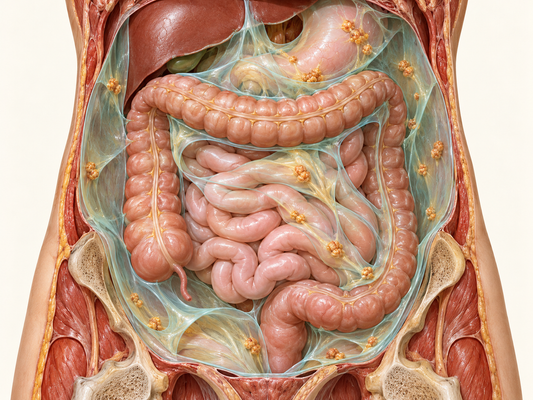
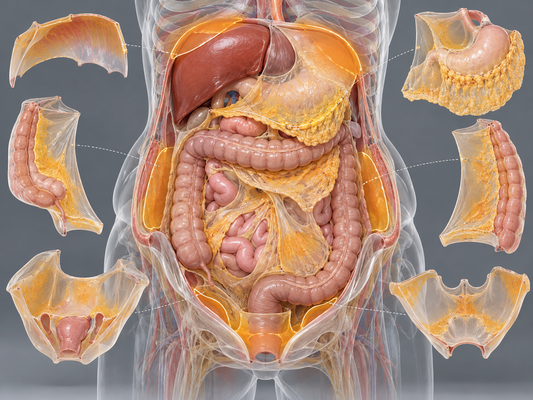
The peritoneum is the lining of the abdominal cavity and the surface of many abdominal organs. This page focuses on spread from colon or rectal cancer.

Prepare your key questions

Could surgery help? Is HIPEC appropriate? What are the alternatives and practical next steps? An assessment should explain the reasons behind a recommendation.

02 / 12

Is This Relevant to My Diagnosis?

This page focuses on peritoneal metastases arising from colon or rectal cancer. Primary peritoneal cancer and spread from other organs require separate assessment.

Confirmed colorectal peritoneal metastases

Understand what information is needed to discuss possible treatment pathways.

Suspected peritoneal disease

Ask whether existing findings are sufficient and what uncertainty remains.

Peritoneal recurrence after treatment

Discuss how previous operations, medicines and treatment response affect the next assessment.

Previously advised against surgery

Ask why surgery was not recommended and whether another specialist discussion could clarify your options. A second opinion does not guarantee a different recommendation.

03 / 12

What Does a Specialist Assessment Consider?

An assessment brings together the disease findings, previous care, general health and your priorities. It should explain what is known, what remains uncertain and why the next step is proposed.

Diagnosis and disease distribution

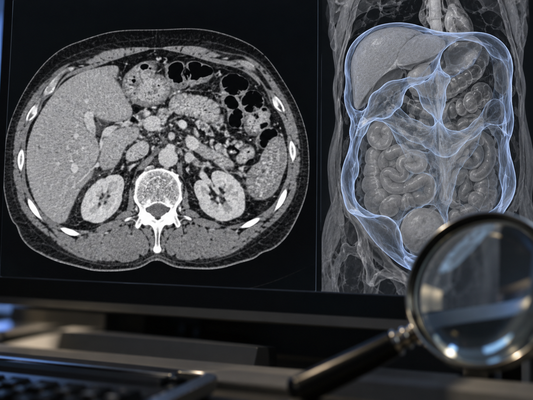
Pathology, imaging and any previous surgical findings help clarify the primary cancer and the distribution of disease, including sites outside the peritoneum.

Previous treatment and molecular results

Prepare treatment dates, medicines, response assessments and relevant molecular test results already available.

Fitness, nutrition and other conditions

Discuss daily activity, nutritional concerns, other illnesses and the support you may need during treatment.

Your goals and unanswered questions

Explain what matters most to you, including symptom relief, daily life, treatment burden and family support. Ask which additional information would change the recommendation.

04 / 12

Could Cytoreductive Surgery Be an Option?

Cytoreductive surgery (CRS) aims to remove visible tumour deposits. It is a major treatment decision that requires careful selection and discussion of expected benefits, risks and alternatives.

What is the intended goal?

Ask what the operation is intended to achieve in your circumstances and what could limit that goal.

What affects suitability?

Disease distribution, the feasibility of removing visible disease, overall health and other treatment options are considered together. A website checklist cannot establish eligibility.

What should I ask before deciding?

Discuss the proposed extent of surgery, potential complications, possible stoma, recovery needs and any treatment that may be advised afterwards.

05 / 12

Is HIPEC Appropriate for Every Patient?

No. Hyperthermic intraperitoneal chemotherapy (HIPEC) is not appropriate for every patient with colorectal peritoneal metastases. A plan for surgery does not automatically mean HIPEC should be added.

CRS: removing visible disease

Cytoreductive surgery aims to remove visible tumour deposits. A plan for surgery does not automatically mean that HIPEC should be added.

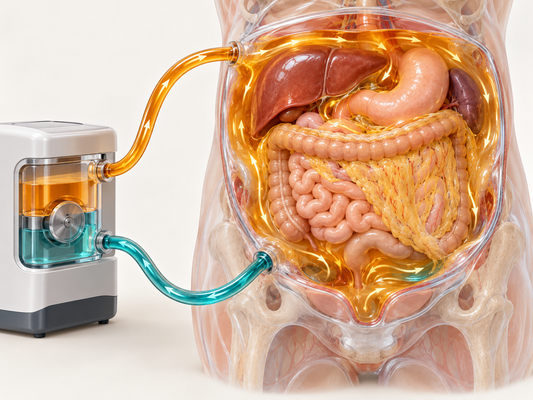
HIPEC: circulation within the abdomen

HIPEC circulates heated chemotherapy solution within the abdominal cavity as part of a specific protocol. The drug, cancer type and patient group matter when interpreting the evidence.

Ask why a protocol is being considered

Ask about the proposed regimen, supporting evidence, additional risks and uncertainties. The ASCO metastatic colorectal cancer guideline does not recommend adding oxaliplatin-based HIPEC to CRS in this setting. Observational research cannot establish benefit for every patient.

06 / 12

What If Surgery Is Not Recommended?

If surgery is not recommended, ask the team to explain why and to outline the next treatment and care goals. Ongoing care can address both the disease and the effect it has on daily life.

Discuss other treatment options

Ask your oncology team which systemic treatments or other options are appropriate in light of previous therapy, disease features and health.

Address symptoms and support needs

Discuss symptoms, eating, nutrition, activity and the help you and your family may need.

Clarify the follow-up plan

Ask when to reassess, which changes should prompt medical attention and who will coordinate continuing care.

07 / 12

Recovery, Stoma and Quality of Life

Before choosing treatment, discuss how it may affect everyday activities, nutrition, caregiving and plans to return home. Recovery is individual; a fixed timetable cannot be promised.

Return to everyday activity

Ask separately about hospital care, everyday activity and travel. The treatment undertaken, health and complications can affect recovery.

Understand possible stoma care

Ask whether a temporary or permanent stoma is possible with the proposed operation, what care it involves and whether reversal could be considered. Practical teaching and supplies should be discussed if relevant.

Plan individual nutrition support

Discuss eating difficulties, nutrition and activity advice for your circumstances. The appropriate plan depends on the treatment undertaken and your health.

Arrange help and follow-up

Confirm the plan for urgent concerns, routine follow-up and communication with your local clinicians after returning home. Discuss the support a companion or caregiver may need to provide.

08 / 12

Professor Hui Wang’s Relevant Background

Professor Hui Wang’s supplied professional materials describe work in colorectal surgery and research on colorectal peritoneal metastases, including detection, treatment evaluation, molecular features and postoperative issues. A profile does not guarantee that Professor Wang will personally provide every consultation or procedure.

Meet Professor Hui Wang

The supplied professional materials describe a background in colorectal surgery and research on colorectal peritoneal metastases. Confirm the named clinician and team when arranging care. This AI portrait is based on the supplied photograph.

Relevant clinical and research focus

Published work explores imaging, peritoneal fluid biomarkers and risk assessment. These research interests relate to questions about how disease is evaluated. Publications examine cytoreductive surgery, HIPEC and molecular factors. Research supports informed discussion but cannot predict an individual result.

Academic collaboration and education

The supplied materials list peritoneal tumour academic roles and participation in clinical education. Current appointments and consultation arrangements should be checked with the receiving institution. The image is an educational depiction, not a photograph of an actual meeting.

09 / 12

Research Behind the Questions Patients Ask

Selected publications help explain the clinical questions being studied. Research findings do not establish individual outcomes or routine availability of an experimental method.

Could peritoneal disease be detected more fully?

Yuan et al., Clinical Epigenetics, 2023: a prospective diagnostic study of peritoneal cell-free DNA. It studied peritoneal lavage fluid, not a routine blood test. Read the study.

Why might molecular findings matter?

Wu et al., Gastroenterology Report, 2023: BRAF mutation and prognosis after CRS for synchronous colorectal peritoneal metastases. An association does not determine individual prognosis or surgical eligibility. Read the study.

Does adding HIPEC change outcomes?

Qin et al., Frontiers in Oncology, 2022: a retrospective observational comparison of CRS with and without HIPEC. Interpret it alongside other evidence and guidelines. Read the study.

Who may need further investigation?

Zhang et al., Frontiers in Oncology, 2022: a prediction model for exploratory laparoscopy risk stratification in potential occult peritoneal metastasis. A model does not replace clinical judgement. Read the study.

10 / 12

Preparing for a Consultation in China

Before arranging travel, confirm the consultation format, receiving provider, required records and fees. Some questions may still require in-person examination or additional tests. Send medical records only later through a confirmed, appropriate channel.

1. Ask about consultation arrangements

Confirm whether the team reviews your diagnosis and which consultation formats are available.

2. Obtain the records checklist

Commonly useful records include pathology, imaging reports and original images, operation or discharge notes, treatment summaries and molecular results already available. Confirm translation needs.

3. Confirm the assessment and appointment

Ask who will review the case, how it is charged and which questions can be addressed before travel.

4. Plan travel after confirmation

Confirm the receiving arrangements and discuss fitness to travel with your treating clinicians before making commitments.

11 / 12

Costs, Timing and Practical Questions

Clear arrangements matter as much as clear medical information. Request confirmation of the scope of service before paying or making travel plans. Neither assessment nor published research can guarantee an individual outcome.

Clarify medical charges

Ask for the proposed scope and charges for consultations, tests, hospital care, surgery and medicines. Confirm which items are included and what may lead to additional charges. If pre-travel records review is offered, confirm its provider, fees and limitations.

Budget for non-medical arrangements

Ask separately about translation, travel, accommodation and companion support. Confirm what medChina coordinates and what is provided or charged by other organisations.

Discuss each stage of the visit

Consultation, hospital treatment and observation after discharge are different stages. Confirm expected timing for the specific plan and seek medical advice before booking the return journey. Confirm the receiving clinician, institution, access to treatment summaries and follow-up with your local team.

12 / 12

Ask About Your Next Step

Contact medChina to ask about the assessment process, required documents and appointment arrangements. You do not need to send full medical records to make an initial inquiry. medChina provides information and coordination inquiries. Clinical decisions belong to qualified healthcare providers.

Start with contact details

Share contact information and general questions about arrangements. Do not include medical records, identity documents or sensitive health information in the initial form.

Confirm what happens next

Ask about the receiving provider, consultation format, required records, availability and fees. An inquiry is not a diagnosis, treatment recommendation or appointment confirmation.

Before You Submit

An inquiry does not establish a doctor-patient relationship, confirm an appointment or guarantee treatment. Read our Privacy Policy.

Send an Inquiry

Use this form for contact details and general questions about consultation arrangements. Do not submit medical records or sensitive health information. Availability and fees are confirmed separately.