Cancer Treatment & Oncology Care in China

Explore cancer assessment and treatment planning in China, with support for medical enquiries and practical coordination.
medChina.global helps international patients prepare questions, organise relevant information and enquire about appropriate Chinese oncology resources. Start with your situation before deciding whether a specialist consultation or travel is appropriate.
Medical advice and treatment are provided by qualified clinicians and hospitals. Consultation availability and fees are confirmed separately.
Who May Consider Exploring Cancer Care in China?
These situations may prompt further questions for a cancer specialist. An enquiry does not establish treatment eligibility.
Newly Diagnosed Cancer
A new cancer diagnosis can raise important questions about pathology, staging and appropriate treatment planning. Additional specialist information may help patients prepare for informed discussions with their medical team.
Recurrent or Metastatic Cancer
When cancer returns or spreads, patients may wish to review previous treatment, updated imaging and the potential role of further assessment.
Complex Surgical Decisions
Some cancers require detailed consideration of surgical feasibility, expected benefit, potential complications and alternatives to an operation.
Questions About Further Options
Patients may seek clarification about the relevance of biomarkers, systemic medicines, precision oncology or selected specialised treatment approaches.
Explore Your Diagnosis & Disease Situation
Choose a starting point below. Dedicated guides explain specific conditions; enquiry links open our oncology contact form. Peritoneal metastases describe a pattern of cancer spread, rather than one primary cancer type.
Lung Cancer
Explore lung cancer diagnosis, staging, molecular findings and specialist treatment planning.
Colorectal Cancer
Explore complex colorectal cancer assessment, recurrence, surgical questions and systemic therapy.
Peritoneal Metastases
Understand assessment of peritoneal disease, selected cytoreductive surgery and HIPEC-related questions.
Liver Cancer
Explore liver tumour evaluation and specialist local or systemic treatment questions.
Breast Cancer
Understand breast cancer biomarkers, subtypes and multidisciplinary care options.
Pancreatic Cancer
Explore pancreatic cancer staging, surgical eligibility and treatment planning.
Gastric Cancer
Explore gastric cancer staging, complex surgery and multidisciplinary treatment planning.
Ovarian Cancer
Explore ovarian cancer assessment, treatment decisions and recurrent disease.
Prostate Cancer
Review prostate cancer risk assessment and questions about local or advanced treatment.
Head & Neck Cancer
Explore specialist assessment of head and neck tumours, including function and quality-of-life considerations.
Brain Tumours
Explore brain tumour diagnosis, imaging and specialist neurosurgical or oncology review.
Blood Cancers
Explore relevant haematology services for leukaemia, lymphoma, myeloma and related conditions.
Cancer Treatment Approaches & Specialist Assessment
Treatment may combine several approaches. The diagnosis, stage, previous treatment, expected benefit and risks guide the treating team's recommendations.
Cancer Surgery
Specialist assessment considers whether a tumour can be removed, the likely benefits and risks, and how surgery fits with other treatments.
Cancer Medicines
Options include chemotherapy, targeted medicines, immunotherapy and hormone therapy for selected cancers. The choice depends on the diagnosis, relevant biomarkers, treatment history and clinical evidence.
CRS & HIPEC Assessment
Selected peritoneal cancers may warrant assessment for cytoreductive surgery. Whether adding HIPEC is appropriate depends on the underlying cancer and clinical setting.
Radiotherapy
Radiation may treat selected tumours or relieve symptoms. Planning considers the tumour, nearby organs and treatment goals.
Interventional Oncology
Image-guided procedures may have a role in selected cancers. An appropriate team must assess their place in the overall treatment plan.
Supportive & Palliative Care
Symptom control, nutrition, emotional support and quality of life matter throughout cancer care, including alongside cancer-directed treatment.

What Can a Second Opinion Help Clarify?
For recurrent, metastatic or otherwise complex cancer, a specialist may review pathology, imaging, prior treatment and current health to clarify diagnosis, treatment options or surgical feasibility. The review may support the existing plan; it does not necessarily identify a new treatment. Involve your current clinical team.
Peritoneal Metastases & Peritoneal Surface Malignancies
For cancer involving the abdominal lining, assessment considers the primary cancer, disease distribution and previous therapy. The dedicated guide explains peritoneal assessment and disease-specific questions about CRS and HIPEC.
Complex & Recurrent Colorectal Cancer
For locally advanced or recurrent colorectal cancer, review may address whether further surgery is feasible and how it fits with systemic treatment. The dedicated guide explains questions to discuss with a colorectal team.
Understanding Biomarkers & Treatment Options
Bring any existing molecular or biomarker reports to the discussion. A clinician should decide whether further testing could answer a useful clinical question.
What the Report May Explain
Biomarkers may help guide selected targeted treatments or immunotherapies. Results need interpretation alongside the cancer diagnosis and previous treatment; not every finding has an available treatment.
What Testing Cannot Promise
A matching biomarker does not guarantee benefit or access to a medicine. Ask about the evidence, possible adverse effects and whether the result would change the treatment plan.
What Can medChina Help Coordinate?
Initial communication concerns your enquiry and possible next steps. A medical consultation is a separate service, provided by an accepting clinician. Confirm scope, availability, fees and any written output before booking.
Records support
Records & Translation Coordination
Organising available documents and a treatment timeline; arranging translation where agreed.
Confirm the documents, language, deliverables and fee first. This service does not interpret pathology or prescribe treatment.
Subject to provider availability
Specialist Consultation Coordination
Enquiring about an appropriate specialist and coordinating an appointment where accepted.
Confirm the clinician, consultation format, language support, fee and whether a written opinion is included before paying.
After hospital confirmation
Treatment & Travel Coordination
Coordinating agreed appointments, interpretation and practical arrangements after a provider confirms the next step.
Hospital treatment charges and optional travel services are separate. Confirm each service and who receives payment.
From Initial Enquiry to Confirmed Arrangements
Each stage has a separate purpose. You do not need to commit to travel or a paid consultation when making an initial enquiry.
01 — Make Contact
Use the oncology form to request contact. Initial communication with medChina concerns coordination, not a medical diagnosis.
02 — Prepare the Right Records
Clarify your main question and identify available documents. Confirm the receiving channel and privacy arrangements before sharing medical records.
03 — Check the Relevant Provider
Enquire about a clinician or institution whose specialty matches the question. Verify credentials, availability and international patient arrangements.
04 — Confirm a Consultation
If a provider accepts, confirm the format, scope, language, fees and any written opinion before booking. The clinician provides medical advice.
05 — Confirm Care Before Travel
Obtain hospital acceptance and the proposed next steps, cost information and practical requirements before making travel commitments.
06 — Plan Follow-Up
Agree how to obtain clinical records, follow-up instructions and communication with your home-country team before leaving.
Which Medical Records Should You Prepare?
Start with documents you already have. You can make an initial enquiry if your records are incomplete; the receiving provider will determine what is needed for a medical review.
Diagnosis & Test Results
- Pathology reports and available staging information.
- Recent imaging reports; ask whether original scan files are needed.
- Existing biomarker or molecular test results.
Treatment History & Questions
- A timeline of surgery, medicines and radiotherapy.
- Current medications and relevant recent laboratory results.
- The questions you want reviewed and the language of your records.
Confirm translation requirements before arranging translations. Do not send records through an unapproved channel.
What Will You Pay For?
A useful quotation separates the services below. Hospital costs require an individual clinical pathway; medChina does not set hospital treatment prices.
- Specialist consultation: the provider, format, scope and professional fee.
- Hospital care: investigations, treatment, medicines and inpatient care quoted by the institution.
- Coordination: the agreed administrative and language-support services.
- Optional expenses: translation, accommodation, transport or other separately agreed arrangements.
Before payment, obtain written confirmation of the service, payment recipient, amount and cancellation or rescheduling conditions. Ask which costs are estimates and which services are excluded.
Before You Commit to Treatment or Travel
Use these checks with the treating team and the relevant service providers.
Clinical Suitability
Ask the clinician about expected benefit, alternatives and risks for your situation. Continued treatment or supportive care at home may be more appropriate.
Provider Verification
Check the clinician's current qualifications and hospital affiliation through official sources. A hospital name, publication or image alone does not confirm an appointment or relationship.
Written Arrangements
Confirm hospital acceptance, fees, included services and cancellation terms. A general enquiry is not an admission or treatment confirmation.
Continuity of Care
Plan medication supply, follow-up, access to medical records and communication with your usual clinician. Do not interrupt prescribed care to wait for an enquiry.
medChina.global is an international medical coordination platform. Clinical assessment, prescriptions and treatment decisions belong to qualified healthcare professionals and institutions. We do not guarantee treatment availability or outcomes.
Frequently Asked Questions About Cancer Treatment in China
Practical questions about enquiries, records, appointments and follow-up.
Can I enquire about a remote consultation before travelling?
Yes. You can ask about remote consultation availability before considering travel. The provider must confirm whether your question can be assessed remotely, what records are required, and the format and fee.
Can I contact you with incomplete or non-English records?
Yes. Explain which records you have and their language. The receiving provider determines what is needed for a review. Confirm translation requirements before arranging paid translations; do not order new tests solely to complete an enquiry.
Is an initial enquiry the same as a medical second opinion?
No. An initial enquiry concerns coordination and possible next steps. A medical second opinion requires an accepting qualified clinician, relevant information and a separately agreed scope. Confirm any consultation fee and whether a written opinion is included.
When should I book flights or accommodation?
Wait for provider confirmation of the appointment or admission, clinical and practical requirements, and cost information. Check travel suitability with your treating team and confirm applicable entry requirements before making commitments.
What if an appropriate provider cannot be confirmed?
An enquiry does not guarantee a match or admission. Ask which part of the request remains unresolved and whether any alternative can be verified. Continue care locally; do not travel on the assumption that treatment will be available.
How should follow-up be arranged after returning home?
Before departure, ask the treating team for records, medication instructions, follow-up timing and a contact route for questions. Confirm how these will be shared with your usual clinician and which follow-up services involve separate fees.
Can I access a cancer medicine that is approved overseas?
Overseas approval does not establish availability or suitability in China. A specific medicine, device or special pathway such as Boao Lecheng requires individual confirmation of the indication, regulatory conditions, provider and actual availability.
About This Information
Published by medChina.global, operated by StarLink Global HK Technology Limited. Content updated 27 October 2026. This page provides general education and coordination information; it is not an individual medical opinion.
Reference information: NCI: cancer treatment types; NCI: finding care and second opinions; NCI: biomarker testing.
These sources explain general clinical concepts; they do not establish a medChina partnership or the availability of a Chinese provider.
Coordination contact: medchina.service@gmail.com. Please do not email medical records before confirming an appropriate receiving process.
INTERNATIONAL ONCOLOGY COORDINATION
Start Your Oncology Enquiry
Request contact about oncology coordination in China. We will email you about your question and possible next steps.
An enquiry does not book treatment or commit you to a paid consultation.
- ✓ Ask about specialist consultation availability.
- ✓ Clarify records, translation and coordination fees.
- ✓ Understand the next steps before planning travel.
Do not include medical records or sensitive health information. This service is not for emergencies; seek local medical care if urgent attention is needed.
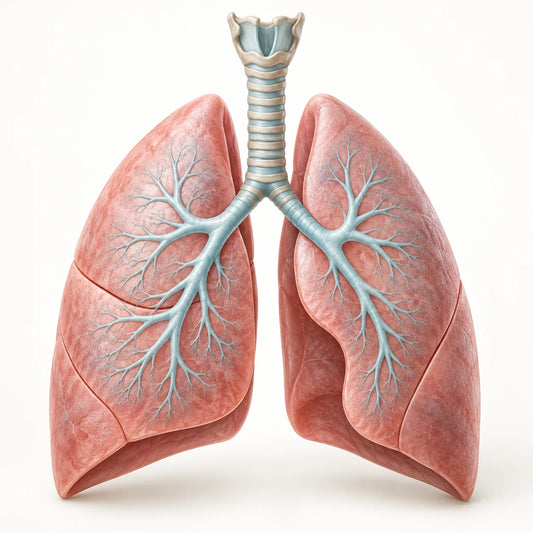
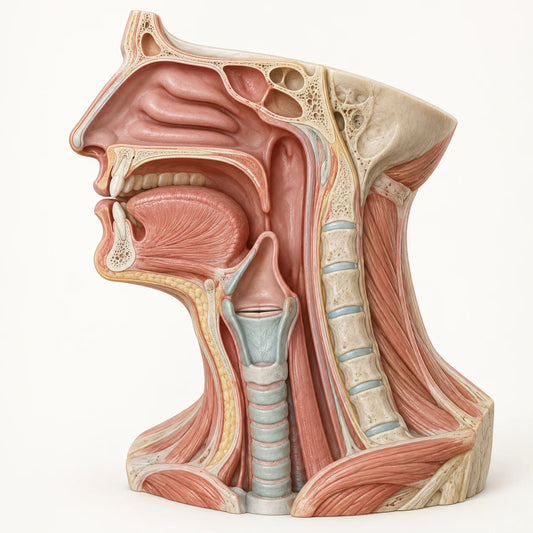
AI-generated images on this page are illustrative and do not depict named clinicians, partner hospitals or treatment outcomes.