


















































Explore Your Treatment Options
CRS · HIPEC · Individualized Assessment
Professor Hui Wang | Guangzhou, China
Understand the factors that guide specialist assessment, treatment possibilities and potential risks.
When Peritoneal Metastasis Makes Treatment Decisions More Complex
Peritoneal metastasis can create uncertainty about diagnosis, treatment selection, surgical eligibility and quality of life. Understanding these challenges is an important first step toward informed decision-making.
Difficult-to-Detect Disease
Small peritoneal deposits may be difficult to identify on routine imaging, making further clinical assessment important.
Limited Surgical Eligibility
Not every patient is suitable for major surgery. Disease distribution and overall health play essential roles in treatment planning.
Decisions After Chemotherapy
When treatment response is uncertain, patients may need a review of current findings and available next steps.
Risk of Bowel Obstruction
Peritoneal disease can affect bowel function and may lead to symptoms that require urgent medical evaluation.
Treatment-Related Risks
Complex surgery and systemic treatments may involve significant risks, recovery needs and difficult trade-offs.
Seeking Another Medical Perspective
A specialist second opinion can help patients better understand recommendations and prepare informed questions for their treating team.
Meet Professor Hui Wang
Professor Hui Wang is a Chief Physician and Doctoral Supervisor at The Sixth Affiliated Hospital of Sun Yat-sen University in Guangzhou, China. He serves as Director of the Third Division of Colorectal Surgery.
His work focuses on colorectal surgery, particularly the diagnosis, clinical management and research of colorectal peritoneal metastasis.
His team has contributed to research on cytoreductive surgery, HIPEC-related treatment strategies, peritoneal cell-free DNA, artificial intelligence-assisted detection and innovative biomaterials.
Clinical and Academic Focus
The HIPEC training scene is based on Professor Hui Wang’s portrait and is not a photograph of an actual training session.
Colorectal Surgery Expertise
A clinical and research background in colorectal disease and complex surgical management.
Peritoneal Tumor Specialization
Professional work focused on improving understanding and management of peritoneal metastasis.
Standardized Clinical Education
Participation in training activities related to standardized HIPEC practice and peritoneal tumor care.
Multidisciplinary Research Collaboration
Research involving oncology, pathology, molecular diagnostics, imaging and medical biomaterials.
Explore Key Clinical Evaluation Pathways
Treatment decisions for peritoneal metastasis require careful consideration of the underlying cancer, extent of disease, previous treatment and overall health.
Peritoneal Disease Assessment
Understanding the distribution and extent of peritoneal disease helps inform further evaluation and treatment discussions.
Cytoreductive Surgery (CRS)
CRS aims to remove visible tumor deposits in appropriately selected patients when meaningful cytoreduction is considered feasible.
HIPEC Evaluation
Explore the role, limitations and evidence surrounding heated intraperitoneal chemotherapy in specific clinical circumstances.
Systemic Treatment Review
Review the relationship between previous anticancer treatment, current disease status and potential future options.
Molecular and Prognostic Assessment
Understand how tumor biology, molecular findings and other clinical factors may contribute to individualized discussions.
Symptom and Supportive Care
Address complications, nutrition, bowel function and quality-of-life needs as part of comprehensive care.
Six Factors to Discuss With Your Medical Team
Primary Cancer Type
The origin, pathology and biology of the cancer influence treatment recommendations.
Extent of Peritoneal Disease
The distribution and burden of peritoneal metastases are important considerations.
Disease Outside the Peritoneum
Additional metastatic sites may influence the overall treatment strategy.
Previous Treatments
Past surgery, chemotherapy and other therapies help guide discussions about future options.
General Health and Fitness
Performance status, organ function, nutrition and other medical conditions influence treatment risks.
Expected Benefits and Risks
Potential outcomes, complications, quality of life and patient preferences should be considered together.
CRS and HIPEC: Understanding the Differences
CRS and HIPEC are not suitable for every patient. Their use should be discussed with an experienced multidisciplinary team.
What Is Cytoreductive Surgery?
Cytoreductive surgery (CRS) is a complex surgical approach intended to remove visible tumor deposits from the abdominal cavity when appropriate. The possibility of complete or near-complete removal, disease distribution, surgical risks and the patient’s overall condition are central considerations.
What Is HIPEC?
Hyperthermic intraperitoneal chemotherapy (HIPEC) involves circulating heated chemotherapy solution within the abdominal cavity during a specialized procedure. Its potential role depends on the underlying disease, treatment protocol and available clinical evidence.
Questions Before Considering CRS or HIPEC
Patient Selection
Why specialized evaluation is essential before considering major abdominal surgery.
Surgical Complexity
Understanding the extent of surgery and potential impact on abdominal organs.
Complications and Recovery
Considering postoperative complications, hospital recovery and longer-term support.
Evidence and Alternatives
Reviewing HIPEC evidence, systemic treatment options and other approaches based on individual circumstances.
Advancing Research in Peritoneal Metastasis
Professor Hui Wang and his research collaborators have contributed to studies exploring earlier detection, individualized prognosis, treatment strategies and biomaterials relevant to colorectal cancer and peritoneal disease.
Investigational technologies are not necessarily approved, clinically validated or available as routine patient services.
Peritoneal Cell-Free DNA Research
Research has investigated peritoneal cell-free DNA as a potential biomarker for detecting colorectal peritoneal metastasis.
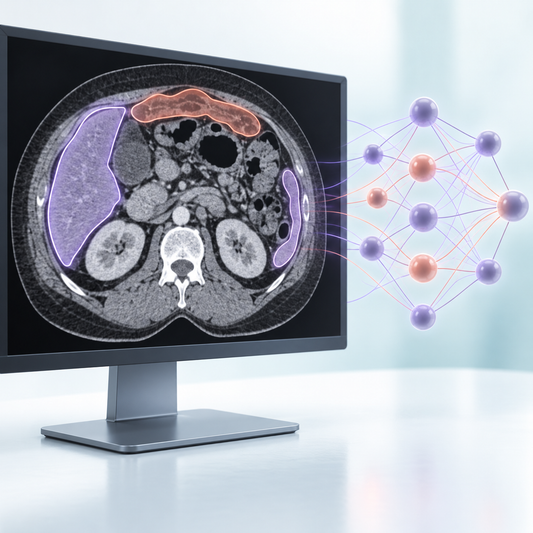
AI-Assisted Disease Detection
Published work has explored image-based deep learning methods for identifying synchronous peritoneal disease in colorectal cancer.
Prognostic and Molecular Research
Research into molecular and clinical characteristics may help improve understanding of prognosis and disease behavior.
Innovative Biomaterials
Experimental biomaterials research has explored new approaches relevant to localized antitumor strategies and surgical applications.
When Might a Specialist Second Opinion Be Helpful?
Patients and families may consider an additional medical opinion when important questions remain about diagnosis, treatment selection or supportive care.
Severe abdominal pain, persistent vomiting, inability to pass stool or gas, or other potentially urgent symptoms require prompt local medical attention.
Newly Diagnosed Peritoneal Metastasis
You have recently received a diagnosis and want to better understand the available treatment approaches.
Uncertain Surgical Eligibility
You have been told surgery may not be appropriate and would like clarification of the clinical reasoning.
Disease After Previous Treatment
Your disease has progressed or recurred following treatment, and you have questions about the next steps.
Unclear Imaging Findings
Your clinical findings suggest possible peritoneal disease, but imaging or other test results remain uncertain.
Complex Symptoms or Complications
You are experiencing bowel-related symptoms, nutritional difficulties or other challenges that require coordinated clinical management.
Seeking Another Specialist Perspective
You wish to understand the potential benefits and risks of different treatment strategies before making an informed decision.
Clinical and Academic Background in Guangzhou, China
The Sixth Affiliated Hospital of Sun Yat-sen University
Professor Hui Wang serves as Director of the Third Division of Colorectal Surgery at The Sixth Affiliated Hospital of Sun Yat-sen University. His clinical and academic work includes specialized activities related to peritoneal tumors, colorectal cancer research and professional education.
Selected Research Publications
Eight selected publications spanning detection, treatment evaluation, prognosis, tumor biology and biomaterials. Swipe to explore on mobile.
Images are AI-generated research illustrations, not original study figures. Experimental findings do not establish routine clinical availability or individual treatment outcomes.
How International Patients Can Begin an Assessment Inquiry
A structured inquiry can help clarify what information is needed before any specialist consultation or travel decision.
Consultation availability, the receiving provider, required records and fees must be confirmed before making travel plans.
Four Steps Toward an Informed Discussion
Prepare your case, confirm consultation details, discuss the assessment and explore any recommended next steps.
1. Share Your Case & Records
Share a brief summary of your diagnosis, previous treatment and questions. Prepare pathology reports, diagnostic imaging, operative notes and recent treatment summaries for review through a confirmed secure process.
2. Confirm Consultation Details
Where available, confirm specialist consultation arrangements, required records and applicable fees before proceeding.
3. Discuss the Medical Assessment
A qualified medical professional may review your information and explain clinical considerations and possible next steps.
4. Explore Further Coordination
If in-person care in China is recommended and accepted, explore hospital arrangements and practical coordination.
INTERNATIONAL PATIENT INQUIRY
Tell Us About Your Medical Case
Contact medChina to explore a specialist assessment pathway for peritoneal metastasis.
Briefly share your diagnosis, confirmed or suspected peritoneal metastasis, previous treatment and questions.
- ✓ You may upload relevant medical records as PDF or images, each under 20 MB. Share only records you are authorized to provide.
- ✓ Consultation availability, arrangements and fees are confirmed separately.
- ✓ Treatment requires individual assessment. Published research does not establish routine availability.
Please review our privacy policy before submitting. An inquiry does not establish a doctor-patient relationship or guarantee consultation, treatment or admission.
Frequently Asked Questions About Peritoneal Metastasis
Clear answers to common questions before a specialist discussion.
What is peritoneal metastasis?
Peritoneal metastasis occurs when cancer cells spread to the lining of the abdominal cavity. It can arise from colorectal cancer and other malignancies. Treatment depends on the primary cancer, disease extent and individual clinical circumstances.
Can colorectal peritoneal metastasis be treated?
Yes. Treatment options may include systemic anticancer therapies, selected surgical interventions and supportive care. The most appropriate approach depends on the patient's specific medical situation.
What is cytoreductive surgery (CRS)?
CRS is a complex operation intended to remove visible tumor deposits from the abdominal cavity. It is considered only when surgical benefits and risks are appropriate for the individual patient.
What is HIPEC?
HIPEC is a specialized procedure in which heated chemotherapy solution is circulated within the abdominal cavity. Its role varies by cancer type, treatment regimen and clinical evidence.
Is HIPEC suitable for every patient?
No. HIPEC is not universally recommended for peritoneal metastasis. Its potential use requires careful specialist assessment, including consideration of the underlying cancer and available evidence.
Can peritoneal metastasis be missed on CT imaging?
Yes. Some small peritoneal lesions may be difficult to detect with routine imaging. Further assessment may be necessary when clinical suspicion remains.
What medical records are helpful for a second opinion?
Useful documents commonly include pathology reports, recent imaging, previous treatment records, operative notes and molecular test results when available.
Can international patients seek a specialist opinion in China?
An international patient may inquire about specialist consultation, but actual availability, required documents, fees and eligibility must be confirmed with the relevant healthcare provider.


