



Orthopedic & Spine Treatment in China: Options, Costs & Recovery

INTERNATIONAL PATIENT GUIDE

Find a clear starting point for spine, joint and sports injury care in China.

Explore treatment choices, the questions to ask a specialist, and how to plan costs and recovery. The right next step may be rehabilitation, a further assessment or a procedure—not everyone needs surgery.

medChina provides information and coordination. Qualified clinicians and hospitals make medical decisions and provide treatment.

Start a Free Initial Enquiry

Find Your Starting Point

Choose the area or situation closest to yours. These are navigation categories, not diagnoses. A clinical examination and relevant records determine the next step.

Lower Back & Leg Symptoms

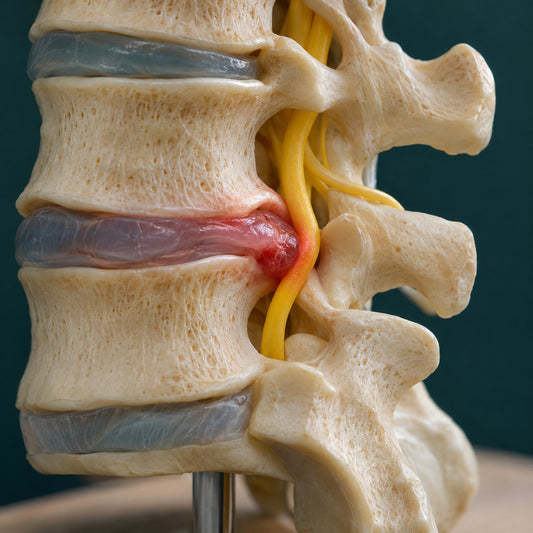
Disc problems, sciatica and lumbar stenosis may be discussed when back or leg symptoms limit daily life. Symptoms and examination must agree with imaging.

Neck, Arm & Spinal Cord Symptoms

Neck and arm pain, numbness, hand clumsiness or walking changes need different assessments. New or worsening weakness needs prompt local medical attention.

Hip & Knee Joint Problems

Arthritis, osteonecrosis and hip dysplasia can lead to different treatment paths. Joint damage, function and your goals guide the discussion.

Sports & Shoulder Injuries

Ligament, meniscus, cartilage and rotator cuff injuries may need rehabilitation, repair or reconstruction, depending on the injury.

Spinal Curves & Alignment

Scoliosis, kyphosis and vertebral slippage need assessment of symptoms, progression, stability and balance.

Previous Surgery & Complex Problems

Persistent pain, suspected implant problems, fracture complications and bone or spinal tumours need focused specialist reassessment.

When to Seek Local Care

Seek immediate local emergency care for new loss of bladder or bowel control, numbness around the saddle area, rapidly worsening limb weakness or other severe acute symptoms. Do not wait for an online reply.

Foot and ankle, hand and paediatric conditions require the relevant subspecialty. Explain your condition and age group when enquiring; suitability and provider availability are confirmed individually.

Understand the Treatment Pathways

These pathways answer different needs. They are not a ladder that every patient must follow.

AI-generated illustration for assessment icon; people and clinical settings are fictional.

Non-Surgical Care

Exercise and physical therapy, medicines, selected pain procedures, activity changes and mobility aids may help. Bone health and fall prevention also matter. Appropriate local care may make travel unnecessary.

AI-generated illustration for pathway icon; people and clinical settings are fictional.

Joint-Preserving Surgery

Selected patients may be assessed for hip core decompression or knee realignment surgery. Disease stage, cartilage, alignment and bone quality matter. Preservation does not guarantee that future replacement will be avoided.

AI-generated illustration for evidence icon; people and clinical settings are fictional.

Replacement, Repair or Reconstruction

A procedure needs a defined target and a realistic benefit. Ask what it aims to improve, which alternatives remain, and what rehabilitation will require.

Spine Treatment Options

Start with the treatment target: nerve compression, instability, deformity or fracture. The approach should serve that target; smaller incisions or newer equipment do not automatically mean better outcomes.

Disc Surgery & Lumbar Decompression

Microdiscectomy removes disc material pressing on a nerve. Decompression creates space around compressed nerves. Ask which symptoms the procedure is expected to improve and whether instability changes the plan.

Endoscopic Spine Surgery & UBE

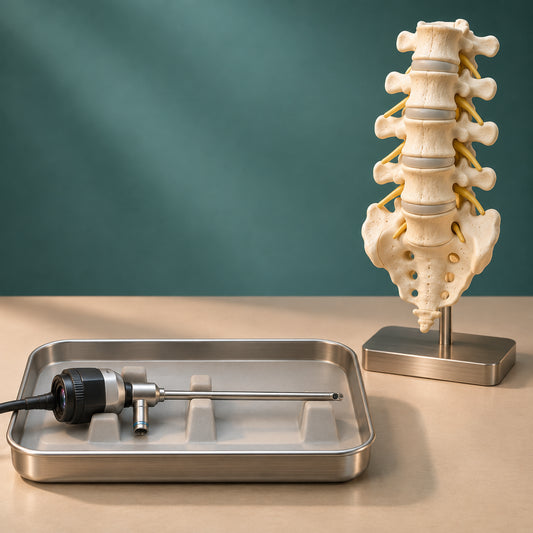
Endoscopic techniques use a camera for selected decompression procedures; UBE uses separate viewing and working portals. Location, extent of compression, stability and team experience matter. Smaller incisions do not guarantee better results.

Lumbar Fusion & Surgical Approaches

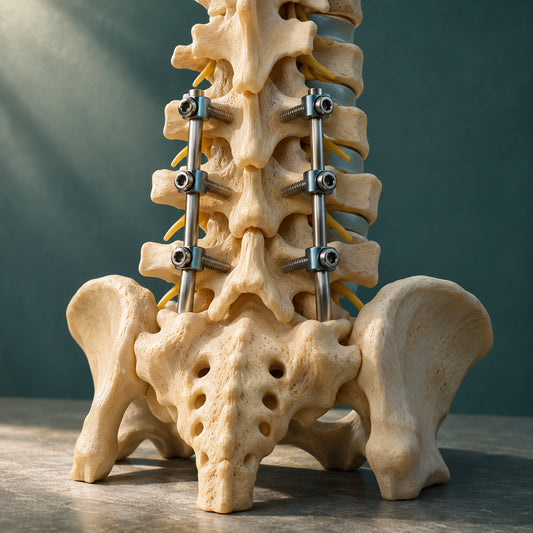
Fusion aims to join selected vertebrae when there is a clear indication. TLIF, PLIF, ALIF and lateral approaches describe different routes. Anatomy, prior surgery, bone quality and approach-specific risks guide selection.

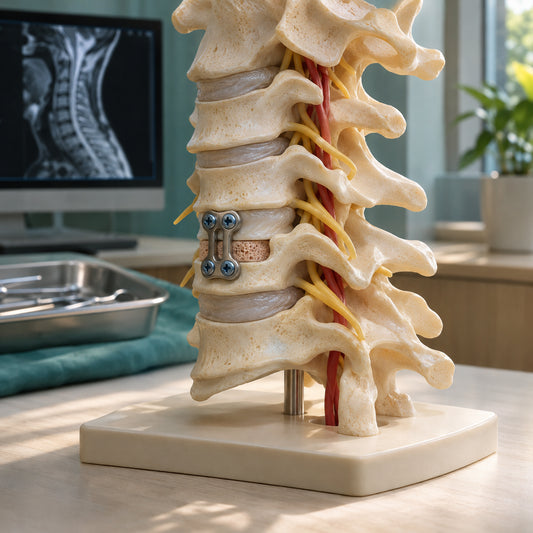
Cervical Decompression & Fusion

ACDF is an anterior decompression and fusion procedure. Posterior foraminotomy, laminoplasty or decompression with fixation address different patterns. Alignment, stability and the site of nerve or cord compression matter.

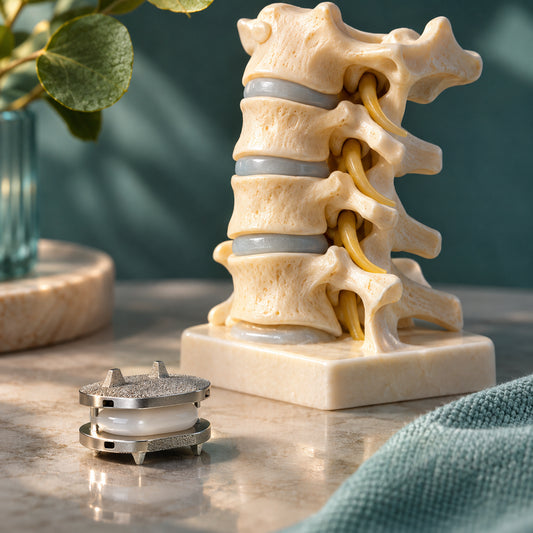
Cervical Artificial Disc Replacement

An artificial disc aims to preserve motion at selected levels. Bone quality, facet joints, stability, alignment and the number of involved levels influence suitability; it is not appropriate for every neck problem.

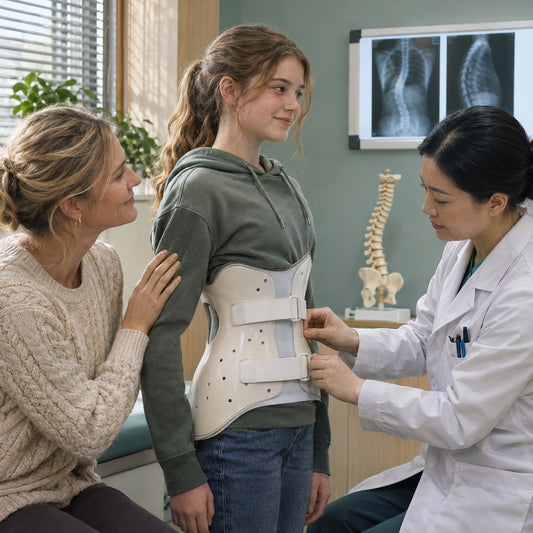
Adolescent Scoliosis

Observation, bracing or surgery may be considered according to growth, curve progression and balance. A Cobb angle alone does not determine the plan. Paediatric assessment and family discussion are important.

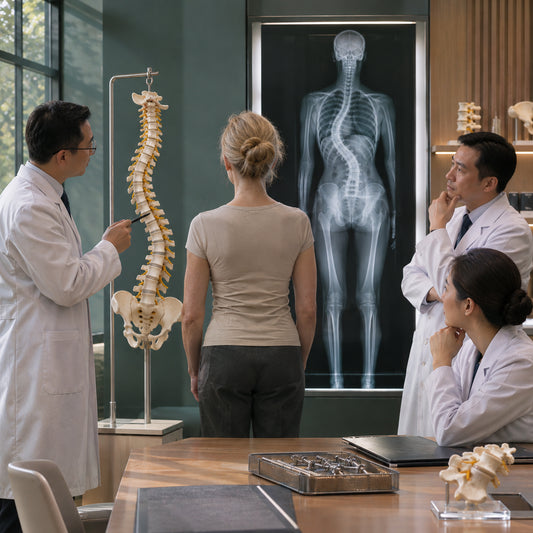
Adult Deformity & Complex Correction

Treatment may address pain, balance and nerve compression. Long fusions or osteotomies require careful assessment of bone health, frailty and expected benefit because recovery and complication risks can be substantial.

Vertebral Compression Fractures

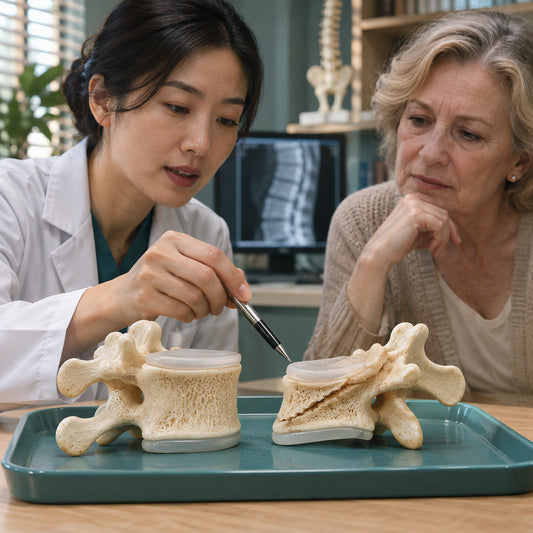
Care may include pain management, support and osteoporosis treatment. Vertebroplasty or kyphoplasty is considered selectively; timing, fracture features and the source of pain need assessment. Cement is not a treatment for every back pain.

Joint Preservation & Replacement

The joint condition, daily limitations and response to previous care help frame the choice. For hip preservation and knee realignment, see the treatment pathways above.

Total Hip Replacement

Replacement may be considered when substantial joint damage causes persistent pain and disability despite appropriate care. Discuss implant choice, surgical approach, dislocation and infection risks, and rehabilitation.

Partial & Total Knee Replacement

Partial replacement treats selected compartment-specific disease; total replacement addresses more extensive damage. Ligament function, alignment and arthritis distribution influence the choice, along with expectations for pain and movement.

Complex Hip Reconstruction

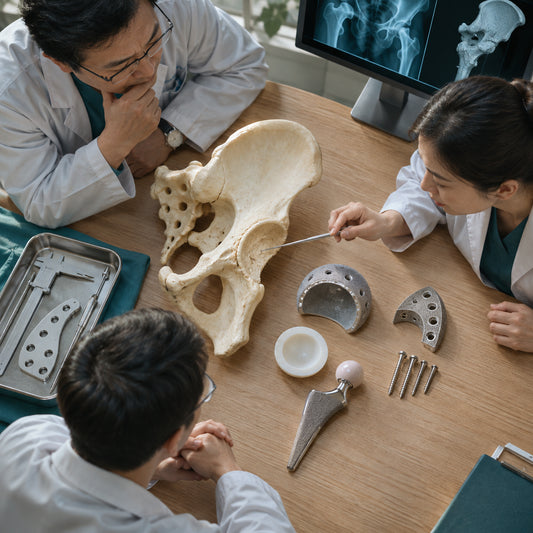
Dysplasia, previous surgery, deformity or bone loss can make reconstruction more demanding. Imaging and implant planning help assess stability, leg length and the possible need for specialised components.

Sports Injuries & Arthroscopic Procedures

Repair, reconstruction and rehabilitation have different roles. Return to sport depends on healing and functional assessment.

Knee Ligament Reconstruction

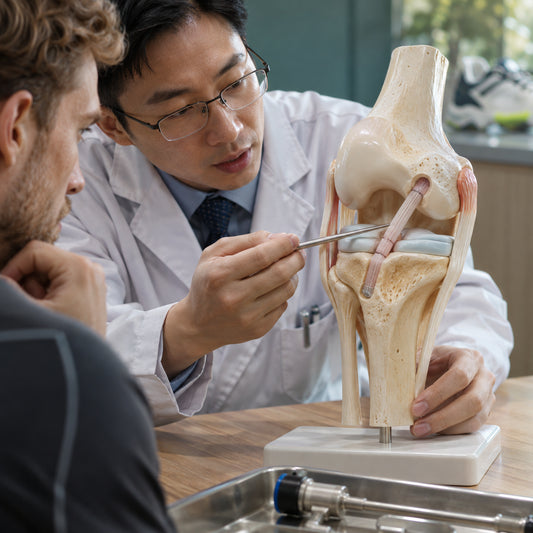
Reconstruction may address symptomatic instability, particularly when activity goals or combined injuries justify it. Graft choice, meniscus injury and rehabilitation affect the plan. Return to sport requires functional assessment.

Meniscus & Cartilage Injuries

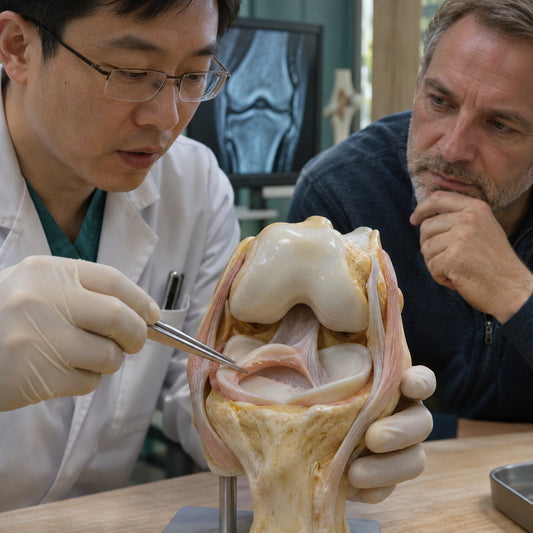
Repair, selected removal or cartilage procedures depend on the location and type of damage. Preserving suitable tissue is an important consideration. Focal cartilage treatment does not reverse widespread arthritis.

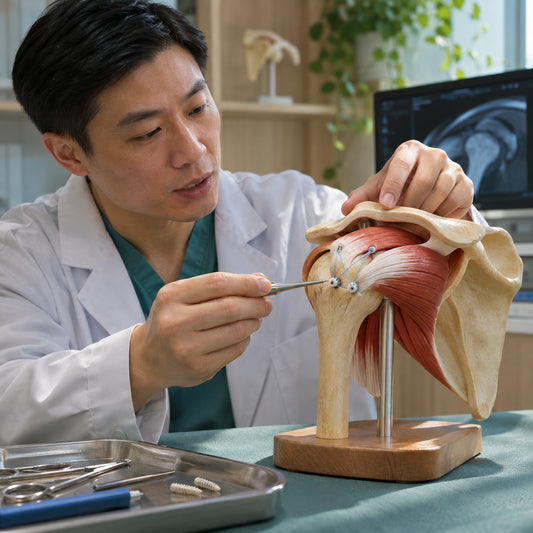
Rotator Cuff Repair & Shoulder Stabilisation

Repair may be considered for selected tendon tears; stabilisation addresses recurrent instability. Tear size, tissue quality, bone loss and previous treatment influence the procedure and rehabilitation restrictions.

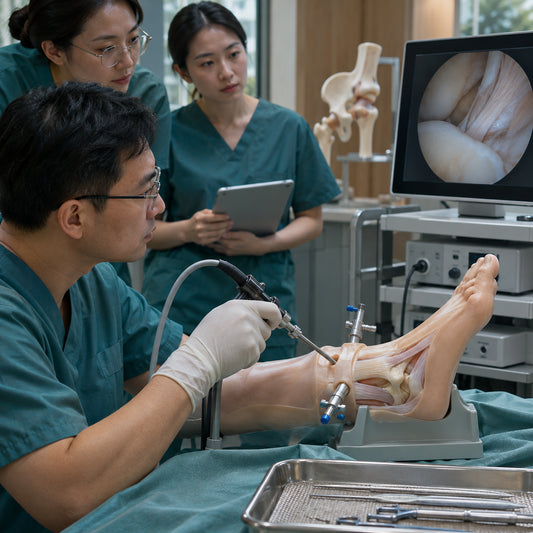
Hip & Ankle Arthroscopy

A camera-based approach can treat selected problems within a joint. Imaging findings must match symptoms, and advanced arthritis or deformity may require another approach. Discuss what arthroscopy can and cannot achieve.

When a Fresh Specialist Assessment Matters

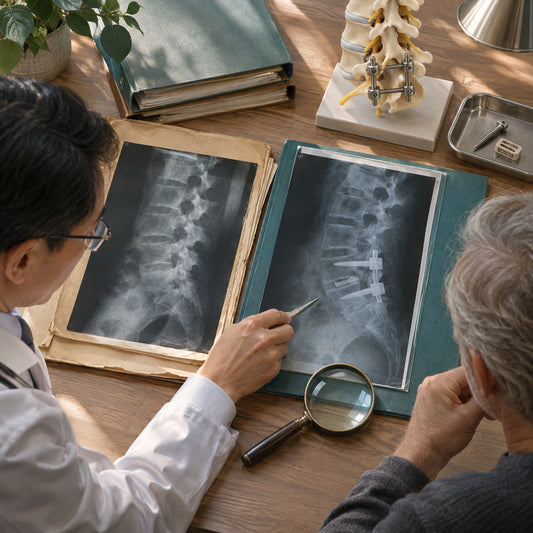
Before another intervention, identify a treatable problem. Bring previous operation notes, implant information and earlier and recent imaging when relevant.

Persistent Symptoms After Spine Surgery

A review may consider healing, residual or new compression, alignment and non-spinal pain. Further surgery is not always beneficial. Bring operation reports, a symptom timeline and prior and recent images.

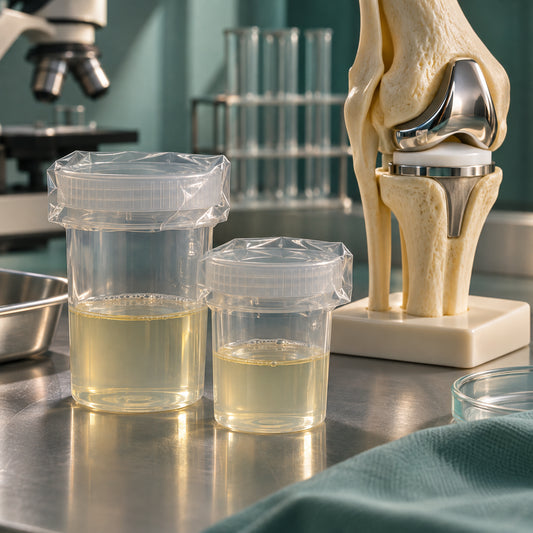
Joint Revision & Suspected Infection

Pain after replacement requires a cause-specific assessment. Infection, loosening and instability need different pathways. Blood tests, aspiration, cultures and implant records may be requested before planning revision.

Nonunion, Malunion & Bone Loss

A fracture that fails to heal or heals in poor alignment may need assessment of stability, infection, blood supply and bone defects. Options can include revised fixation, grafting or staged reconstruction.

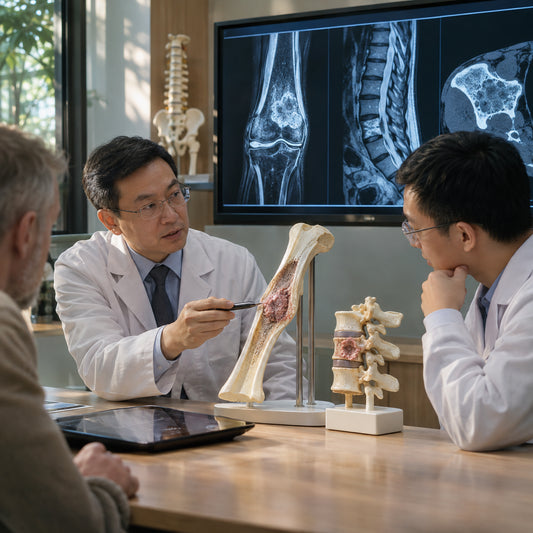
Bone & Spinal Tumours

Biopsy planning should be coordinated with the treating specialist team. Depending on diagnosis and extent, care may combine oncology treatment, stabilisation, decompression or reconstruction. Not every lesion needs the same operation.

What Can Technology Add to Your Care?

Ask what each tool changes for your diagnosis and whether the expected benefit justifies its risks and cost. Availability must be confirmed with the actual treating centre.

Robotics & Navigation

These systems can support planning and instrument or implant positioning, including selected joint replacements. The surgeon remains responsible for decisions. Ask what they add for your anatomy and how they affect cost.

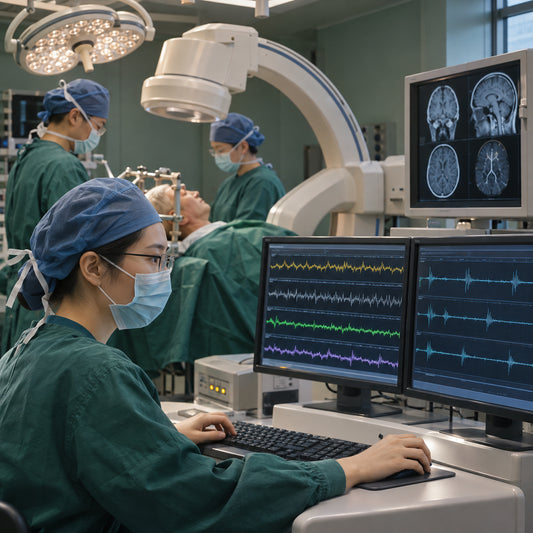
Neuromonitoring & Intraoperative Imaging

These may help teams monitor nerve function or check anatomy during selected operations. They do not eliminate neurological injury or other complications and are not required in every procedure.

3D Printing & Personalised Reconstruction

Printed models or patient-specific components may support complex planning or reconstruction. The exact application, regulatory status, production time and alternatives must be confirmed for the treating centre.

PRP, Cell Therapies & Investigational Treatments

Evidence depends on the product, indication and procedure. Do not assume an injection regenerates cartilage or replaces established treatment. Ask whether it is routine care or research, and request evidence, local regulatory status and realistic risks.

How to Assess a Proposed Provider

An equipment list or a hospital name does not confirm the suitability of a treatment plan.

AI-generated illustration for assessment icon; people and clinical settings are fictional.

Relevant Experience

Verify current credentials and hospital affiliation. Ask about experience with your diagnosis, case selection and how outcomes and complications are assessed.

AI-generated illustration for pathway icon; people and clinical settings are fictional.

Support for Your Risk Profile

Confirm appropriate anaesthesia, medical optimisation, critical care and rehabilitation support at the treating institution.

AI-generated illustration for evidence icon; people and clinical settings are fictional.

Records & Responsibility

Confirm the implant details, records you will receive and who handles complications. Agree the handover and follow-up plan before departure.

What Will You Pay For?

There is no single price for orthopedic or spine treatment. Obtain an itemised, dated estimate in a stated currency, with its validity period, inclusions and exclusions. No unverified prices or universal savings claims are presented here.

AI-generated illustration for assessment icon; people and clinical settings are fictional.

Initial Enquiry — Free

Your first enquiry is free. It helps us understand your general needs and explain the process. It is not a medical diagnosis, a doctor's consultation or a confirmed treatment booking.

AI-generated illustration for pathway icon; people and clinical settings are fictional.

Record Preparation & Matching — Paid

If you proceed to record preparation and specialist matching, a service fee applies. Scope, fees, deliverables and cancellation terms should be agreed before payment. A match or treatment acceptance is not guaranteed.

AI-generated illustration for evidence icon; people and clinical settings are fictional.

Doctor Video Consultation — Separate Fee

A doctor video consultation is charged separately and depends on availability. Confirm the clinician, language support, duration, records required and what documentation is included before booking.

Understanding the Total Treatment Budget

Hospital medical charges are separate from coordination services. An estimate is not a final bill.

What changes the medical estimate?

What should I budget for beyond the procedure?

How should I compare quotations and insurance?

Recovery: Plan Beyond the Hospital Stay

Pain relief, walking, strength and independence can recover at different rates. Existing nerve damage and other health conditions may limit improvement.

AI-generated illustration for assessment icon; people and clinical settings are fictional.

Before Treatment

Potential risks can include infection, blood clots, nerve injury, anaesthetic complications and procedure-specific problems. Ask how your health, medicines, smoking and previous treatment affect those risks and their management.

AI-generated illustration for pathway icon; people and clinical settings are fictional.

Before Discharge

Leaving hospital does not mean full recovery. Before discharge, clarify wound care, medicines, mobility aids, stairs, bathing and any restrictions, including whether a companion is needed.

AI-generated illustration for evidence icon; people and clinical settings are fictional.

Back at Home

Arrange local follow-up and obtain a discharge summary, implant details and rehabilitation instructions. Clarify the role and cost of remote review. For severe or rapidly worsening symptoms, seek local urgent care rather than waiting online.

Work, Sport & Travel

Request instructions tailored to the actual procedure; no universal timetable fits everyone.

Returning to work, driving and sport

Flying and the length of your stay

From Enquiry to Confirmed Arrangements

Each stage has a separate purpose. Continue necessary care locally while exploring your options.

AI-generated illustration for assessment icon; people and clinical settings are fictional.

1 · Explain Your Question

Start with a general concern and contact preference. You do not need a complete set of records to make an enquiry.

AI-generated illustration for pathway icon; people and clinical settings are fictional.

2 · Agree the Service

Review the service scope, deliverables and written terms before proceeding to paid coordination. See the fee breakdown above.

AI-generated illustration for evidence icon; people and clinical settings are fictional.

3 · Obtain Clinical Assessment

Prepare requested records through the agreed channel. Confirm provider acceptance and consultation arrangements; an examination may still be needed.

AI-generated illustration for coordination icon; people and clinical settings are fictional.

4 · Confirm Care Before Travel

Agree what remains provisional, the proposed assessment, medical budget and practical arrangements. An enquiry does not confirm admission or surgery.

AI-generated illustration for assessment icon; people and clinical settings are fictional.

5 · Make an Informed Decision

The treating team reviews findings and alternatives. An in-person assessment can change the plan, including whether surgery is appropriate.

AI-generated illustration for pathway icon; people and clinical settings are fictional.

6 · Arrange the Handover

Obtain treatment records, rehabilitation instructions and contact routes. Confirm which follow-up takes place locally and which can be remote.

Prepare for an International Assessment

Start with records you already have; the receiving clinician determines what is required.

Records and previous treatment

Language support and a companion

Travel and accessible accommodation

Questions Before You Decide

Additional answers about assessment, changing plans and your information.

Can I enquire without a confirmed diagnosis?

Can older patients or people with other medical conditions be treated?

What if I have received conflicting recommendations?

What happens if no match is found or I cancel?

What if surgery is not recommended after I arrive?

Who will receive my medical records?

Start with Your Main Question

Your initial enquiry is free. Paid matching and doctor consultation are explained in the fee section above. Sending this form does not book treatment or commit you to a paid service.

Start a Free Initial Enquiry

Share a brief question and your preferred contact details. Please do not send detailed medical records or identification documents in this form.

About This Guide

medChina.global provides education and care coordination. Diagnosis and treatment belong to qualified clinicians and healthcare institutions. Provider availability and treatment eligibility require individual confirmation.

Illustrative AI images do not depict actual clinicians, patients, hospital facilities or treatment outcomes. Content prepared by medChina; updated 14 November 2026. This is general information, not an individual medical opinion.

Further reading: AAOS: spine surgery; AAOS: spinal fusion; AAOS: joint replacement; NICE: low back pain; Scoliosis Research Society; CDC: medical care abroad.

Please do not send detailed medical records or identity documents through the initial enquiry form. Confirm the receiving process separately. Privacy Policy · Refund & Cancellation Policy.