Professor Fengxi Su – Breast Surgical Oncology Expert
Professor Fengxi Su
Professor Fengxi Su is a Professor and Chief Physician in breast surgical oncology in China. His professional work encompasses breast cancer surgery, breast-conserving treatment, oncoplastic techniques and sentinel lymph node management.
With extensive clinical and academic experience, he has contributed to the development of breast cancer care and surgical practice.
Professional Highlights
- Professor & Chief Physician
- Breast Surgical Oncology
- Breast-Conserving Surgery
- Published Breast Cancer Research
Breast Cancer Treatment Is About More Than Removing a Tumour
Every breast cancer diagnosis brings important decisions about surgery, lymph nodes, reconstruction and future treatment.
Understanding the available options requires careful assessment of each patient's condition.
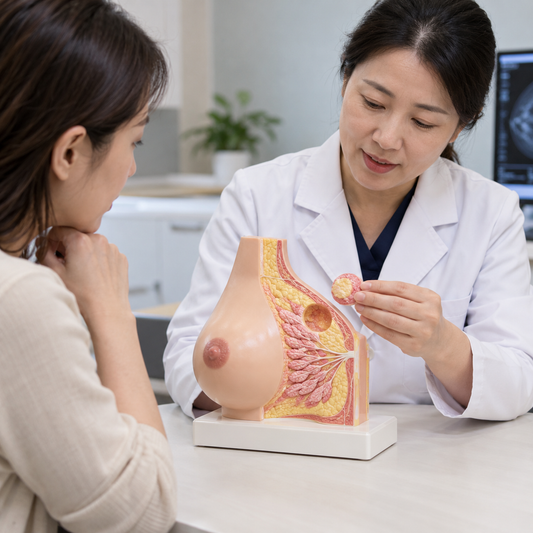
Can I Preserve My Breast?
Understand whether breast-conserving surgery may be an appropriate option.
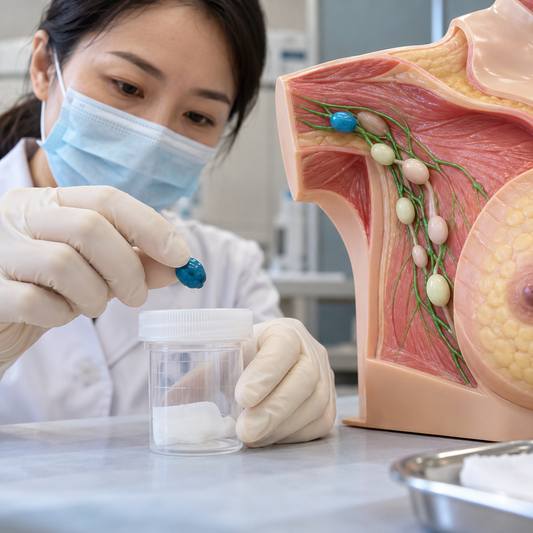
Do I Need Lymph Node Removal?
Learn how sentinel lymph node assessment helps guide surgical decisions.
What If My Case Is Complex?
Explore specialist assessment for recurrent, advanced or previously treated breast cancer.
Am I Making the Right Decision?
Seek another professional perspective before making important treatment decisions.
Specialised Expertise in Breast Surgical Oncology
Professor Su's professional background and research cover several important areas of breast cancer surgery and clinical management.
Breast-Conserving Surgery
Removing cancer while preserving breast tissue when medically appropriate.
Oncoplastic Breast Surgery
Combining cancer surgery with breast reshaping considerations.
Sentinel Lymph Node Biopsy
Assessing the first draining lymph nodes to guide treatment decisions.
Axillary Management
Evaluating lymph node involvement and appropriate surgical approaches.
Breast Cancer Surgery
Considering surgical options according to individual tumour characteristics.
Breast Cancer Research
Exploring tumour biology, treatment resistance and clinical outcomes.
Precision Breast-Conserving Surgery
Removing Cancer While Preserving the Breast When Medically Appropriate
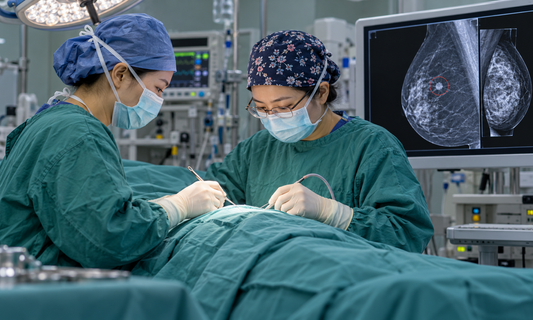
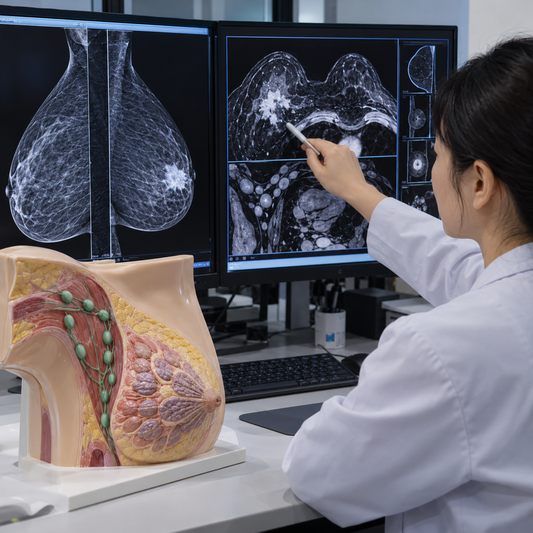
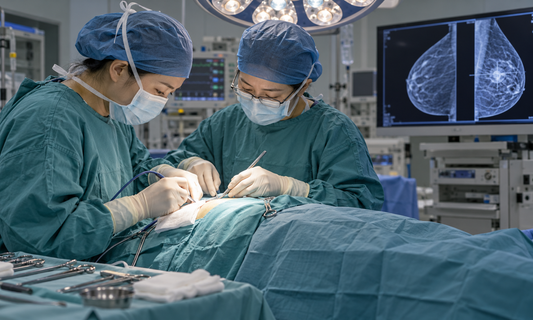
Breast-conserving surgery, also known as lumpectomy or partial mastectomy, removes the cancerous area with an appropriate margin while preserving the remaining breast.
Three Important Considerations
Who May Be Suitable?
Selected patients with early-stage breast cancer may be candidates, depending on tumour characteristics, surgical feasibility and postoperative treatment requirements.
Important: Breast-conserving surgery is not suitable for every patient. Oncological safety must always come first.
01. Tumour Assessment
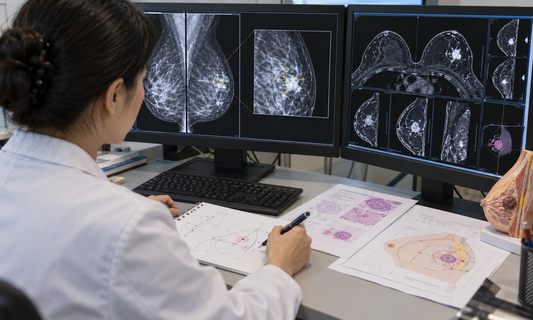
Tumour size, location, extent and breast anatomy are evaluated.
02. Surgical Planning
The surgical approach considers cancer removal and breast preservation.
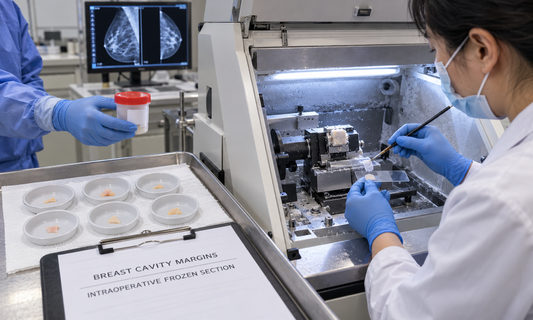
03. Margin Assessment
Pathological examination helps determine whether surgical margins are appropriate.
Oncoplastic Breast Surgery & Reconstruction
Considering Cancer Removal and Breast Shape Together
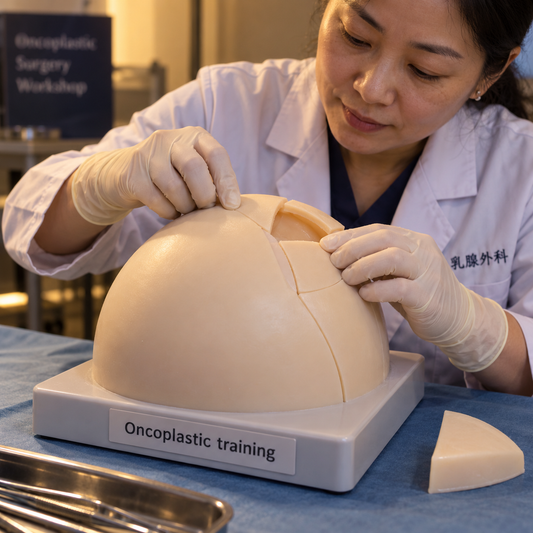
Breast cancer surgery can affect breast shape, symmetry and body image. Oncoplastic techniques combine cancer surgery with approaches that address breast appearance and reconstruction.
Important: Reconstruction is not suitable or necessary for every patient.
Oncoplastic Breast Conservation
Combining tumour removal with selected breast reshaping techniques.
Breast Reshaping
Considering tissue volume, tumour location and breast contour.
Breast Reconstruction
Exploring reconstructive options following mastectomy when appropriate.
Individualised Surgical Planning
Balancing cancer treatment requirements with individual patient preferences.
Sentinel Lymph Node Biopsy & Axillary Management
Understanding Lymph Node Assessment in Breast Cancer
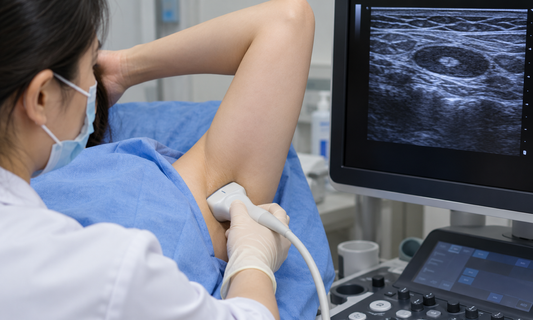
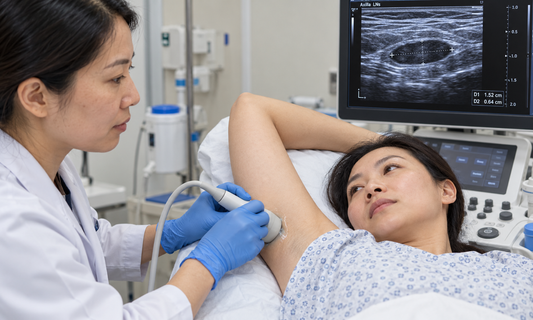
Assessing axillary lymph nodes is an important part of breast cancer staging and treatment planning.
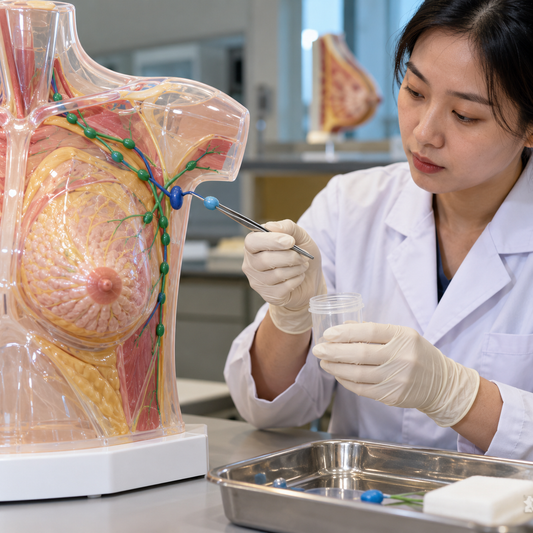
Sentinel Lymph Node Biopsy
Identifying and examining the first lymph nodes that drain the breast.
Appropriate Axillary Surgery
Determining whether further lymph node surgery is necessary according to individual clinical findings.
Functional Considerations
Considering potential complications such as lymphoedema, numbness and restricted arm movement.
Questions Patients Often Ask
Does a positive sentinel lymph node always require extensive axillary surgery?
No. Further treatment depends on lymph node findings, tumour characteristics, surgery type and other clinical factors.
Can extensive axillary surgery be avoided?
Some selected patients may not require it. Eligibility must be determined through individual medical assessment.
Can axillary surgery affect arm movement?
Yes. The extent of surgery may influence the risk of pain, numbness, restricted movement and lymphoedema.
Expert Review for Complex Breast Cancer Cases
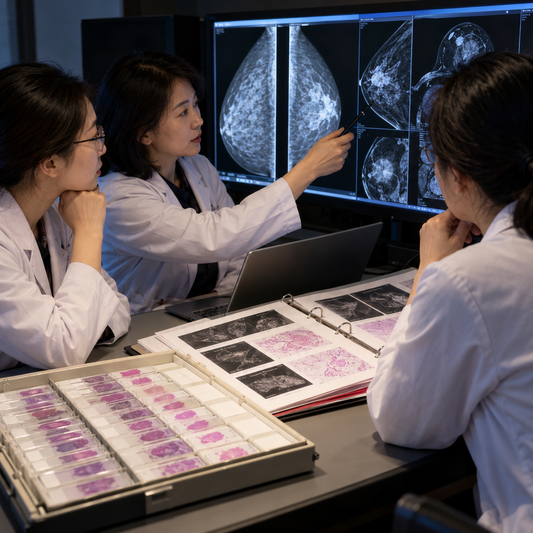
Different breast cancer subtypes, disease stages and previous treatments can lead to different clinical decisions. A specialist review may help clarify surgical considerations and further assessment needs.
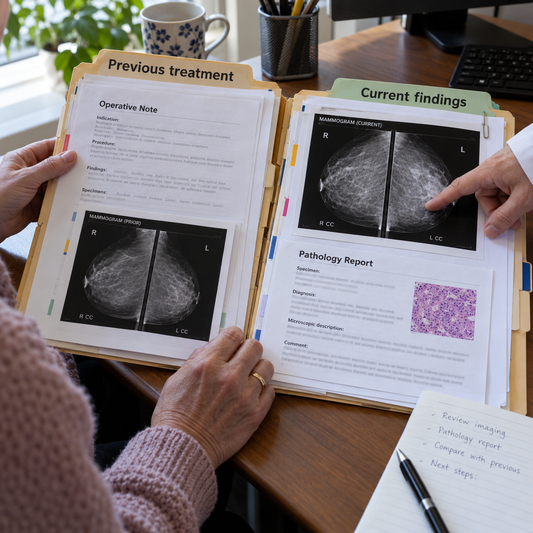
Medical Records to Prepare
- Pathology reports
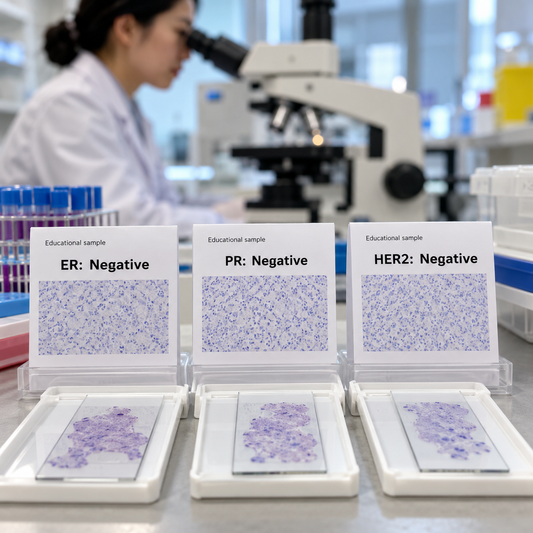
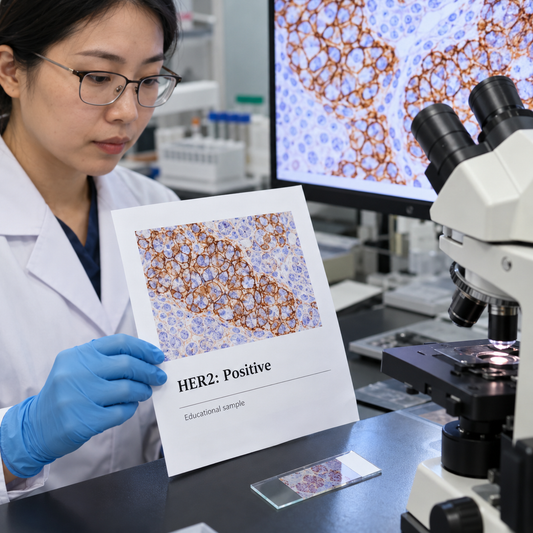
- ER, PR and HER2 results
- Ki-67 results
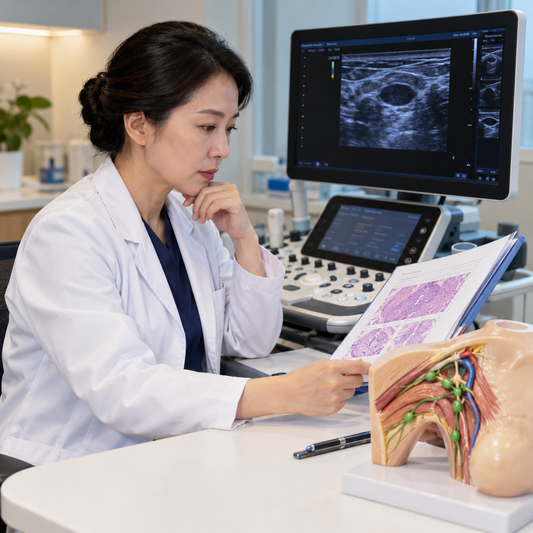
- Breast ultrasound and MRI
- CT or PET-CT, if available
- Previous surgery and treatment records
Newly Diagnosed Breast Cancer
Understanding diagnosis and surgical options.
Triple-Negative Breast Cancer
Reviewing tumour characteristics and treatment history.
HER2-Positive Breast Cancer
Understanding tumour biology and treatment-related considerations.
Locally Advanced Breast Cancer
Assessing disease extent and lymph node involvement.
Recurrent Breast Cancer
Reviewing previous treatment and possible further management.
Uncertain Pathology
Seeking clarification of pathology findings and treatment recommendations.
Academic Contributions to Breast Cancer Research
Professor Su's academic work encompasses breast cancer surgery, lymph node assessment, tumour characteristics and the biological mechanisms associated with breast cancer.
Four Key Research Areas
01. Breast-Conserving Surgery
Research on surgical approaches, margins and clinical outcomes.
02. Sentinel Lymph Node & Axillary Management
Research on lymph node identification, biopsy and surgical assessment.
03. Breast Cancer Treatment & Resistance
Research exploring treatment response and therapeutic resistance.
04. Breast Cancer Biology & Prognostic Research
Research involving tumour microenvironment, molecular markers and prognostic models.
Selected Research Publications
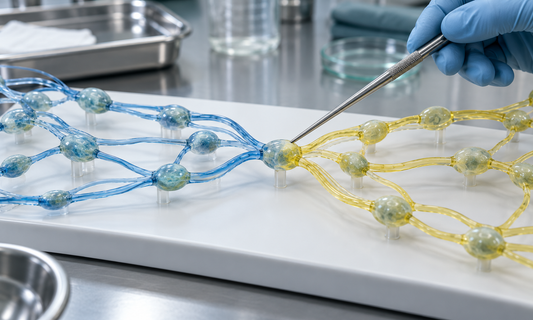
Eight selected publications co-authored by Professor Fengxi Su, spanning breast surgery, clinical studies and laboratory research. Click an image or publication link to view its source. Images illustrate research themes; they are not figures from the papers.
Annals of Surgical Oncology · 2019
Cavity Shaving in Breast Conservation
Circumferential Shaving of the Cavity in Breast-Conserving Surgery: A Randomized Controlled Trial.
Randomized trial · Examined whether routine cavity shaving changes margin positivity during breast-conserving surgery.
Annals of Surgical Oncology · 2012
Assessing Surgical Margins
Clinical outcomes of breast-conserving surgery in patients using a modified method for cavity margin assessment.
Clinical cohort · Followed outcomes after a modified intraoperative cavity-margin assessment method.
Journal of Cancer Research and Clinical Oncology · 2011
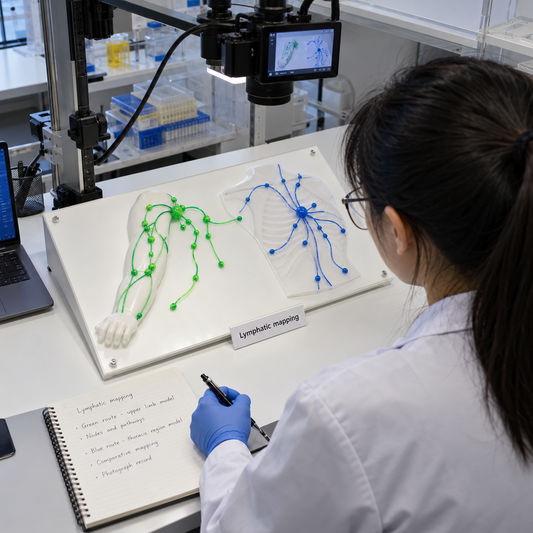
Mapping Arm Lymphatic Drainage
Safety study of axillary reverse mapping in the surgical treatment for breast cancer patients.
Clinical study · Examined overlap between arm and breast lymphatic drainage and its implications for surgical safety.
JAMA Network Open · 2020
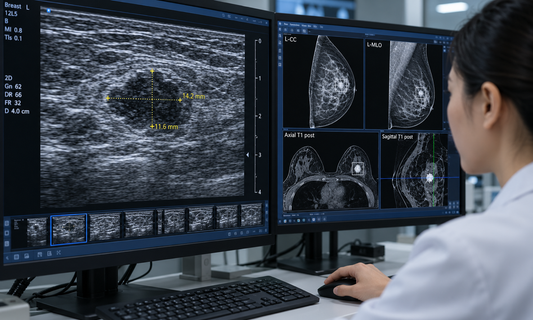
MRI Research for Lymph Node Assessment
Development and Validation of a Preoperative Magnetic Resonance Imaging Radiomics-Based Signature to Predict Axillary Lymph Node Metastasis and Disease-Free Survival in Patients With Early-Stage Breast Cancer.
Multicentre prognostic study · Evaluated MRI-based models for lymph node involvement and disease-free survival.
Journal for ImmunoTherapy of Cancer · 2020
Combination Therapy in Advanced TNBC
Efficacy and safety of camrelizumab combined with apatinib in advanced triple-negative breast cancer: an open-label phase II trial.
Phase II trial · Investigated camrelizumab plus apatinib in advanced triple-negative breast cancer.
Cell · 2018
Tumour Stroma and Drug Resistance
CD10+GPR77+ Cancer-Associated Fibroblasts Promote Cancer Formation and Chemoresistance by Sustaining Cancer Stemness.
Laboratory research · Studied how a fibroblast subset supports cancer stem cells and drug resistance.
Cell · 2007
let-7 and Cancer Stem Cells
let-7 regulates self renewal and tumorigenicity of breast cancer cells.
Laboratory research · Investigated how let-7 regulates tumour-initiating cell self-renewal.
Nature Immunology · 2021
T-Cell Trafficking Research
Targeting regulator of G protein signaling 1 in tumor-specific T cells enhances their trafficking to breast cancer.
Laboratory research · Studied RGS1 and the movement of tumour-specific T cells into tumours.
Every Breast Cancer Case Deserves an Individualised Assessment
Differences in tumour biology, disease stage, lymph node involvement and previous treatment can influence the most appropriate clinical approach.
An Expert Review Can Help You Understand
- Whether breast conservation may be appropriate.
- Whether further lymph node assessment is needed.
- What factors influence surgical decisions.
- Whether additional investigations are recommended.
- What questions to discuss with your treating team.
An expert review does not automatically mean that a different treatment is necessary.
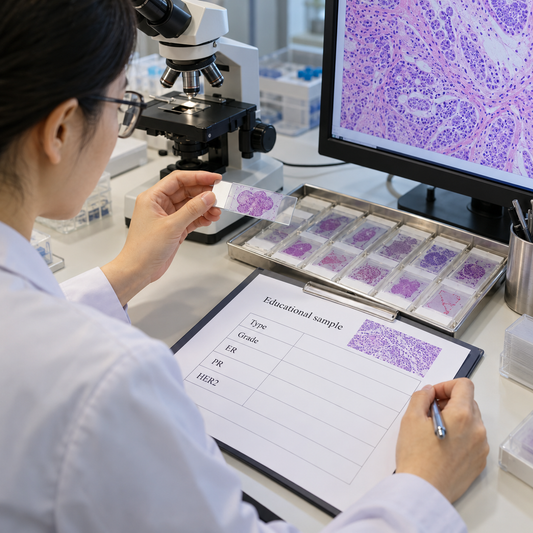
01. Diagnosis & Pathology Review
Review tumour type, grade, ER, PR, HER2 and available biomarkers.
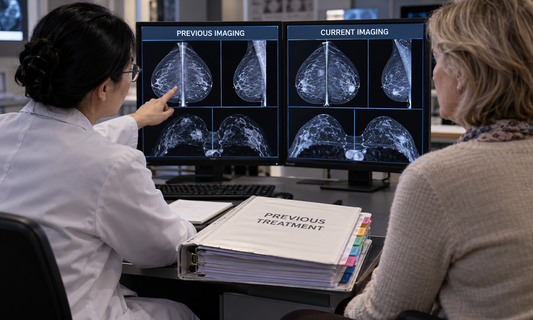
02. Imaging & Disease Assessment
Examine breast imaging, lymph node findings and staging investigations.
03. Previous Treatment Review
Consider surgery, chemotherapy, radiotherapy and other previous treatments.
04. Clinical Options & Recommendations
Discuss surgical considerations and whether further specialist assessment is needed.
Is Professor Su's Expertise Relevant to Your Situation?

An expert review may be valuable when your questions involve breast cancer surgery, breast preservation, lymph node management or complex surgical decisions.
Important: Some cases require multidisciplinary input from medical oncology, radiation oncology, radiology, pathology or other specialists.
Newly Diagnosed Patients
Seeking clarity about diagnosis and treatment options.
Patients Considering Breast Conservation
Understanding whether breast-conserving surgery may be appropriate.
Patients Facing Axillary Surgery
Exploring lymph node assessment and surgical options.
Patients Seeking a Second Opinion
Reviewing diagnosis and proposed treatment plans.
Patients With Recurrent Disease
Reassessing surgical considerations following previous treatment.
International Patients
Exploring access to Chinese breast surgical expertise.
Access Breast Cancer Expertise in China From Anywhere in the World
medChina.global helps international patients explore specialist consultation arrangements and potential medical care in China through structured medical information and patient coordination.
Your International Patient Journey
01. Submit Medical Records
Share relevant pathology, imaging and treatment documents.
02. Initial Case Coordination
Organise medical information and identify the appropriate consultation pathway.


03. Expert Consultation Arrangement
Enquire about a paid consultation, subject to confirmation of availability.
04. Discuss Your Medical Questions
Explore diagnosis, surgical considerations and relevant treatment questions.
05. Understand the Next Steps
Clarify further assessments and possible medical options.
06. Explore Treatment in China
Discuss hospital consultation and further care coordination where appropriate.
SERVICE 01 — Paid Expert Consultation
- Medical record preparation
- Expert consultation arrangement
- Discussion of surgical considerations
- Clarification of further assessment needs
SERVICE 02 — Treatment in China Coordination
- Hospital consultation coordination
- Medical document preparation
- Further specialist assessment arrangements
- International patient support
- Travel and accommodation guidance, where available
International Patient Support
Multilingual Communication · Medical Record Coordination · Expert Consultation Arrangement · China Hospital Coordination
Service Notice: medChina.global is an independent international medical information and coordination platform, not a hospital. Professor Su's participation, consultation availability and hospital treatment arrangements must be individually confirmed.
Your Breast Cancer Journey Deserves an Informed Decision
Have questions about your breast cancer diagnosis or surgical options? Contact our coordination team to explore an expert consultation.
The contact form is for an initial enquiry and does not accept attachments. Our coordination team will confirm how to submit your medical records.
Medical Disclaimer
This page provides general educational information and does not constitute medical advice, diagnosis or treatment.
Individual recommendations require appropriate medical assessment. Online consultation does not replace a physical examination or emergency medical care.
No treatment outcome is guaranteed. Expert availability and hospital treatment acceptance must be confirmed individually.
Patients should not delay or discontinue existing treatment while seeking an additional opinion.