
Oncoplastic Breast Conservation | Professor Fengxi Su
01 · Understand the question
What does oncoplastic breast conservation combine?
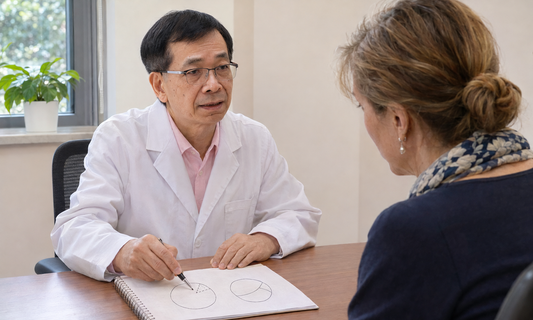
Oncoplastic breast conservation combines removal of the cancer with planned reshaping of the remaining breast. Shape matters, but the plan must still allow clear margins and appropriate treatment after surgery.
- Removal: address the full affected area.
- Reshaping: consider how the remaining tissue can be arranged.
Why plan the shape before removing the tumour?
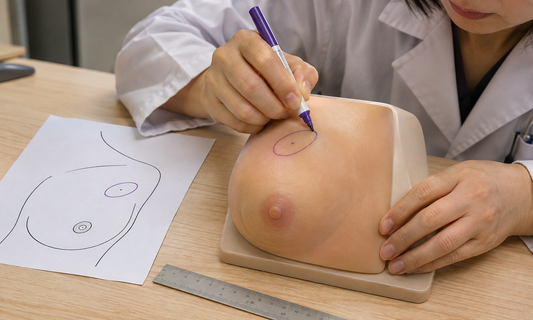
The likely shape change depends on the location and amount of tissue removed, as well as the breast itself. Planning before surgery helps the team consider an approach suited to the expected defect.
- Location: which part of the breast will be affected?
- Volume: how much suitable tissue will remain?
Can the remaining breast tissue be moved?
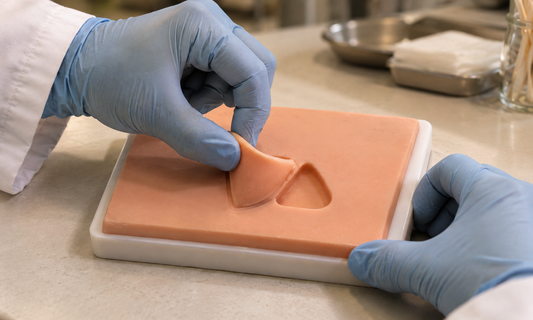
Some oncoplastic techniques bring nearby breast tissue into the space left after removal. This is often called tissue rearrangement. It is one way of addressing a defect and needs individual assessment.
- Ask what tissue would be moved.
- Ask how the proposed approach fits the tumour location.
Conceptual teaching model; the tissue movement depends on the individual operation.
02 · Weigh the details
Does reshaping change the need for clear margins?
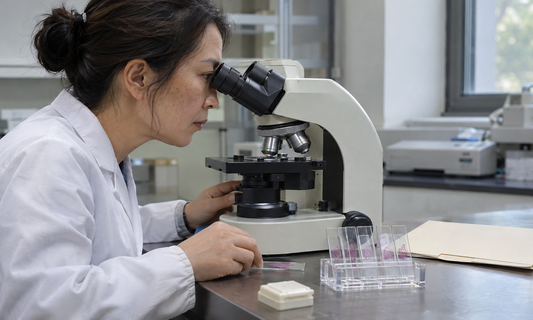
No. The edges of the removed tissue still need checking for cancer. Ask how the team checks margins and what the plan would be if the final report shows that more tissue needs removing.
- The final pathology remains important.
- Ask how further surgery would be handled after rearrangement.
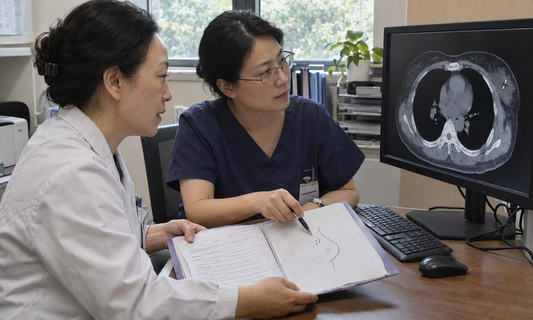
Why does the original tumour area need documenting?
The tumour bed is the area from which the cancer was removed. The 2021 guideline recommends placing small metal clips there to help locate it when planning a targeted extra dose of radiotherapy, if needed.
- Ask how the tumour bed will be marked.
- Ask how the operation details reach the radiotherapy team.
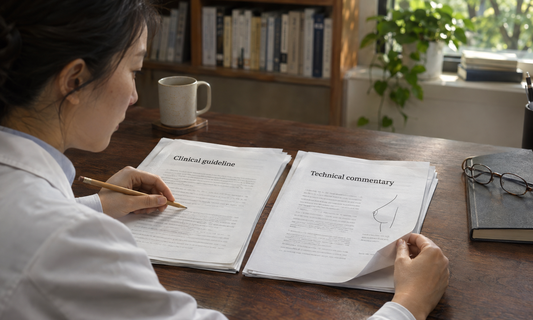
What do Professor Su’s publications support?
The guideline supports considering oncoplastic techniques for appearance. The related technical commentary explains possible approaches. These publications do not give a guaranteed cosmetic result or prove that a particular technique prevents recurrence.
- A guideline provides clinical recommendations.
- A technique illustration is not a comparison of patient outcomes.
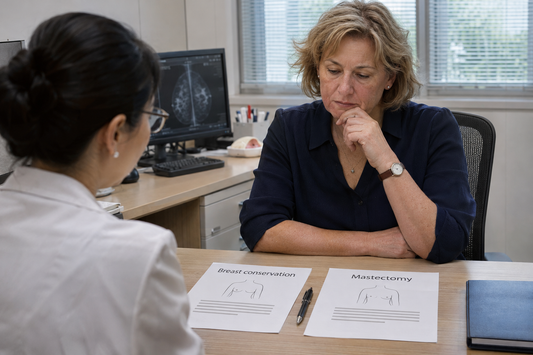
Could another operation fit better?
An oncoplastic approach does not make every cancer suitable for breast conservation. Disease extent, the ability to obtain clear margins and the rest of treatment still matter. Ask about alternatives if these requirements cannot be met.
- Discuss what is feasible in your breast.
- Compare the whole treatment plan, not only the scar.
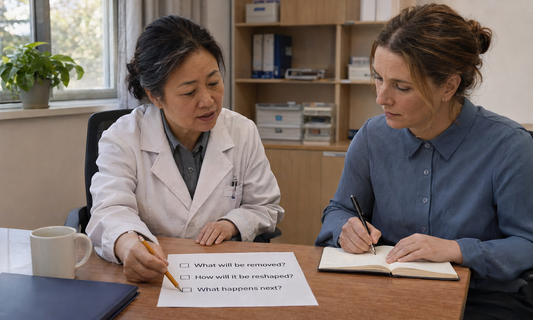
03 · Prepare your next step
What should the surgeon explain to me?
Ask what will be removed, how the breast will be reshaped, where scars are expected, and what might change after the final pathology. Make sure you understand the possible need for further treatment.
- Ask for a simple explanation using your imaging.
- Write down which parts of the result cannot be predicted.
Evidence and References
This educational guide draws on publications coauthored by Professor Fengxi Su. Additional current guidance is identified separately. The explanations support discussion with your care team and do not determine individual treatment.
- Clinical practice guideline for breast-conserving surgery in patients with early-stage breast cancer: Chinese Society of Breast Surgery (CSBrS) practice guidelines 2021. (2021). Coauthored by Professor Su.
- In pursuit of a flawless aphrodite: paving the way to scarless oncoplastic breast surgery. (2019). Coauthored by Professor Su.
Related guides
Use the contact form to ask about consultation arrangements. Sending a message does not confirm an appointment. The form is not an emergency service.