
Surgical Margin Assessment | Professor Fengxi Su
01 · Understand your margin result
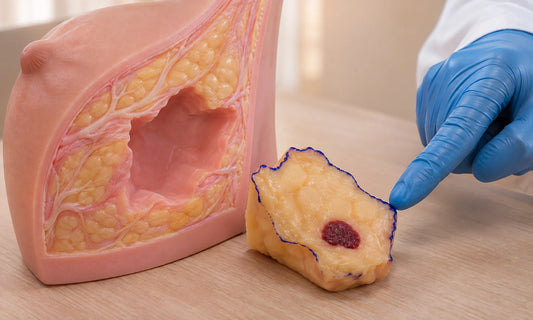
What is a surgical margin?
It is the cut edge of tissue removed during surgery.
- The check: A pathologist looks for cancer cells at that edge.
- The purpose: The result helps your team judge whether cancer may remain nearby.
The margin is an internal tissue edge, not the scar on your skin.
Are positive and close margins the same?
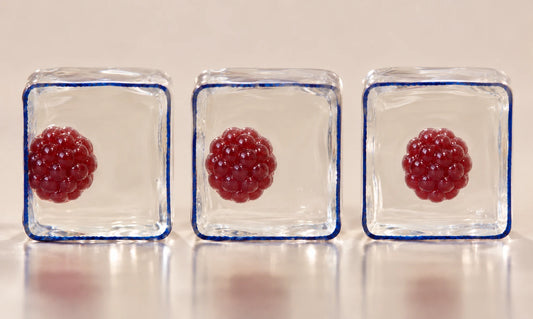
No. Cancer at the edge and cancer near the edge are different findings.
- Positive: Cancer touches the ink used to mark the cut edge.
- Close but negative: Cancer does not touch the ink, but only a small gap remains.
- Wider negative: A larger gap remains; whether more width matters depends on the cancer type and treatment plan.
Ask for the exact margin location and measured distance.

What margin is usually enough for invasive cancer?
A widely used standard is “no ink on tumor.”
- Scope: This standard applies to stage I–II invasive cancer treated with breast-conserving surgery and radiation to the whole breast.
- Meaning: Neither invasive cancer nor any accompanying DCIS touches the inked edge.
- Width: Wider clear margins have not shown a lower risk of cancer returning in the treated breast.
Invasive cancer has grown into surrounding breast tissue. DCIS stays inside the milk ducts.
Is the target different for DCIS?
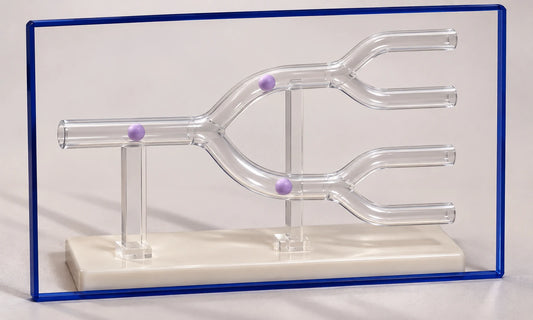
After breast-conserving surgery for DCIS with whole-breast radiation, a 2 mm clear margin is usually adequate.
- Applies to: Pure DCIS, or DCIS with a tiny invasive focus called microinvasion.
- Narrower but clear: A clear gap below 2 mm needs review for further tissue removal; it does not automatically mean mastectomy.
- Mixed disease: An invasive cancer with accompanying DCIS usually follows the invasive-cancer margin standard.
These thresholds should not be applied automatically when radiation is omitted or a different radiation approach is planned.

02 · How the tissue is checked
When are the margins checked?
Checks may happen during surgery, with a final pathology review afterward.
- During surgery: Some hospitals quickly freeze and examine small tissue samples during the operation.
- After surgery: The laboratory examines preserved tissue for the final report.
- Why both matter: An early result can differ from the final result.
Ask which assessment method your hospital uses.
Is cavity sampling the same as cavity shaving?
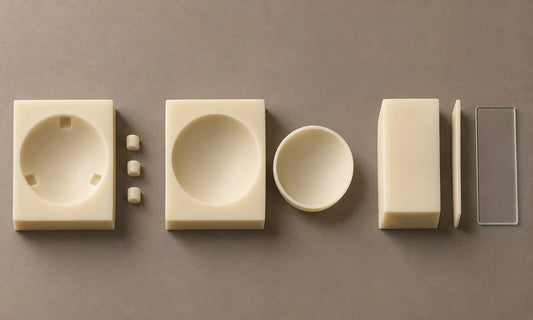
The cavity is the space left after tumor removal; sampling and shaving remove different amounts of tissue.
- Cavity sampling: Small pieces from the wall left after tumor removal are checked for cancer.
- Cavity shaving: An additional layer is removed around that cavity.
- Laboratory shaving: Slicing an already removed specimen is a pathology technique, not another removal from your breast.
Ask what the word “shave” means in your report or surgical plan.

What did the trial coauthored by Professor Su test?
It tested removing an extra layer all around the cavity before taking margin samples.
- Participants: 181 patients were randomly assigned to two groups.
- Both groups: Both groups had cavity samples checked using frozen sections; only one group had the extra shaving.
- Main measure: Cancer found at margins during surgery by frozen-section testing.
This was a comparison of surgical workflows, not a trial of survival benefit.

Did the trial show an overall benefit from extra shaving?
Numbers were lower with extra shaving, but a reduction in positive margins or second operations was not established.
- During surgery: Positive margins: 12.1% without extra shaving and 7.8% with it.
- Final laboratory report: Positive margins: 16.5% without extra shaving and 7.8% with it.
- Another operation: Rates were 4.4% without extra shaving and 1.1% with it.
None of these differences was statistically significant: chance could explain the differences. This does not prove the methods are identical.

Why might cavity-shaving trials reach different conclusions?
Trials used different assessment methods, so their results are not directly interchangeable.
- Another trial: A 2015 randomized study reported fewer positive margins and second operations after shaving.
- Key difference: That study did not use intraoperative frozen-section margin checks.
- Your decision: Ask how the evidence fits your hospital’s full assessment process.
One study cannot establish a benefit for every patient or every surgical approach.

03 · Decide the next step
Why might teams recommend different margin widths?
Guideline context and your individual findings both matter.
- Historical context: A 2021 Chinese Society of Breast Surgery panel did not recommend routine use of the no-ink and 2 mm thresholds in China.
- Current discussion: Ask which guideline your team now follows and why it fits your case.
- Individual findings: Cancer type, remaining imaging abnormalities and radiation plans can affect the recommendation.
The 2021 statement is dated guidance, not a claim about all Chinese hospitals today.
Will a positive margin mean another operation?
Further removal is usually recommended, but the plan is individualized.
- Re-excision: Another operation may remove tissue from the involved edge.
- Team review: The location, disease extent, remaining breast tissue and your health all matter.
- Other options: Removing the whole breast (mastectomy) may be discussed if clear margins cannot be achieved while preserving the breast.
If further surgery is not recommended, ask your team to explain the reason.

Do clear margins mean the cancer can never return?
No. A clear margin is reassuring, but it cannot guarantee zero risk.
- One part of care: Your radiation and any drug treatment plan still need review.
- Positive margins: Radiation does not remove the extra risk of cancer returning in the breast when cancer reaches the margin.
- Ongoing care: Keep the follow-up plan agreed with your breast team.
Margin findings alone do not provide your personal prognosis.

04 · Prepare your consultation
What should I bring to a margin consultation?
Bring the reports that connect your operation, pathology and imaging.
- Documents: Your final pathology report, operation note and breast imaging reports.
- Key questions: Ask which margin needs attention, what further treatment is proposed, and how it may affect breast preservation, appearance and recovery.
- First contact: Send contact details and general questions. The team will explain how to share records.
medChina.global coordinates enquiries. Professor Su's availability and consultation arrangements require confirmation.
Evidence and Image Information
Professor Fengxi Su co-authored the 2019 cavity-shaving trial (PMID 31429019). Its overall comparisons did not show statistically significant differences; this does not establish that the methods are equivalent.
The clinical explanations also use the professional and patient guidance below, reviewed on 2 November 2026. This page supports discussion with your team; it does not decide your treatment or provide Professor Su's personal outcome rates.
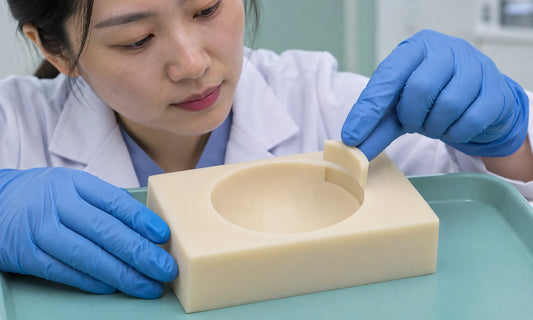
Images are AI-generated educational scenes. Models, records and demonstrations are simulated; they are not actual patients, study results or photographs of Professor Su performing these procedures.
Optional references: Chen K et al. Circumferential Shaving of the Cavity in Breast-Conserving Surgery: A Randomized Controlled Trial. Ann Surg Oncol. 2019;26:4256–4263.; Chen K et al. Clinical practice guideline for breast-conserving surgery in patients with early-stage breast cancer: CSBrS practice guidelines 2021.; Chen K et al. Clinical Outcomes of Breast-Conserving Surgery in Patients Using a Modified Method for Cavity Margin Assessment. Ann Surg Oncol. 2012;19:3386–3394.; SSO–ASTRO Consensus Guideline on Margins for Breast-Conserving Surgery with Whole-Breast Irradiation in Stage I and II Invasive Breast Cancer.; SSO–ASTRO–ASCO Consensus Guideline on Margins for Breast-Conserving Surgery With Whole-Breast Irradiation in Ductal Carcinoma In Situ.; American Society of Breast Surgeons. Resource Guide: Breast Cancer Breast Conservation Surgery Margins. 2024.; American Society of Breast Surgeons. Resource Guide: Breast Conserving Surgery. 24 February 2026.; Chagpar AB et al. A Randomized, Controlled Trial of Cavity Shave Margins in Breast Cancer. N Engl J Med. 2015;373:503–510.; National Cancer Institute / SEER: Surgical margin.; National Cancer Institute: Invasive breast cancer definition.
The key explanations are provided above; you do not need to open the papers to understand this page.