Gastric Cancer Treatment in China: Options, Costs & Second Opinions
Understand your treatment options, prepare the right questions and explore whether a specialist assessment in China could be useful for you.
This guide helps you understand what may be relevant to your diagnosis, what needs individual assessment, and what to clarify before paying for services or planning travel.
Your first service inquiry is free. It introduces the process and helps clarify your needs; it is not a specialist diagnosis or treatment recommendation.
Medical-record preparation and matching involve a service fee. A doctor’s video consultation is separately charged and depends on confirmed availability.
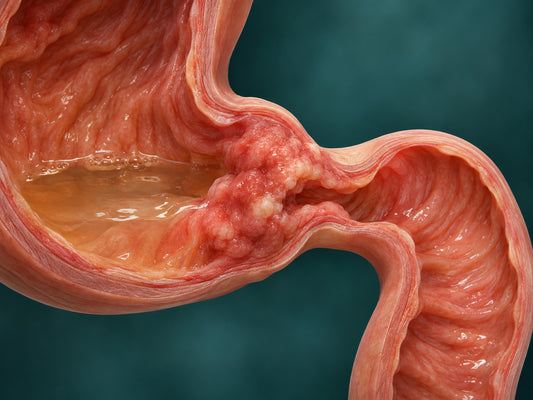
AI-generated educational illustrations. They do not depict named clinicians, patients or partner hospitals.
This guide focuses on gastric adenocarcinoma, the most common type of stomach cancer, and relevant gastroesophageal junction cancers. Other stomach tumors, including lymphoma and gastrointestinal stromal tumors, need different treatment pathways.
Learn about endoscopic treatment, surgery, medicines, supportive care and selected newer approaches. A treatment described here may not be suitable for you or available at every center.
Look beyond a technology name. Ask about the purpose of treatment, the evidence for patients like you, important risks, alternatives and the total cost of care.
Your first service inquiry is free. It introduces the process and helps clarify your needs; it is not a specialist diagnosis or treatment recommendation.
Medical-record preparation and matching involve a service fee. A doctor’s video consultation is separately charged and depends on confirmed availability.
Our role
We provide patient information and help coordinate requests for assessment. Medical institutions and clinicians make the decisions about acceptance, diagnosis and treatment. Information on this page does not imply a partnership with a particular specialist or center.
Explore Options Based on Your Diagnosis and Treatment Stage
Your next useful question depends on what is known about your cancer and what treatment you have already received.
Choose the situation closest to yours. These routes provide information, not an eligibility decision.
Newly diagnosed or unsure of the stage
Begin with your pathology, endoscopy and imaging reports. Ask what is confirmed, what remains uncertain and whether further assessment could change the treatment plan.
Find out whether a carefully selected lesion could be treated endoscopically or whether surgery is needed. “Early” alone does not establish eligibility for endoscopic treatment.
Ask why the proposed operation and removal of lymph nodes are appropriate, whether treatment before surgery is relevant, and how eating and recovery may change.
Clarify whether the cancer is considered removable and how treatment response will be assessed. The sequence of medicines and surgery needs an individual plan.
Discuss the goals of treatment, previous medicines, relevant biomarkers and symptoms that need attention now. A new assessment does not necessarily mean that surgery will become possible.
A useful treatment discussion starts with a clear diagnosis.
Bring the original reports and your treatment history, including medicines that were stopped because of side effects. The reviewing team should identify which missing information could change a decision.
Staging describes how far the cancer has spread. Imaging, endoscopy and, in selected situations, additional procedures help the medical team plan treatment.
Not everyone needs every test. Ask which assessment is being recommended and how the result could affect your care.
MSI/MMR status can influence treatment discussions. CLDN18.2 testing may be relevant to certain therapies, but eligibility criteria differ between products.
Ask whether your report contains the information needed for the treatment being considered.
The location and extent of the tumor influence how much stomach needs to be removed.
Ask about clear margins, lymph node surgery and how the digestive tract will be reconstructed. Keeping more stomach is not appropriate if it compromises cancer treatment.
The Chinese CLASS-01 randomized study compared laparoscopic and open distal gastrectomy in selected patients with locally advanced cancer at experienced centers.
Its findings support a specific surgical setting. They do not establish that every gastric cancer should be treated laparoscopically.
If either is proposed, ask why it fits your anatomy and cancer, what evidence supports it, and how it changes risks and cost.
A technology label cannot guarantee cure, stomach preservation or a complication-free recovery.
Chemotherapy, Targeted Therapy and Immunotherapy
Medicines may be used around surgery or to treat advanced disease.
Their role depends on the diagnosis, biomarkers, previous treatment and your ability to tolerate side effects. A treatment plan should explain both its goal and how it will be reassessed.
Treatment before surgery may be discussed for some patients. Treatment after surgery depends on the overall plan and findings.
Ask when response will be reviewed and what would change the next step. Do not stop an existing treatment while seeking another opinion without discussing it with your treating team.
Ask how the proposed medicines will be given, which side effects require urgent contact, and how nutrition, organ function and previous reactions affect the plan.
A dose or schedule that suits another person may not suit you.
Immunotherapy can affect healthy tissues as well as cancer. Side effects may develop during or after treatment and can be serious.
Ask about warning symptoms and tell the team about autoimmune conditions, previous immune-related reactions and other relevant medical history.
Advanced, Recurrent and Peritoneal Metastatic Gastric Cancer
A further assessment should clarify realistic goals and what needs attention now.
It may consider additional treatment, support the current plan, or prioritize relief of symptoms. More intensive treatment is not automatically the most helpful choice.
If treatment is proposed with the aim of reconsidering surgery later, ask what response would be required, how it would be measured and what happens if surgery remains unsuitable.
Do not interpret this possibility as a promise of an operation or cure.
Intraperitoneal medicines, cytoreductive surgery and HIPEC are distinct approaches, not one standard package for everyone.
In GASTRIPEC-I, adding HIPEC did not demonstrate an overall-survival benefit in the overall study population. Discuss patient selection, uncertainty and treatment burden.
These problems may need treatment alongside the cancer plan.
Ask whether medicines, endoscopic procedures, radiotherapy, drainage or surgery have a role in your situation. Urgent symptoms need local assessment rather than waiting for overseas coordination.
CAR T-Cell Therapy and Clinical Trials in China
An approved indication, an experimental approach and an available treatment appointment are different things.
Biomarker results alone cannot confirm that you can receive a cell therapy or join a trial.
Approval source checked 8 November 2026. Current prescribing information and individual access still require confirmation.
A Chinese regulatory announcement dated 22 June 2026 reports approval of satricabtagene autoleucel for CLDN18.2-positive, HER2-negative advanced gastric or gastroesophageal junction adenocarcinoma after failure of at least two prior treatment lines.
This is a defined indication, not approval for every stomach cancer.
The current prescribing information, required testing, medical suitability, treatment center, monitoring arrangements, timing and complete costs must be checked.
A published approval does not guarantee international-patient access or an appointment at a particular center.
Before making travel plans, ask the treating center to explain collection and manufacturing, any treatment required before infusion, major risks, monitoring and follow-up.
Confirm what happens if your condition changes or the planned treatment cannot proceed.
Ask the research team about overseas-patient eligibility, language, required visits and follow-up.
Request an explanation of which expenses are covered and which remain your responsibility. Do not assume that participation means all care or travel is free.
Outcomes, Recovery and Life After Treatment
Treatment decisions should consider daily life as well as cancer control.
Ask what recovery may involve, what help is available and how symptoms will be managed. Research results describe groups of patients; they cannot predict your individual outcome.
Tumor shrinkage, time before progression and overall survival describe different outcomes.
When reading a result, check the study population, comparison group and follow-up period. A percentage without this context is not a personal prognosis.
Discuss activity, wound care, eating and when to contact the hospital. Return-to-work and travel plans should follow an individual assessment rather than a fixed promise on a website.
Smaller, more frequent meals and individual dietary adjustments may help after stomach surgery.
Problems such as weight loss, reflux or symptoms after eating deserve attention. Ask about monitoring and replacement of nutrients, including iron and vitamin B12, when relevant.
Supportive care addresses symptoms, treatment side effects and practical or emotional needs.
Palliative care can be provided alongside cancer treatment; asking for it does not mean giving up. Caregivers may also need support.
When not to wait for an online reply
Severe breathing difficulty needs emergency care immediately. Vomiting blood needs urgent medical help.
Do not wait for a reply from an overseas coordination service. This inquiry service is not an emergency service; contact medical services where you are.
Treatment Costs in China and Our Service Fees
There is no single price for gastric cancer treatment in China.
Compare what a quotation includes, the proposed treatment and the costs of travel and continuing care—not just an advertised starting price.
Free initial service inquiry: The first inquiry is free. It helps clarify your needs and how the process works. It is not a specialist consultation and does not produce a medical diagnosis or treatment plan.
Paid medical-record preparation and matching: A service fee applies when you proceed with the agreed work. The scope, fee and deliverables should be set out before you accept the service.
Separately charged doctor consultation: A doctor’s video consultation has a separate fee and depends on confirmed availability. Confirm the clinician, institution, duration and expected output.
Hospital treatment and other expenses: These are separate unless expressly included in a written quotation. Check who is charging for each item and to whom payment should be made.
Check what is included, what is excluded, and what happens if a suitable appointment cannot be arranged.
Cancellation, rescheduling and refund terms should be explained before payment.
How to Arrange an Assessment and Find Suitable Care
A reliable process makes the next step clear before you pay or travel.
Service coordination and medical decision-making are different: the clinician or institution must decide whether an assessment or treatment is appropriate.
Matching should consider your diagnosis, previous treatment, the expertise required and practical constraints.
The proposed clinician’s identity and institution should be disclosed before an assessment is booked. Final acceptance must be confirmed by the receiving provider.
Before sharing detailed records, check how they will be received, who may review them and what permission is required.
If you are contacting us for another person, ask how their authorization should be provided. Avoid sending identifiable medical documents in public comments.
Travel Planning and Follow-Up After Returning Home
Make travel decisions after the receiving provider has clarified what can be arranged and your treating team has considered whether travel is appropriate.
Plan for the period after treatment as carefully as the visit itself.
Confirm provider acceptance, the purpose of the visit, likely assessments, an estimated budget and who to contact if plans change.
Check entry requirements, insurance and any need for a companion with the relevant providers. Do not assume a fixed admission date or immediate treatment.
Discuss medicine availability and monitoring in your home country before starting a plan that may continue after the trip.
Confirm whether remote follow-up is available and who is responsible for it. A return-home plan should not depend on unconfirmed promises.
Frequently Asked Questions and Your Next Step
You can start by asking about the process.
A free initial service inquiry does not commit you to paid matching, a consultation or travel. Any paid step requires a separate explanation of its scope and cost.
Can I ask for help if I do not know the stage?
Yes. You can describe what you know in an initial service inquiry.
Determining the stage is a clinical task; the inquiry itself does not diagnose or stage the cancer.
Does every patient need to travel to China?
No. A review may support continuing your current care locally.
Travel should have a clear purpose and depend on clinical suitability and confirmed arrangements.
Can I request a particular treatment?
You can ask about it, but a request is not confirmation of eligibility.
The medical team must consider the diagnosis, previous treatment, relevant tests, risks and available alternatives.
Is my first inquiry a free consultation with a cancer specialist?
No. The free first step is a service inquiry about your needs and the process.
A doctor’s video consultation is a separate, charged service that requires confirmation.
Why is there a matching fee?
The paid step covers the agreed work on medical records and matching. Ask for the exact deliverables and fee before proceeding.
It does not buy priority admission, a guaranteed doctor appointment or a treatment result.
What happens if no suitable appointment can be arranged?
The service agreement must explain this before payment, including any applicable refund or cancellation terms.
Do not assume that paying a matching fee guarantees an appointment.
Will my existing tests be accepted?
The receiving team decides whether the available records are sufficient or whether review or additional testing is needed.
Keep the original reports and, where possible, the underlying images and pathology material.
Can my family contact you for me?
A family member can make an initial service inquiry.
Before detailed records are shared or medical discussions are arranged, the patient’s authorization and the provider’s requirements must be clarified.
Can you guarantee a cure or trial enrollment?
No. Neither an inquiry nor a paid service can guarantee a treatment outcome.
Clinical-trial participation depends on the study’s requirements and the research team’s decision.
Should I stop treatment while waiting for an assessment?
Do not stop or delay prescribed treatment on the basis of this page.
Discuss timing and any proposed changes with your current treating team. Seek local medical help promptly if you become acutely unwell.
Start a Free Initial Inquiry
A free initial service inquiry does not commit you to paid matching, a consultation or travel. Any paid step requires a separate explanation of its scope and cost.
Please do not include passport details or upload medical records in this initial form. We will explain any proposed paid service before you decide whether to proceed.
This guide provides general information and is not a diagnosis or a personal treatment recommendation. Treatment suitability and availability must be confirmed by the treating provider. This is not an emergency service.
Editorial content updated 8 November 2026. Clinical review has not been completed. AI-generated images are simplified educational illustrations and do not establish treatment eligibility or provider relationships.
Research and regulatory sources explain treatment evidence. They do not confirm provider relationships, appointments, prices or international-patient access.
We use cookies to enhance your browsing experience, serve personalized ads or content, and analyze our traffic. By clicking "Allow cookies", you consent to our use of cookies. More infor
Thanks for subscribing!
This email has been registered!
Sorry! Products are not enough.
Recipient email can't be blank.
Send on must be within 90 days from now
Thank you for registering! We will notify you by email when it is back in stock.