
Lumpectomy Recovery: How Much Time Off Work Do You Need?

PATIENT GUIDE
How much time off should I plan?
A useful starting point is about 1–3 weeks off work after an uncomplicated lumpectomy. This is a planning range, not clearance to return. Your operation, job and recovery may require more time.
Kaiser Permanente gives a 1–3-week work estimate. Mayo Clinic says many people resume usual activities at around two weeks, but recovery can take longer after lymph-node surgery or breast reshaping.
Feeling ready to answer a few emails is different from managing a full shift. Before surgery, agree a provisional return date and a review point with your surgical team.

Does desk work mean I can return sooner?
Match the plan to the work you actually do. A flexible desk role may be easier to restart than lifting, repetitive arm use, driving or long shifts. Working from home still requires energy and concentration.
Tell your team about your commute, shift length, lifting duties and care responsibilities at home. Ask whether shorter days, extra breaks or temporary changes to duties would help.
For example, you could ask your employer about starting with a short morning and reviewing how you feel. This is a discussion idea, not a recovery schedule.
Fatigue can last for the first few weeks. Needing more rest is not a failure. Plymouth NHS patient guidance recommends allowing time for both physical and emotional recovery.
Why might my recovery take longer?
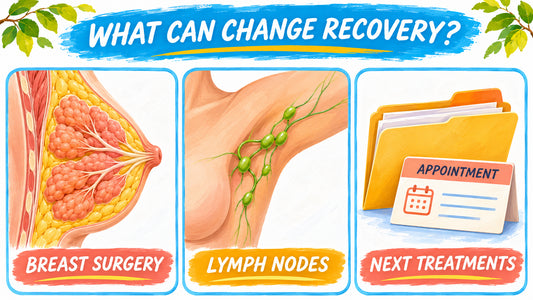
“Lumpectomy” can describe operations of different sizes. Removing a small area of breast tissue differs from an operation that also involves breast reshaping or lymph nodes.
An oncoplastic procedure combines cancer removal with reshaping. Sentinel-node biopsy checks selected underarm lymph nodes. Ask what is planned in your case and how it changes lifting, arm movement and work advice.
The final pathology report also matters. If cancer cells remain at a cut edge, further surgery may be discussed. Radiotherapy and other treatment appointments can affect your work plan even after the incision heals.
These decisions connect with Professor Su’s areas of practice: breast conservation, oncoplastic surgery, lymph-node management and surgical margins. They do not establish a faster recovery for an individual patient.
When should I call my surgical team?
Seek advice for a recovery that is getting worse rather than better. Contact your surgical team for fever, increasing redness, warmth or swelling, worsening discomfort, or new wound drainage. Follow the temperature threshold and contact instructions on your own discharge sheet.
New shortness of breath needs urgent medical assessment. Do not wait for a website enquiry.
For driving, being off sedating pain medicine is only part of the decision. You also need comfortable arm movement and safe control of the vehicle, with your team’s clearance. Ask separately about lifting and exercise.
Keep your follow-up visit even if you feel well. MSK’s lumpectomy guide explains wound care, warning signs, driving and follow-up.

What should I ask before choosing a return date?
Bring four practical questions to your next appointment:
1. What breast and lymph-node procedures am I having, and what restrictions apply to my job?
2. When will you review my wound and final pathology, and could the results change the plan?
3. When might radiotherapy or other treatment start, and how should I allow for appointments and fatigue?
4. Who should I contact if pain, swelling or tiredness prevents me from returning as planned?
If you are exploring a specialist opinion, read Professor Su’s profile and tell medChina your main question. The team can explain consultation arrangements and how to share existing reports through an appropriate channel. Availability and suitability require confirmation.
You do not have to settle every decision today. A clear next appointment and a flexible work plan can make the coming weeks more manageable.
Sources and editorial information
Prepared by the medChina editorial team. Sources checked on 3 November 2026.
Medical references: Mayo Clinic; Memorial Sloan Kettering; National Cancer Institute; Kaiser Permanente; University Hospitals Plymouth NHS Trust.
Illustrative scenes, not records of actual patient care.
General recovery information cannot replace your discharge instructions or your own team’s assessment. medChina coordinates enquiries; urgent symptoms need local medical care.