
Cancer Screening
,
Cardiovascular Risk
,
China Health Screening
,
China Medical Travel
,
Executive Health Checkup
,
Health Screening China
,
Longevity
,
Preventive Health
Executive Health Checkup in China: A Guide for U.S. Patients and Families
For many U.S. patients, healthcare is no longer only about treating illness after symptoms appear. More Americans are thinking about prevention, early risk detection, long-term health planning, and how to make better medical decisions before a serious condition develops.
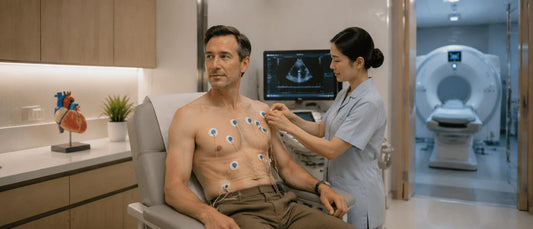
An executive health checkup in China may be worth exploring for selected U.S. patients, executives, entrepreneurs, families, and international patients who want a more coordinated preventive health screening experience. Instead of scheduling separate appointments across different clinics, an executive health program may help organize a broader review of cancer risk, cardiovascular health, metabolic health, imaging, laboratory testing, sleep, stress, nutrition, and aging-related concerns.
This guide explains what an executive health checkup in China may include, who may benefit, how it differs from a basic annual physical, what U.S. patients should prepare, and how medChina.global helps coordinate a responsible medical pathway before any travel decision is made.
Explore Executive Health Checkups in China
What Is an Executive Health Checkup in China?
An executive health checkup is a comprehensive health screening program designed for people who want a deeper understanding of their current health status and future health risks. It is often chosen by busy professionals, business owners, high-income families, older adults, and patients with family histories of chronic disease, cancer, heart disease, stroke, diabetes, or other major medical concerns.
In China, executive health checkups may be offered through large hospitals, international medical departments, specialized health management centers, and private medical programs. Depending on the patient’s age, medical history, family history, symptoms, lifestyle, and goals, the program may include multiple screening components in one coordinated pathway.
The goal is not to promise that every disease can be detected. No checkup can do that. The goal is to help patients understand health risks more clearly and identify whether further specialist review, lifestyle changes, additional testing, or follow-up care may be needed.
Why U.S. Patients Consider Executive Health Checkups in China
U.S. healthcare can be excellent, especially for advanced treatment, emergency care, and specialty medicine. However, many patients still find preventive care difficult to coordinate across different providers, insurance networks, imaging centers, laboratories, and specialists.
Some U.S. patients begin exploring executive health checkups in China because they want a more organized experience. Others are looking for a private medical environment, a broader screening plan, or a way to combine preventive care with medical travel, family visits, specialist second opinions, rehabilitation, or longevity programs.
Common reasons U.S. patients explore China include:
- They want a more complete health review than a basic annual physical.
- They want coordinated screening instead of multiple separate appointments.
- They want cancer, heart, metabolic, and lifestyle risk assessment in one pathway.
- They value privacy, especially executives, entrepreneurs, and high-profile individuals.
- They want a second perspective on abnormal results or family health risks.
- They are interested in healthy aging, longevity planning, and prevention.
- They need help with hospital matching, translation, appointments, and follow-up planning.
Executive Health Checkup vs. Annual Physical in the United States
Many Americans are familiar with an annual physical exam. A basic physical may include medical history review, vital signs, physical examination, common blood tests, and age-appropriate preventive recommendations. For some patients, this is sufficient.
An executive health checkup is usually broader. It may include more extensive laboratory testing, imaging, specialist interpretation, risk assessment, and personalized health planning. The exact content depends on the medical institution and the patient’s needs.
A typical annual physical in the United States often focuses on general health status. Patients may need to schedule separate appointments for imaging, cardiology, gastroenterology, endocrinology, cancer screening, or lifestyle support. An executive health checkup in China may be organized as a more coordinated pathway, bringing together multiple screening areas into a structured experience.
This does not mean an executive health checkup is automatically better for every patient. It means that some patients may prefer a broader preventive health review when they have specific goals, risk factors, limited time, or family health concerns.
Start With a Preventive Health Suitability Review
What May Be Included in an Executive Health Checkup?
The specific tests and services should always be selected based on age, symptoms, medical history, family history, risk factors, and clinical judgment. More testing is not always better. A responsible executive health program should explain why each screening component is included.
1. Medical History and Risk Assessment
A strong program should begin with a careful review of personal medical history, family history, medications, prior surgeries, allergies, lifestyle, sleep, stress, exercise, and current health concerns. A 38-year-old executive with fatigue and metabolic risk does not need the same screening plan as a 65-year-old patient with a family history of cancer and heart disease.
2. Laboratory Testing
Laboratory testing may include blood count, liver function, kidney function, thyroid function, blood sugar, HbA1c, cholesterol, inflammatory markers, vitamin levels, hormone-related tests when appropriate, and other panels depending on the patient’s goals. Lab results should be interpreted by qualified medical professionals and viewed in clinical context.
3. Cancer Screening and Early Risk Review
Cancer screening may include age-appropriate screening tests, imaging, endoscopy when appropriate, tumor marker testing, and specialist review. However, cancer screening should be carefully planned. Not every cancer screening test is appropriate for every person, and abnormal findings may require additional evaluation.
4. Cardiovascular Risk Assessment
Cardiovascular screening may include blood pressure review, cholesterol testing, ECG, echocardiogram, vascular ultrasound, coronary risk evaluation, lifestyle risk assessment, and cardiology consultation when needed. This may be especially relevant for patients with high stress, family history, diabetes risk, obesity, smoking history, or previous abnormal cardiac tests.
5. Metabolic Health Review
Metabolic health is central to long-term prevention. A metabolic assessment may review diabetes risk, insulin resistance, cholesterol, fatty liver risk, body composition, weight trends, nutrition, exercise, and sleep patterns. A strong program should help patients understand what the numbers mean and what actions may be appropriate.
6. Imaging and Advanced Screening
Some executive health programs may include ultrasound, CT, MRI, PET-CT, bone density testing, vascular imaging, or other imaging tools. These tests should be selected carefully based on medical need and risk profile. Advanced imaging can be useful in selected cases, but it may also lead to incidental findings, anxiety, radiation exposure, or unnecessary follow-up testing.
7. Sleep, Stress, and Lifestyle Review
For executives and busy professionals, sleep and stress are often major health issues. A China preventive health program may include evaluation of sleep quality, fatigue, stress burden, nutrition, exercise habits, alcohol use, smoking history, and recovery capacity.
Who May Benefit From an Executive Health Checkup in China?
An executive health checkup in China may be worth exploring for selected U.S. patients and families who want more structured preventive care and are willing to plan medical travel responsibly.
Patients who may consider this pathway include:
- Executives, entrepreneurs, and professionals with limited time.
- Adults over 40 who want comprehensive preventive screening.
- Patients with family history of cancer, heart disease, diabetes, stroke, or dementia.
- People with high stress, poor sleep, fatigue, or metabolic concerns.
- Families seeking private health planning for parents, spouses, or adult children.
- International patients interested in health checkups, longevity programs, or preventive medicine in China.
Not every patient should travel for a health checkup. Patients with unstable medical conditions, acute symptoms, severe mobility limitations, recent major surgery, or urgent medical needs should speak with their local physician before considering international travel.
Plan a China Executive Health Checkup Review
How medChina.global Helps U.S. Patients
medChina.global helps U.S. patients and families explore preventive health and medical treatment options in China through a structured coordination process. Our role is not to replace your doctor or guarantee medical outcomes. Our role is to help you understand whether China may offer a relevant, appropriate, and coordinated pathway for your health goals.
Our coordination may include medical suitability review, hospital and program matching, medical record preparation, translation and communication support, appointment coordination, travel-related planning, and follow-up preparation after returning to the United States.
The process is designed to help patients make informed decisions before traveling. A responsible pathway should begin with understanding the patient’s situation, not with selling a package.
Questions to Ask Before Choosing a Program
Before choosing any executive health checkup program, U.S. patients should ask practical and medical questions. A high-quality program should explain what is included, why each test is recommended, how results are interpreted, and what happens after abnormal findings.
- Is the program hospital-based, clinic-based, or health management center-based?
- Who reviews the test results?
- Can I receive an English medical summary?
- Are screening tests selected based on my risk profile?
- Is advanced imaging medically appropriate for me?
- What happens if an abnormal result is found?
- Can specialists be arranged if needed?
- How will I follow up after returning to the United States?
Frequently Asked Questions
Can U.S. patients get an executive health checkup in China?
Yes. Some Chinese hospitals, international medical departments, and health management centers can provide executive health programs for international patients. The right option depends on the patient’s health goals, medical history, language needs, and travel readiness.
Is an executive health checkup the same as a full body checkup?
Not exactly. A full body checkup usually refers to a broad screening package. An executive health checkup may be more personalized and may include risk assessment, physician interpretation, private coordination, and follow-up planning.
Can I get cancer screening during an executive health checkup?
Cancer screening may be included when appropriate, but it should be based on age, family history, risk factors, symptoms, and medical judgment. Patients should avoid choosing tests randomly without medical guidance.
Can an executive health checkup help with longevity planning?
It may help identify health risks relevant to long-term wellness, such as metabolic risk, cardiovascular risk, sleep problems, nutrition issues, and lifestyle factors. However, no program can guarantee longevity, reverse aging, or prevent all disease.
Do I need to travel to China first?
No. The first step should be a medical suitability review. You can share your health goals, concerns, and available records before deciding whether travel is appropriate.
Explore Executive Health Checkup Options in China
This article is for informational purposes only and does not replace medical advice, diagnosis, or treatment. Patients should consult qualified healthcare professionals before making medical or travel decisions.
Tags:
Previous
Executive Health Checkup in China: A Guide for U.S. Patients and Families
Next
Full Body Checkup in China: What U.S. Patients Should Know Before Traveling