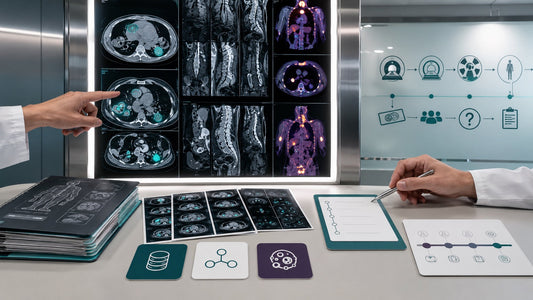

Cancer Second Opinions Abroad for Canadian Patients: When to Consider China
Cancer second opinions abroad for Canadian patients refer to seeking an additional oncology review from medical specialists outside Canada to better understand diagnosis, staging, pathology, imaging, treatment options, and care planning. A second opinion does not replace your Canadian oncologist. It can be a complementary way to gain clarity before making major treatment decisions.
After a cancer diagnosis, patients and families often feel pressure to make decisions quickly. They may need to choose between surgery, radiation therapy, chemotherapy, targeted therapy, immunotherapy, observation, supportive care, rehabilitation, or further testing. In this situation, a second opinion can help patients ask better questions and understand whether the current plan is complete.
The Canadian Cancer Society explains that people can ask for a second opinion anytime during diagnosis or treatment, and that asking for one is common. For some Canadian patients, an international second opinion may be considered when they want another perspective from a hospital system outside Canada. China may be one option for selected patients seeking oncology review, multidisciplinary discussion, pathology review, imaging reassessment, or hospital matching.
Why Canadian Cancer Patients Seek Second Opinions
Cancer decisions can be complex. Even when a patient trusts the local care team, it is natural to want confirmation before starting a major treatment. A second opinion may help clarify whether the diagnosis is complete, whether the stage is accurate, whether pathology or imaging should be reviewed again, and whether the treatment plan fits the patient’s goals.
Canadian cancer patients may consider a second opinion when:
- The diagnosis is new and the patient wants to understand all major options
- The cancer is rare, aggressive, advanced, recurrent, or complex
- Pathology, imaging, or staging feels unclear
- Different treatment options have been discussed and the family feels uncertain
- The patient wants to understand surgery, radiotherapy, systemic therapy, or supportive care options
- The patient is considering advanced medicines, medical devices, or eligibility-based pathways
- The family wants a more complete discussion before travel, treatment, or major expense
A second opinion may confirm the existing plan, suggest additional questions, or identify a different pathway to discuss with local physicians. It should not be viewed as a guarantee of better outcomes.
When an International Second Opinion May Be Useful
An international second opinion may be useful when a patient wants a broader perspective beyond their local healthcare system. It can be particularly relevant when the cancer case involves multiple specialties, advanced testing, or treatment decisions that significantly affect quality of life.
Canadian patients may explore international oncology review when they are asking:
- Has my cancer type been fully confirmed?
- Is my staging complete and accurate?
- Should my pathology or imaging be reviewed again?
- Are there treatment options I have not yet discussed?
- Would a multidisciplinary review be helpful?
- Are targeted therapy or immunotherapy questions relevant to my biomarkers?
- What rehabilitation or supportive care should I plan for?
- How can I compare options without delaying necessary treatment?
For time-sensitive cancer cases, patients should not delay urgent treatment without professional guidance. An international review should be coordinated carefully with qualified healthcare professionals.
Why China May Be Considered for Cancer Second Opinions
China may be considered by some Canadian cancer patients because of its large hospital systems, oncology departments, cancer specialty centres, international medical departments, rehabilitation resources, and selected medical innovation zones such as Boao Lecheng. China-based review may be useful for patients who want structured hospital matching, oncology second opinion, MDT discussion, pathology review, imaging review, or eligibility assessment for selected advanced medical pathways.
China should not be presented as automatically better than Canada. The key question is whether a specific China-based oncology direction matches the patient’s cancer type, stage, records, treatment history, goals, and follow-up needs.
Potential China-based oncology review directions may include:
- Oncology specialist second opinion
- Multidisciplinary team, or MDT, review
- Pathology report review
- Imaging and staging reassessment
- Surgery, radiotherapy, chemotherapy, targeted therapy or immunotherapy pathway discussion
- Rehabilitation, nutrition, pain management and supportive care planning
- Case-by-case review of selected advanced medicines or devices, where appropriate
What Records Are Needed for a Cancer Second Opinion?
A cancer second opinion depends on complete and accurate records. Without key documents, any specialist review may be limited.
Core Records to Prepare
- Diagnosis summary and timeline
- Pathology reports from biopsy or surgery
- Imaging reports such as CT, MRI, PET/CT, ultrasound or mammography
- Original imaging files where available
- Cancer staging information
- Molecular, genetic or biomarker testing results, if available
- Surgery notes or procedure reports
- Chemotherapy, radiation therapy, targeted therapy or immunotherapy history
- Medication list, allergies and current symptoms
- Recent blood tests, tumour markers and organ function reports
- Current treatment plan and unanswered questions
Pathology and imaging are especially important. Many cancer treatment decisions depend on the exact tumour type, stage, location, biomarkers, previous response to treatment and overall health condition.
What Is an Oncology MDT Review?
An oncology MDT, or multidisciplinary team review, is a process where multiple cancer-related specialists may discuss a case together. Depending on the cancer type and hospital, this may include medical oncology, surgical oncology, radiation oncology, radiology, pathology, interventional medicine, rehabilitation, nutrition, pain management or other specialties.
For Canadian patients, MDT review may be useful when:
- Several treatment choices are possible
- The patient is unsure about surgery versus non-surgical care
- Pathology, imaging or staging needs deeper discussion
- The cancer is recurrent, advanced or rare
- The treatment plan may affect function, fertility, appearance or quality of life
- The family wants a more complete review before making decisions
An MDT review does not guarantee a different answer. Its value is that the case may be considered from several medical angles rather than only one perspective.
Advanced Options and Boao Lecheng: What to Understand
Some patients ask whether China may offer access to advanced medicines, medical devices or therapies that are not easily available in their current pathway. Boao Lecheng in Hainan is known for selected special-permission medical resources under regulated conditions.
For cancer patients, this should be approached carefully. Availability is not automatic. Treatment suitability depends on cancer type, stage, biomarkers, previous treatment, general health, hospital review, physician assessment, regulation and patient eligibility.
Patients should avoid any claim that promises guaranteed access to advanced cancer medicines, cell-related treatment, experimental options or cures. A responsible pathway starts with medical record review and physician-led eligibility assessment.
How medChina.global Helps Canadian Cancer Patients
medChina.global supports Canadian patients exploring China-based cancer second opinions in a structured, non-emergency way. We are not a hospital and do not diagnose, treat or guarantee outcomes. Our role is to help patients organise records, clarify questions, explore hospital directions and prepare for responsible review.
Step 1: Clarify the Cancer Question
The patient may want diagnosis confirmation, treatment plan review, pathology reassessment, imaging review, MDT discussion, advanced option eligibility or supportive care planning.
Step 2: Organise Oncology Records
We help patients identify essential records such as pathology, imaging, biomarker testing, treatment history, medication list and current care plan.
Step 3: Match the Case With a China Oncology Direction
The case may be more relevant to a cancer specialty hospital, oncology department, international medical department, surgical oncology team, radiation oncology review, interventional oncology pathway, rehabilitation programme or Boao Lecheng-related pathway.
Step 4: Prepare for Review and Next Steps
Some patients may begin with document review and hospital matching. Others may later consider in-person consultation, additional testing, MDT discussion or treatment pathway planning. Travel should be considered only after the medical direction becomes clearer.
Questions to Ask Before Seeking a Cancer Second Opinion Abroad
- What exact question do I want the second opinion to answer?
- Is my pathology complete?
- Are my imaging files and reports available?
- Do I have biomarker or genetic testing results?
- What treatment has already been recommended?
- Is my cancer care time-sensitive?
- Could international review delay necessary treatment?
- How will my Canadian oncologist or care team use the information?
- What follow-up will I need after any overseas consultation?
What a Cancer Second Opinion Cannot Promise
A cancer second opinion can provide more information, but it cannot guarantee a specific result. Patients should understand that second opinions abroad cannot promise:
- A cure
- Improved survival
- A different treatment plan
- Access to every medicine or device
- Acceptance by a specific hospital or doctor
- Eligibility for special pathways
- Replacement of Canadian oncology care
Responsible cancer decision-making requires careful discussion with qualified healthcare professionals.
FAQ: Cancer Second Opinions Abroad for Canadian Patients
Can Canadian cancer patients ask for a second opinion?
Yes. The Canadian Cancer Society states that patients can ask for a second opinion anytime during diagnosis or treatment. Many patients seek one to feel more informed before making decisions.
Can a second opinion abroad replace my Canadian oncologist?
No. An international second opinion should be considered complementary. Patients should continue working with their Canadian oncology team and should not change treatment without medical advice.
Why might a Canadian patient consider China for cancer review?
China may be considered for oncology second opinion, MDT review, pathology review, imaging reassessment, rehabilitation support, hospital matching and selected advanced pathway eligibility review where appropriate.
Do I need pathology reports for a cancer second opinion?
Usually, yes. Pathology reports are often essential. Imaging, staging details, treatment history and molecular testing may also be important.
Can I access advanced cancer treatment in China?
Possibly in selected cases, but access is not guaranteed. Availability depends on cancer type, stage, biomarkers, hospital review, physician assessment, regulation and patient eligibility.
Do I need to travel to China immediately?
Not necessarily. Many patients begin with medical record organisation, translation, case review and hospital matching before deciding whether travel is appropriate.
Final Thoughts
Cancer second opinions abroad for Canadian patients can be useful when patients and families need more clarity about diagnosis, staging, pathology, imaging, treatment planning or supportive care. China may be one option for selected patients seeking oncology review, MDT discussion, hospital matching or case-by-case eligibility assessment.
The safest first step is to organise cancer records and define the question you want answered. medChina.global can help Canadian patients explore whether a China-based oncology second opinion pathway may be relevant and responsible for their case.
This article is for informational purposes only and does not replace professional medical advice. Patients should consult qualified healthcare professionals before making treatment decisions.
Tags:
Previous
Cancer Treatment Options in China for Canadian Patients: Second Opinions, MDT Review and Care Planning
Next
China Oncology MDT: What Canadian Cancer Patients Should Know Before Seeking Multidisciplinary Review