
China Oncology MDT: What Canadian Cancer Patients Should Know Before Seeking Multidisciplinary Review
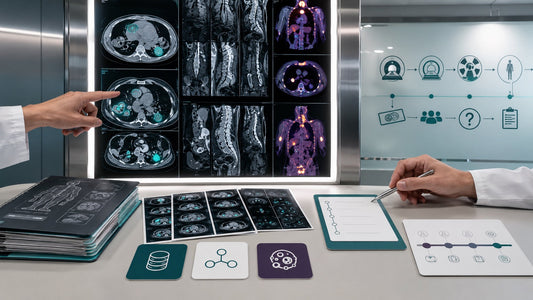
China oncology MDT review for Canadian cancer patients refers to a multidisciplinary case review in which different cancer-related specialists may assess diagnosis, pathology, imaging, staging, treatment options, rehabilitation needs and follow-up planning. MDT stands for multidisciplinary team. It is not a treatment by itself. It is a structured way to review a cancer case from more than one medical perspective.
For Canadian cancer patients and families, an MDT review may be considered when the diagnosis is complex, the stage is uncertain, several treatment options are possible, or the patient wants an international second opinion before making an important decision. China may be one destination to explore for selected non-emergency cases through oncology departments, cancer specialty hospitals, international medical departments and cross-border case review pathways.
An oncology MDT in China should be considered complementary. It does not replace your Canadian oncologist, local emergency care, or ongoing treatment plan. Patients should continue consulting qualified healthcare professionals before making cancer treatment decisions.
What Is an Oncology MDT?
An oncology MDT is a case discussion that may involve several cancer-related specialties. Depending on the cancer type and hospital, the team may include medical oncology, surgical oncology, radiation oncology, radiology, pathology, interventional medicine, rehabilitation, nutrition, pain care or other related specialties.
The goal is to reduce fragmented decision-making. Instead of reviewing the cancer from only one angle, an MDT may consider diagnosis, tumour location, stage, biomarkers, treatment history, surgical feasibility, radiation options, systemic therapy, quality of life, rehabilitation and follow-up needs.
For some patients, MDT review may confirm the current plan. For others, it may identify questions that should be discussed further. It should not be viewed as a guarantee that a new or better treatment will be found.
Why Canadian Cancer Patients May Consider MDT Review Abroad
The Canadian Cancer Society explains that patients can ask for a second opinion anytime during diagnosis or treatment, and that asking for one is common. Some patients seek another opinion for reassurance, while others want additional clarity before deciding on surgery, radiation, systemic therapy or supportive care.
Canadian patients may consider an international MDT review when they want to understand:
- Whether the cancer diagnosis is complete and clearly documented
- Whether pathology and imaging should be reviewed again
- Whether the cancer stage is fully assessed
- Whether surgery, radiation, chemotherapy, targeted therapy or immunotherapy has been considered appropriately
- Whether rehabilitation, nutrition or supportive care should be added to the plan
- Whether selected advanced medicines or devices may require eligibility review
- How to ask better questions of the local oncology team in Canada
CIHI reported that median wait times for most cancer surgeries increased by 1 to 5 days between 2019 and 2024, with prostate cancer surgery showing the largest increase among reported cancer surgeries. While these figures do not mean every patient should seek care abroad, they show why some families are highly sensitive to timing and clarity during cancer decision-making.
When China Oncology MDT May Be Relevant
China oncology MDT review may be relevant for selected Canadian patients when the case requires more than a single-specialty opinion. This can happen in both newly diagnosed and previously treated cancers.
Possible Situations Include:
- New cancer diagnosis with uncertainty about next steps
- Advanced or recurrent cancer requiring complex decision-making
- Rare tumour type or unusual pathology
- Unclear imaging findings or staging questions
- Need to compare surgery, radiotherapy, systemic therapy or interventional options
- Need for rehabilitation or supportive care planning after treatment
- Family request for a broader international oncology perspective
China is not appropriate for every cancer patient. Patients who are medically unstable, require urgent local care, or cannot safely travel should prioritize care in Canada. In many cases, the first step is not travel but record preparation and case review.
What Records Are Needed for Oncology MDT Review?
An oncology MDT is only as useful as the information available. Complete records help reviewers understand the cancer type, stage, prior treatment and current medical question.
Canadian Patients Should Prepare:
- Diagnosis summary and cancer timeline
- Pathology reports from biopsy or surgery
- Imaging reports such as CT, MRI, PET/CT, ultrasound or mammography
- Original imaging files when available
- Staging information
- Molecular, genomic or biomarker testing results, if available
- Surgery notes, procedure reports or discharge summaries
- Chemotherapy, radiotherapy, targeted therapy or immunotherapy history
- Medication list, allergies and current symptoms
- Recent blood tests, tumour markers and organ function reports
- Current treatment recommendation from Canada
- Specific questions the patient wants the MDT to answer
For cancer cases involving advanced medicines, medical devices, Boao Lecheng-related pathways, cell-related care or experimental options, record accuracy is especially important. Treatment suitability depends on cancer type, stage, biomarkers, prior treatment, general health and physician assessment. Availability may vary by hospital, doctor, regulation and patient eligibility.
What Questions Can an MDT Help Clarify?
An MDT review is most useful when the patient has specific questions. Vague requests such as “Can China treat my cancer?” are less helpful than structured questions linked to records.
Useful questions may include:
- Is the diagnosis and cancer subtype clear?
- Is the stage complete based on available imaging?
- Are additional tests or biomarker results important?
- Is surgery appropriate, or should other treatment be considered first?
- Is radiotherapy relevant to this case?
- Are targeted therapy or immunotherapy questions relevant?
- Is interventional oncology or local treatment worth discussing?
- What rehabilitation, nutrition or supportive care should be planned?
- What follow-up documentation should be brought back to Canada?
The best MDT review is not about searching for dramatic promises. It is about improving clarity, helping families understand trade-offs and supporting better-informed medical discussions.
How China Oncology MDT May Work
The exact process varies by hospital and case type. However, a China-based MDT pathway for a Canadian patient may involve several stages.
Step 1: Initial Case Intake
The patient or family submits a diagnosis summary, medical records and key questions. This helps determine whether the case may be suitable for China-based review.
Step 2: Record Organisation and Translation
Key documents may need to be organised, summarised or translated. Pathology, imaging, treatment history and biomarker reports are often high priority.
Step 3: Hospital or Department Matching
The case may be matched with an oncology department, cancer specialty hospital, international medical department, surgical oncology team, radiation oncology pathway, interventional oncology group or supportive care programme.
Step 4: Specialist or MDT Review
Depending on hospital process and case suitability, the case may be reviewed by one specialist or by multiple specialties. The patient may receive a written opinion, consultation summary or next-step recommendation where available.
Step 5: Follow-Up Planning
After review or consultation, documents should be organised for discussion with Canadian healthcare providers. This may include summaries, imaging interpretations, test results and follow-up suggestions.
How medChina.global Helps Canadian Cancer Patients
medChina.global helps Canadian patients explore China-based oncology MDT and second opinion pathways in a structured, non-emergency way. We are not a hospital and do not diagnose, treat or guarantee outcomes. Our role is to help patients prepare records, clarify questions, explore hospital directions and coordinate practical next steps where appropriate.
Our support may include:
- Clarifying the cancer review question
- Helping organise pathology, imaging and treatment history
- Identifying whether translation or summary preparation may be needed
- Exploring relevant China oncology directions
- Supporting hospital and department matching
- Helping prepare questions for specialist or MDT review
- Supporting post-review documentation planning
What China Oncology MDT Cannot Promise
Patients should approach MDT review with realistic expectations. An MDT review may provide additional insight, but it cannot guarantee a specific outcome.
China oncology MDT cannot promise:
- A cure
- Improved survival
- A different treatment plan
- Access to every medicine or device
- Eligibility for special medical pathways
- Hospital acceptance or doctor availability
- Replacement of Canadian oncology care
Patients should not stop, delay or change cancer treatment without advice from qualified healthcare professionals.
FAQ: China Oncology MDT for Canadian Cancer Patients
What does MDT mean in cancer care?
MDT means multidisciplinary team. In cancer care, it may involve several specialists reviewing one case together, such as oncologists, surgeons, radiologists, pathologists and rehabilitation specialists.
Can Canadian cancer patients request a China oncology MDT review?
Selected patients may explore China-based oncology review depending on cancer type, stage, records, hospital process, physician availability and medical suitability.
Do I need to travel to China for MDT review?
Not always. Some patients may begin with record preparation and case review before deciding whether travel is appropriate. The process depends on the hospital and case.
What records are most important?
Pathology reports, imaging reports and files, staging information, biomarker results, treatment history, current treatment plan and patient questions are especially important.
Can an MDT review change my cancer treatment plan?
It may confirm the current plan, raise additional questions, or suggest discussion of other options. It cannot guarantee a different plan or outcome.
Does medChina.global provide cancer treatment?
No. medChina.global does not diagnose or treat cancer. We help Canadian patients explore China-based review pathways and prepare for responsible case assessment.
Final Thoughts
China oncology MDT review may help selected Canadian cancer patients explore a broader, multidisciplinary perspective on diagnosis, pathology, imaging, staging, treatment planning and supportive care. Its value is in structure, clarity and specialist coordination, not in guaranteed outcomes.
The safest first step is to organise cancer records and define the questions that need review. From there, medChina.global can help explore whether a China-based oncology MDT pathway may be relevant for the patient’s case.
This article is for informational purposes only and does not replace professional medical advice. Patients should consult qualified healthcare professionals before making treatment decisions.
Tags:
Previous
Cancer Second Opinions Abroad for Canadian Patients: When to Consider China
Next
Lung Cancer Treatment Options in China for Canadian Patients: Second Opinions, Biomarker Review and Care Planning