
Boao Lecheng Medical Devices: What Canadian Patients Should Know Before Exploring China Options
Boao Lecheng medical devices refer to selected imported medical devices that may be used within the Boao Lecheng International Medical Tourism Pilot Zone in Hainan, China, under regulated urgent clinical need or special-permission pathways. For Canadian patients, this does not mean automatic access to any device. It means that selected patients may explore whether a China-based hospital, doctor and regulatory pathway is medically relevant to their case.
Boao Lecheng is one of China’s most distinctive international medical zones. It is known for medical tourism, urgent clinical need access to selected imported drugs and medical devices, and real-world data research. China’s National Medical Products Administration has described progress in regulating drugs and medical devices in urgent clinical need for import and in applying clinical real-world data in the zone. NMPA
For Canadian patients, Boao Lecheng medical device pathways may be relevant in selected areas such as ophthalmology, cardiovascular care, rehabilitation, oncology, diagnostics, rare disease, orthopedics or other specialty fields. However, every case requires diagnosis review, medical records, physician assessment, hospital acceptance, regulatory process and patient eligibility.
What Makes Boao Lecheng Different?
Boao Lecheng International Medical Tourism Pilot Zone is located in Hainan, China. It was created as a pilot area for international medical tourism and healthcare innovation. Official Hainan information describes Lecheng as a medical zone that brings together high-end medical tourism services, licensed medical practice, rehabilitation, health management and access to urgently needed medicines and devices. Hainan Government
One important feature is that approved medical institutions in the zone may apply to use selected imported medicines and medical devices that are urgently needed for clinical use and not yet registered in mainland China, subject to regulation and approval procedures.
This pathway is not the same as buying a device directly. It is a medical-use pathway connected to a specific patient, doctor, hospital, clinical need, regulatory process and follow-up plan.
What Does “Special-Permission Medical Device” Mean?
A special-permission medical device pathway means that a device may be reviewed for use under a regulated framework when there is a specific clinical need. It does not mean the device is available to every patient, every hospital, or every disease category.
For Canadian patients, a responsible device review usually asks:
- What diagnosis or clinical problem does the patient have?
- Is there a device-related pathway that may be relevant?
- Is the patient medically suitable for the device or procedure?
- Which Boao Lecheng hospital or specialist department can review the case?
- What regulatory and hospital process applies?
- What are the risks, limitations and follow-up needs?
- Can the patient’s Canadian healthcare providers understand the records afterward?
The correct question is not “Can I get this device in China?” The safer question is: Can my case be reviewed by an appropriate physician and hospital to determine whether a Boao Lecheng device pathway is medically suitable?
Which Medical Fields May Be Relevant?
Boao Lecheng medical device pathways may be explored across several medical fields. The specific device, hospital and eligibility requirements vary by specialty.
Ophthalmology
Eye care is one of the areas where international patients may ask about advanced devices or technologies. This may include complex cataract, corneal disease, glaucoma, retinal disease, artificial cornea-related questions, intraocular lenses or other specialty ophthalmic devices, depending on hospital review and device availability.
Cardiovascular Care
Some cardiovascular patients may explore device-related questions for valve disease, rhythm disorders, vascular conditions, structural heart disease or other specialist pathways. Suitability depends on imaging, heart function, comorbidities, prior procedures and physician assessment.
Rehabilitation and Neurological Recovery
Rehabilitation-related devices may be relevant for selected patients with stroke recovery, spinal injury, neurological disease, orthopedic recovery or post-surgery rehabilitation needs. These may include robotics, mobility support, neuromodulation-related questions or other technologies where available and clinically appropriate.
Oncology and Interventional Care
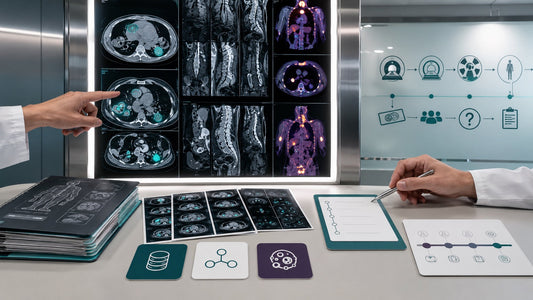
Cancer patients may ask about interventional oncology tools, diagnostic devices, local treatment technologies or supportive care devices. These questions must be reviewed according to cancer type, stage, imaging, pathology, prior treatment and general health.
Diagnostics and Specialty Testing
Some device pathways may relate to diagnostic imaging, molecular diagnostics, monitoring technologies or specialty assessment tools. These are not treatment guarantees, but may support diagnosis, staging, planning or follow-up in selected situations.
Why Canadian Patients May Be Interested
Canadian patients may become interested in Boao Lecheng medical devices when they are searching for additional options beyond their current pathway. This may happen in complex eye disease, cardiovascular disease, cancer, rare disease, rehabilitation, neurological recovery or other specialist conditions.
Patients may ask:
- Is there an advanced device relevant to my condition?
- Does China have a hospital or department that can review my case?
- Can my imaging or diagnostic reports be assessed before travel?
- Is the device approved elsewhere but not yet widely available in mainland China?
- What risks and follow-up requirements should I understand?
- Can I receive written documentation for doctors in Canada?
These questions are reasonable, but they must be answered through medical review. A device should not be selected based on online promotion, social media claims or a general promise of advanced technology.
What Records Canadian Patients Should Prepare
Medical device review depends heavily on accurate records. The device may be relevant only if the patient’s diagnosis, anatomy, disease stage, previous treatment and current health status meet specific requirements.
Core Records to Prepare
- Diagnosis summary and medical timeline
- Specialist consultation notes from Canada
- Imaging reports and original imaging files where available
- Pathology or biopsy reports, if relevant
- Functional assessments, if rehabilitation is involved
- Cardiac tests, eye tests or specialty measurements where relevant
- Previous surgery, procedures or device history
- Medication list, allergies and major comorbidities
- Recent blood tests and organ function reports, if relevant
- Current recommendation from Canada
- Specific questions about device suitability or eligibility
For ophthalmology, original eye imaging and measurements may be important. For cardiovascular devices, echocardiography, CT, angiography, ECG or procedure notes may be needed. For rehabilitation devices, functional limitations and recovery goals should be clearly documented.
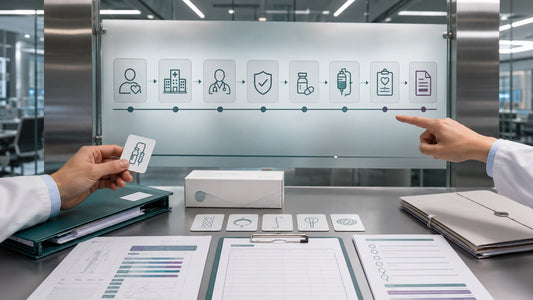
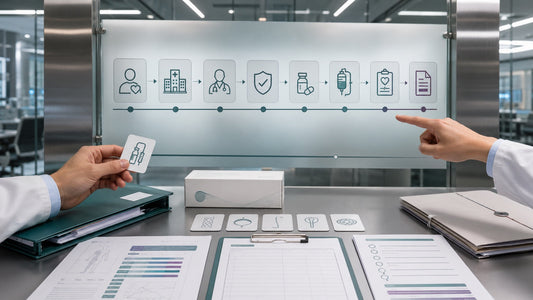
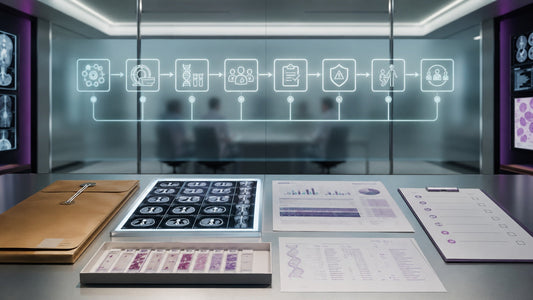
How a Boao Lecheng Device Review May Work
The exact process depends on the hospital, specialty and device type. However, a responsible pathway usually follows several stages.
Step 1: Define the Clinical Need
The patient and coordination team clarify the main medical problem and why a device-related pathway is being explored.
Step 2: Organise Medical Records
Records are collected, summarised and translated where needed. Incomplete records can limit device eligibility review.
Step 3: Match the Case With a Department
The case may need ophthalmology, cardiology, rehabilitation medicine, oncology, orthopedics, neurology, diagnostics or another specialty department.
Step 4: Physician-Led Suitability Review
A qualified physician or medical team reviews whether the patient’s condition, anatomy, risks and goals align with a possible device pathway.
Step 5: Regulatory and Hospital Process
If the device pathway appears relevant, the hospital may need to follow specific application, documentation, consent, import, storage, use and monitoring procedures.
Step 6: Follow-Up Planning
Patients should understand what records, device information, procedure notes, monitoring instructions and follow-up recommendations they will need after returning to Canada.
Real-World Data and Medical Devices in Lecheng
Boao Lecheng is also linked to real-world data and real-world evidence. A 2023 article in Frontiers in Pharmacology describes the zone as a unique opportunity for innovative medical devices to gain faster market access in China by using real-world data collected in the pilot zone under regulatory requirements. Frontiers in Pharmacology
For patients, this does not mean experimental devices are freely available. It means the zone is part of a regulated medical innovation environment where clinical use, evidence collection, safety and policy are connected.
How medChina.global Helps Canadian Patients
medChina.global helps Canadian patients explore China-based medical pathways, including possible Boao Lecheng medical device review, in a structured, non-emergency way. We are not a hospital and do not diagnose, treat, prescribe, implant devices or guarantee access.
Our support may include:
- Clarifying the patient’s diagnosis and device-related question
- Helping organise records for China-based review
- Identifying whether Boao Lecheng may be relevant
- Exploring suitable hospital or specialty directions
- Helping prepare questions for physician-led eligibility review
- Supporting appointment, language and documentation preparation
- Helping plan post-visit documents for follow-up in Canada
What Boao Lecheng Medical Devices Cannot Promise
Canadian patients should approach any device-related pathway with realistic expectations. Boao Lecheng medical device review cannot guarantee:
- Access to a specific device
- Eligibility for a device pathway
- A cure or improved outcome
- A different treatment plan
- Hospital acceptance or doctor availability
- Lower cost than other destinations
- Replacement of Canadian medical care or follow-up
Patients should not stop, delay or change care in Canada without professional medical advice.
Questions Canadian Patients Should Ask
- What device-related question am I trying to answer?
- Is my diagnosis clearly documented?
- Do I have imaging or measurements needed for device review?
- Which hospital or department would review my case?
- What risks and alternatives should I understand?
- What regulatory or hospital process applies?
- What follow-up is required after returning to Canada?
- Will I receive clear documentation for my Canadian doctors?
- Am I being promised access too early, before review?
FAQ: Boao Lecheng Medical Devices for Canadian Patients
Can Canadian patients access Boao Lecheng medical devices?
Selected Canadian patients may explore Boao Lecheng-related medical device pathways, but access is not guaranteed. Eligibility depends on diagnosis, records, hospital review, physician assessment, regulation and device availability.
Can patients choose a device directly?
No. Device use must be linked to medical need, hospital review, physician assessment and regulatory process. Patients should not treat this as direct purchasing.
Which specialties may involve medical devices?
Possible areas include ophthalmology, cardiovascular care, rehabilitation, oncology, orthopedics, neurology, diagnostics and rare disease-related care, depending on device availability and patient eligibility.
Do I need medical records first?
Yes. Records are essential. Imaging, diagnosis, prior treatment history, functional assessments and specialist notes help determine whether review is possible.
Does Boao Lecheng guarantee advanced device access?
No. Special-permission pathways do not guarantee access, suitability or outcomes. A case review is required before any decision.
Can medChina.global guarantee device access?
No. medChina.global does not diagnose, treat, prescribe, implant devices or guarantee access. We help Canadian patients explore China-based pathways and prepare for responsible review.
Final Thoughts
Boao Lecheng medical devices may be relevant for selected Canadian patients exploring China-based medical options, especially when an advanced device, specialty technology or diagnostic pathway may be clinically relevant. However, the pathway is regulated, case-based and medically controlled.
The safest first step is to organise records, define the device-related medical question and explore whether Boao Lecheng is relevant to the patient’s diagnosis and eligibility. medChina.global can help Canadian patients prepare for responsible China-based case review.
This article is for informational purposes only and does not replace professional medical advice. Patients should consult qualified healthcare professionals before making treatment decisions.
Tags:
Previous
Boao Lecheng Special-Permission Drugs for International Patients: What Canadian Patients Should Know
Next
How to Evaluate Access to Advanced Medicines in China: A Guide for Canadian Patients