
Cancer Treatment Options in China for Canadian Patients: Second Opinions, MDT Review and Care Planning
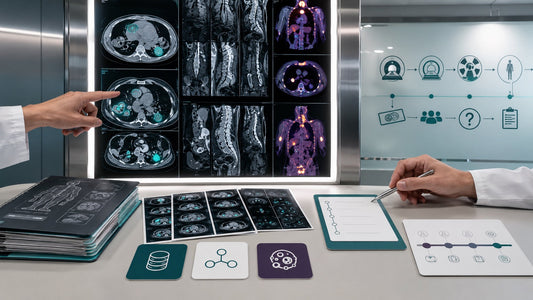
Cancer treatment options in China for Canadian patients may include oncology second opinions, multidisciplinary team review, imaging and pathology reassessment, treatment planning, rehabilitation support, and case-by-case evaluation of selected advanced medicines or medical devices. These options should be understood as complementary pathways for selected non-emergency cases, not as a replacement for cancer care in Canada.
After a cancer diagnosis, patients and families often want more clarity. They may want to confirm the diagnosis, understand staging, compare treatment options, review pathology, ask whether surgery is appropriate, or explore whether targeted therapy, immunotherapy, radiotherapy, interventional treatment, rehabilitation or supportive care may be relevant.
China may be considered by some Canadian patients because of its large hospital systems, oncology departments, specialist teams, international medical departments, Boao Lecheng-related medical resources, and cross-border medical coordination pathways. However, suitability depends on the cancer type, stage, prior treatment, medical records, general health, travel readiness and physician assessment.
Why Canadian Cancer Patients May Explore Options Abroad
Canadian cancer patients may explore international medical options for several reasons. Some are waiting for consultations, imaging, pathology review, surgery, radiation therapy or systemic treatment decisions. Others want a second opinion before starting a major therapy. Some have advanced, recurrent or rare cancer and want to understand whether additional medical pathways exist.
The Canadian Cancer Society explains that patients may ask for a second opinion anytime during diagnosis or treatment, and that requesting one is common. A second opinion can help patients feel more informed and supported when making cancer care decisions.
Patients may look abroad when they want to ask:
- Is my cancer diagnosis and stage clearly confirmed?
- Should my pathology or imaging be reviewed again?
- Are there other treatment pathways I should understand?
- Could a multidisciplinary team review help clarify the plan?
- Are targeted therapy, immunotherapy or clinical-style eligibility questions relevant?
- What rehabilitation, nutrition or supportive care may help after treatment?
- How can I compare international options without delaying necessary care?
These questions should be handled carefully and in coordination with qualified healthcare professionals.
What “Cancer Treatment Options in China” Really Means
For Canadian patients, “cancer treatment options in China” should not be understood as a guaranteed treatment, miracle cure or one-size-fits-all solution. A responsible China oncology pathway usually starts with records and review.
Depending on the case, it may involve:
- Medical record organisation
- Pathology report review
- Imaging review and staging discussion
- Oncology specialist second opinion
- Multidisciplinary team, or MDT, discussion
- Surgery, radiotherapy, chemotherapy, targeted therapy or immunotherapy pathway review
- Eligibility review for selected medicines or devices where legally and medically appropriate
- Rehabilitation, nutrition, pain control and supportive care planning
- Follow-up documentation for continued care in Canada
The exact pathway depends on the patient’s cancer type, records, stage and goals.
Common Cancer Types Canadian Patients May Seek Review For
Canadian patients may explore China-based review for many cancer types. Common examples include:
- Lung cancer
- Breast cancer
- Liver cancer
- Colorectal cancer
- Gastric cancer
- Prostate cancer
- Pancreatic cancer
- Gynecologic cancers
- Lymphoma
- Head and neck cancers
- Rare or complex tumours
For each cancer type, the medical question may be different. A lung cancer patient may focus on molecular testing and systemic therapy options. A breast cancer patient may focus on surgery, systemic therapy and reconstruction planning. A liver cancer patient may ask about surgery, interventional therapy, ablation or systemic treatment. A colorectal cancer patient may need integrated review by gastrointestinal surgery, medical oncology, radiology and pathology.
Key Records Needed for China Oncology Review
Cancer case review depends heavily on documentation. Without accurate records, it is difficult for any oncology team to assess the case responsibly.
Canadian Patients Should Prepare:
- Diagnosis summary and cancer timeline
- Pathology reports, including biopsy or surgical pathology
- Imaging reports such as CT, MRI, PET/CT, ultrasound or mammography
- Original imaging files where available
- Staging information
- Molecular or genetic testing results, if available
- Surgery notes or procedure reports
- Chemotherapy, radiation therapy, targeted therapy or immunotherapy history
- Medication list, allergies and current symptoms
- Recent blood tests, tumour markers and organ function reports
- Current treatment plan and unanswered questions
For advanced medicines, special medical devices, Boao Lecheng-related pathways, targeted therapy, immunotherapy, cell-related treatment or experimental options, records must be reviewed case by case. Availability may vary by hospital, doctor, regulation and patient eligibility.
What Is an Oncology MDT Review?
An oncology MDT, or multidisciplinary team review, is a process where specialists from different cancer-related fields may discuss a patient’s case. Depending on the hospital and cancer type, this may involve medical oncology, surgical oncology, radiation oncology, radiology, pathology, interventional medicine, rehabilitation, nutrition or other specialties.
For Canadian patients, an MDT review may be useful when:
- The diagnosis or stage is uncertain
- The patient is deciding between surgery, radiation or systemic therapy
- The cancer is recurrent, advanced or complex
- Pathology or imaging needs reassessment
- The treatment plan affects quality of life significantly
- The family wants a more complete discussion of options
An MDT review does not guarantee a different treatment plan. Its value is in helping patients and families better understand the case from multiple perspectives.
Boao Lecheng and Advanced Oncology Options
Some Canadian patients ask whether China offers access to medicines or devices that may not be available or easily accessible in their current pathway. Boao Lecheng in Hainan is known for selected special-permission medical resources under regulated conditions.
For cancer patients, this may be relevant only in selected cases. It is not a general promise of access. Eligibility depends on the patient’s diagnosis, biomarkers, medical history, physician assessment, hospital process, regulation and available medical resources.
Patients should be cautious of any provider claiming guaranteed access to advanced cancer medicines, cell therapy, experimental treatment or “cures.” A responsible pathway begins with medical record review and physician-led assessment.
How medChina.global Helps Canadian Cancer Patients
medChina.global helps Canadian patients explore China-based oncology pathways in a structured, non-emergency way. We are not a hospital and do not diagnose, treat or guarantee outcomes. Our role is to help patients organise records, clarify medical questions, and explore whether China-based hospital review may be relevant.
Step 1: Clarify the Cancer Question
Is the patient seeking diagnosis confirmation, pathology review, imaging review, treatment planning, advanced option eligibility, rehabilitation support or follow-up documentation?
Step 2: Organise Cancer Records
We help patients identify which oncology records are essential for China-based review, including pathology, imaging, treatment history and current medication information.
Step 3: Match the Case With a China Oncology Direction
Depending on the cancer type and stage, the case may be more relevant to a general oncology department, surgical oncology, radiation oncology, interventional oncology, specialist cancer hospital, international medical department or Boao Lecheng-related pathway.
Step 4: Prepare for Review, Consultation or Travel
Some patients may begin with remote case review or hospital matching. Others may later consider in-person consultation, testing, treatment planning or supportive care. Travel should be considered only after the medical direction is clearer.
Questions to Ask Before Exploring Cancer Care in China
- What is my confirmed cancer type and stage?
- Has my pathology been reviewed clearly?
- Are my imaging files and reports complete?
- What treatment has already been received?
- Am I seeking a second opinion, MDT review or treatment access assessment?
- Is my condition safe for travel?
- How will follow-up happen after returning to Canada?
- What risks should I discuss with my Canadian oncology team?
- Are advanced options subject to eligibility review?
What China Cancer Care Cannot Promise
Patients should avoid unrealistic expectations. China-based cancer review cannot guarantee:
- A cure
- A different treatment plan
- Access to every medicine or device
- Hospital acceptance
- Doctor availability
- Eligibility for special pathways
- Better outcomes than Canadian care
- Replacement of local oncology follow-up
Responsible cancer care requires careful review, realistic discussion and coordination with qualified healthcare professionals.
FAQ: Cancer Treatment Options in China for Canadian Patients
Can Canadian cancer patients get a second opinion in China?
Selected patients may explore China-based oncology second opinion or case review. Suitability depends on the cancer type, stage, medical records, hospital review and physician availability.
Does China cancer care replace my Canadian oncologist?
No. China-based review should be considered complementary. Patients should continue consulting qualified healthcare professionals and should not stop or change treatment without medical advice.
Do I need pathology reports for cancer review?
Yes. Pathology reports are often essential. Imaging, staging information, treatment history and molecular testing results may also be important.
Can I access advanced cancer medicines in China?
Possibly in selected cases, but access is not guaranteed. Availability depends on the patient’s condition, biomarkers, hospital review, physician assessment, regulation and eligibility.
Do I need to travel to China first?
Not necessarily. Many patients begin with records, case review and hospital matching before deciding whether travel is appropriate.
Can medChina.global guarantee cancer treatment results?
No. medChina.global does not diagnose, treat or guarantee outcomes. We help Canadian patients explore China-based medical pathways and prepare for responsible review.
Final Thoughts
Cancer treatment options in China for Canadian patients should be approached with caution, structure and realistic expectations. For some patients, China may offer a relevant pathway for oncology second opinion, MDT review, imaging and pathology reassessment, hospital matching, rehabilitation support or selected advanced option eligibility review.
The safest first step is to organise cancer records and ask a clear medical question. From there, medChina.global can help explore whether a China-based oncology pathway may be appropriate for the patient’s case.
This article is for informational purposes only and does not replace professional medical advice. Patients should consult qualified healthcare professionals before making treatment decisions.
Tags:
Previous
Best Countries for Medical Tourism from Canada: Where Does China Fit?
Next
Cancer Second Opinions Abroad for Canadian Patients: When to Consider China