







Professor Fengxi Su — Breast Cancer Surgery and Breast Conservation

BREAST CONSERVATION · INDIVIDUALIZED SURGICAL DECISIONS

Experience focused on the decisions that matter to you

Choosing breast cancer surgery means weighing cancer treatment, your body and life after treatment. Professor Fengxi Su’s documented clinical and academic work includes breast conservation, surgical margin assessment and oncoplastic approaches.

His background offers a specific reason to explore a specialist opinion when you want a clearer explanation of your surgical choices.

40 years in breast care and more than 10,000 breast operations reported by Sun Yat-sen University in 2020 • Co-author of the 2021 CSBrS breast-conserving surgery guideline.

These historical experience figures describe his professional background, not an individual patient’s expected outcome.

Sources: Sun Yat-sen University profile (2020) · CSBrS guideline (2021)

Ask about consultation availability

When a specialist surgical opinion may help

You may want a more detailed discussion if you have been advised to have a mastectomy, are unsure whether breast conservation is suitable, worry about breast shape after surgery, or need to understand a margin or lymph-node recommendation.

Bring the recommendation you already have and the question you most need answered. A useful second opinion should explain both the options and the reasons an option may not be suitable. It may also confirm your current plan.

Review your existing recommendation and the question you need answered.

Why consider Professor Su for a breast surgery opinion?

Long-standing clinical focus. A 2020 university profile documented four decades in breast care and substantial surgical experience.

Specialty development. The same profile records his establishment of a breast specialty group and subsequent co-establishment of the breast tumour specialty with Erwei Song.

Guideline contribution. He is a named co-author of the 2021 Chinese Society of Breast Surgery guideline on breast-conserving surgery.

A focused publication record. The selected work below examines practical surgical questions, including margin assessment and breast reshaping. These contributions help explain his professional focus; they are not a ranking against other surgeons.

A documented contribution: co-author of the 2021 CSBrS breast-conserving surgery guideline.

Four questions to discuss before surgery

Understand the choices. Explore research co-authored by Professor Su.

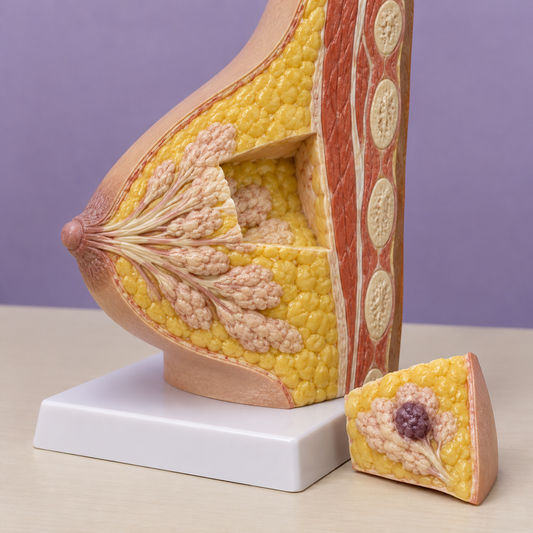
Can I keep my breast?

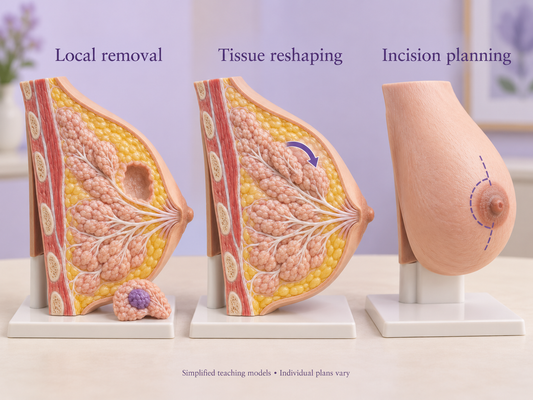
Remove the tumour with surrounding tissue while preserving the rest of the breast, when suitable.

Su’s co-authored guideline · 2021

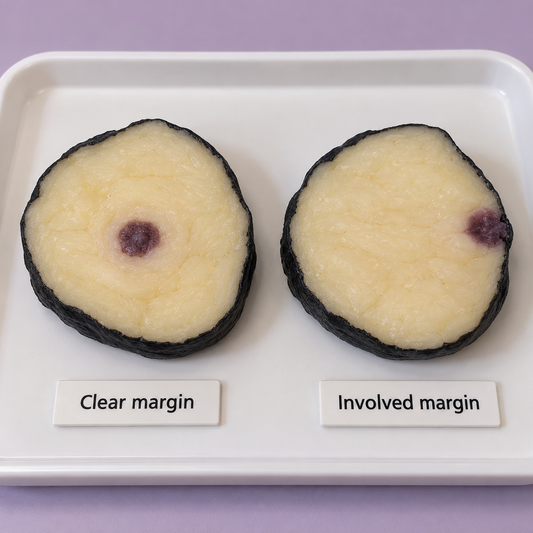
Are the edges clear?

Check whether cancer reaches the edge of removed tissue—and whether more surgery is needed.

Su’s co-authored trial · 2019

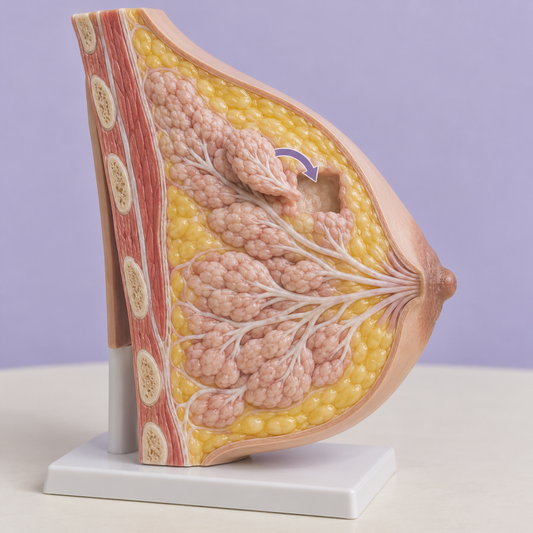
How is shape preserved?

Plan cancer removal and breast reshaping together, with realistic expectations about appearance and scars.

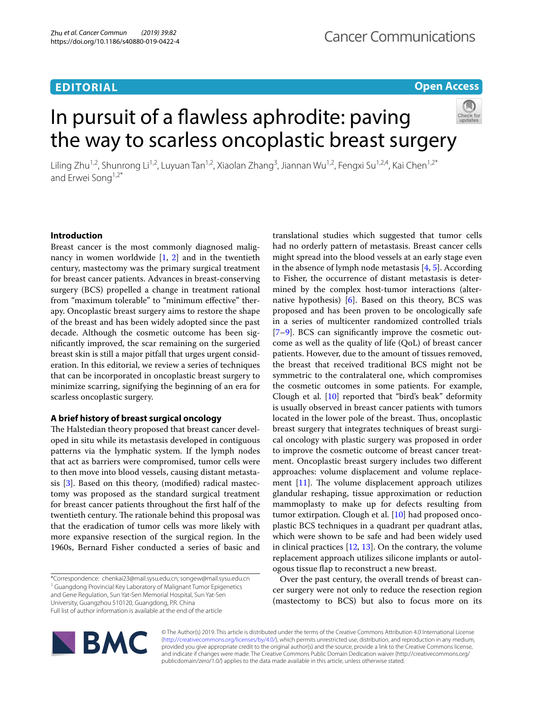
Su’s co-authored editorial · 2019

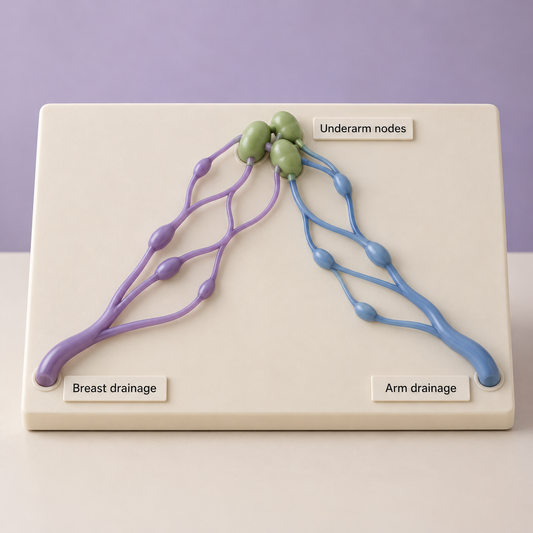
What about my lymph nodes?

Assess underarm lymph nodes and discuss how treatment may affect arm drainage and swelling risk.

Su’s co-authored safety study · 2011

Teaching models show simplified concepts. Suitability and outcomes depend on your case. Linked papers differ in date and study design.

Can I preserve my breast after a mastectomy recommendation?

Sometimes a further review can clarify whether another option is reasonable. It cannot establish suitability without reviewing your diagnosis and imaging.

Ask why mastectomy was recommended, whether the extent of disease or previous treatment limits breast conservation, and how radiation would fit into the plan. Mastectomy may still be the appropriate recommendation. The purpose of another opinion is an understandable, case-specific decision.

Ask about a surgical options review

Discuss why each surgical option may or may not fit your diagnosis.

Margins: what “clear edges” means for your operation

A margin is the edge of tissue removed during surgery. Pathology helps determine whether cancer is present at that edge. Ask how findings during surgery and the final pathology report may affect the next step.

A 2012 study in Professor Su’s publication record examined cavity-margin assessment in 422 patients. A later randomized study of 181 patients tested circumferential cavity shaving and did not show a statistically significant reduction in the overall margin-positivity rate.

The practical question is which assessment is appropriate for your case—not whether one technique can guarantee a single operation.

Tissue examination helps the team understand the edges of the removed specimen.

Oncoplastic surgery: planning removal and breast shape together

Oncoplastic breast-conserving surgery combines tumour removal with techniques to reshape the remaining breast. Professor Su is a co-author of a 2019 editorial discussing developments in this field.

Ask what tissue would be removed, how reshaping would be performed, where scars may lie, and whether surgery to the other breast would be discussed. Breast reconstruction after mastectomy is a different pathway: it recreates breast shape after removal rather than preserving the original breast.

A technique described as “scarless” does not establish that surgery leaves no scars. The 2019 article is an editorial, not proof of a guaranteed cosmetic result.

Discuss breast shape, planned incisions and realistic expectations before choosing an oncoplastic approach.

Lymph-node decisions matter for life after surgery

Ask why lymph-node surgery is being recommended and what the result could change in your treatment. Sentinel-node biopsy and axillary dissection are different procedures with different extents of surgery.

Your discussion should include arm swelling, shoulder movement and how to seek help after treatment. The appropriate approach depends on your disease and treatment history; a smaller procedure is not suitable in every situation.

Include shoulder movement and arm-related concerns in treatment discussions.

A surgical decision belongs in a complete treatment plan

Before choosing an operation, ask how the surgical plan fits with pathology, imaging, radiation and any drug treatment. If reshaping or reconstruction is relevant, ask which clinicians would perform each part.

Confirm who is responsible for reviewing your records, explaining the recommendation and coordinating the next step. The treating hospital and participating clinicians should be identified before you make travel or treatment commitments.

Clarify how surgery fits with the rest of your treatment and who coordinates each step.

Selected contributions behind the surgical questions

2021 · Breast-conserving surgery guideline. Professor Su is a co-author of the CSBrS guideline. This documents a contribution to professional guidance, not sole authorship.

2012 · Cavity-margin assessment. A retrospective study of 422 patients evaluated an intraoperative assessment approach. Its results should be read in the context of that patient group and study design.

2019 · Cavity-shaving randomized trial. A 181-patient trial did not demonstrate a statistically significant overall reduction in margin positivity. Reporting that finding is part of evidence-based decision-making.

2019 · Oncoplastic surgery editorial. A co-authored discussion of evolving techniques, rather than a clinical trial of outcomes.

Read the original publications to see what was studied, what was found and what remains uncertain.

Publication image: Zhu et al., Cancer Communications (2019), 39:82. First page reproduced unchanged under CC BY 4.0. Read the original editorial.

What a useful surgical explanation should make clear

“I was advised to have a mastectomy.” Ask for the case-specific reason and whether any alternative is reasonable.

“I am worried about breast shape.” Ask what can realistically be preserved or reshaped and what trade-offs to expect.

“My report mentions the margin.” Ask what the finding means and which next steps are being considered.

“I am worried about my arm.” Ask how the proposed lymph-node treatment could affect function and follow-up.

These are consultation prompts, not patient case reports or promises of a particular recommendation.

Bring your questions about the recommended operation, breast shape, margins and arm function.

RECOVERY AND DAILY LIFE

Include recovery in the decision—not only the operation

Before treatment, ask about wound care, pain, shoulder movement, support at home and the timing of follow-up. Discuss work, caring responsibilities and travel so that the practical plan reflects your life.

Ask which symptoms need urgent attention, whom to contact and how your local clinicians will receive the treatment information. Recovery needs and timelines vary with the operation and additional treatment.

Sources: NCI: breast cancer surgery

Prepare your recovery questions

Plan recovery around your daily life and support needs.

Start with your question before planning travel

Tell medChina your country, preferred language, a brief description of your diagnosis and the question you would like to discuss.

Before booking travel, obtain confirmation of the consultation format, named clinician, hospital, fees, interpreter arrangements and any records required. Availability and suitability need to be confirmed for your case.

Use the initial enquiry for contact details and a brief question. Request an approved secure route before sending identifiable medical records.

Ask about consultation arrangements

Confirm consultation arrangements and required records before planning travel.

Questions before you decide

What is Professor Su’s documented focus?

Will Professor Su personally review my case or perform my operation?

Can anyone guarantee that I can keep my breast?

Does oncoplastic surgery mean there will be no scars?

Can I receive an opinion before travelling?

What should I prepare?

What will an enquiry achieve?

Write down your questions before contacting the consultation team.

Your privacy matters

Your initial enquiry goes to medChina. Share only a brief question and contact details; medical records should follow through a confirmed secure channel.

Send a Consultation Enquiry to medChina

Include your country or region, preferred language and main question in the message. Please do not attach or paste identifying medical records. Read our privacy policy.