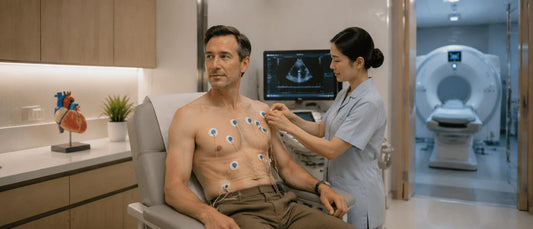

Cancer Screening
,
Cardiovascular Risk
,
China Health Screening
,
Comprehensive Health Checkup
,
Health Assessment
,
Medical Travel China
,
Preventive Care
,
U.S. Patients
Comprehensive Health Checkup in China: A Preventive Care Guide for U.S. Patients
For many U.S. patients, health decisions are becoming more proactive. Instead of waiting for a serious diagnosis, more people want to understand their risks earlier, review abnormal findings carefully, and make informed decisions about prevention, follow-up care, and long-term wellness.
A comprehensive health checkup in China may be worth exploring for selected U.S. patients who want more than a basic physical exam. A comprehensive checkup may combine laboratory testing, imaging review, cardiovascular risk assessment, cancer screening discussion, metabolic health evaluation, lifestyle review, and physician interpretation into one coordinated pathway.
Unlike a simple test package, a comprehensive health checkup should be guided by medical history, age, symptoms, family history, risk factors, and personal health goals. It should help patients understand what the results mean, which findings require follow-up, and which next steps may be appropriate.
This guide explains what U.S. patients should know about comprehensive health checkups in China, how they differ from full body checkups and executive health programs, what may be included, what to prepare, and how medChina.global helps coordinate a responsible medical pathway before travel.
Explore Comprehensive Health Checkups in China
What Is a Comprehensive Health Checkup in China?
A comprehensive health checkup is a structured preventive health evaluation that reviews several areas of the body and connects the findings into a clearer medical picture. It may include blood tests, urine tests, imaging, heart health evaluation, metabolic screening, digestive health review, cancer risk discussion, and consultation with relevant medical professionals.
In China, comprehensive health checkups may be provided through hospitals, international medical departments, preventive health centers, health management programs, or private medical services. For U.S. patients, the value is not only the number of tests offered. The real value is coordination, interpretation, and follow-up planning.
A responsible comprehensive checkup does not claim to detect every disease. No screening program can do that. Instead, it helps identify risk factors, clarify abnormal results, and determine whether further specialist review may be needed.
Why U.S. Patients Explore Comprehensive Health Checkups Abroad
Many U.S. patients receive preventive care through annual physical exams, primary care visits, employer health benefits, or specialist referrals. These services can be valuable. However, some patients still feel that their care is fragmented across multiple providers, laboratories, imaging centers, and insurance networks.
Some patients want a more coordinated experience. Others want a second perspective on previous abnormal findings, a broader review of family health risks, or a structured plan before pursuing specialist consultations. Some U.S. families also want to combine health screening with medical travel, family visits, rehabilitation, second opinions, or long-term wellness planning.
Common reasons U.S. patients consider a comprehensive health checkup in China include:
- They want a broader review than a basic annual physical.
- They want risk-based screening rather than random testing.
- They want laboratory testing, imaging, and physician interpretation in one pathway.
- They have family history of cancer, heart disease, diabetes, stroke, or kidney disease.
- They want to understand abnormal test results more clearly.
- They want support with translation, hospital matching, appointments, and follow-up planning.
- They are exploring China as part of a larger medical travel or preventive health plan.
Comprehensive Health Checkup vs. Full Body Checkup
The terms “comprehensive health checkup” and “full body checkup” are sometimes used interchangeably, but they can mean different things.
A full body checkup often refers to a broad screening package that covers many organs and systems. It may focus on completing multiple tests in one schedule. This can be useful for patients who want a general overview of their health status.
A comprehensive health checkup should go further by emphasizing medical reasoning, risk assessment, interpretation, and follow-up planning. Instead of simply asking “How many tests are included?”, patients should ask “Why are these tests recommended for me, who will interpret them, and what happens if something is abnormal?”
For U.S. patients, this distinction matters. A bigger package is not always a better package. A comprehensive checkup should be appropriate for the patient’s age, medical background, symptoms, and risk profile.
Start With a Comprehensive Health Suitability Review
What May Be Included in a Comprehensive Health Checkup?
The exact content of a comprehensive health checkup in China should be individualized. A responsible program may include several of the following areas, depending on the patient’s medical needs and goals.
1. Medical History and Risk Profile Review
A meaningful checkup begins before testing. Patients should share medical history, family history, medications, allergies, prior surgeries, symptoms, lifestyle, sleep patterns, stress levels, smoking history, alcohol use, and previous abnormal findings. This information helps shape the screening plan.
2. Laboratory Testing
Laboratory testing may include complete blood count, liver function, kidney function, fasting glucose, HbA1c, cholesterol panel, thyroid function, urine analysis, inflammatory markers, vitamin levels, and other tests when clinically appropriate. The results should be interpreted in relation to the patient’s symptoms and risk profile.
3. Cardiovascular Risk Assessment
Cardiovascular review may include blood pressure assessment, cholesterol testing, ECG, echocardiogram, vascular ultrasound, coronary risk discussion, and cardiology consultation when appropriate. This may be relevant for patients with family history, high stress, diabetes risk, obesity, smoking history, or prior abnormal heart-related tests.
4. Metabolic Health Evaluation
Metabolic health is central to prevention. A comprehensive checkup may review diabetes risk, insulin resistance, fatty liver risk, weight trends, body composition, cholesterol patterns, nutrition, physical activity, and sleep. These findings may help patients understand long-term risks that develop quietly over time.
5. Cancer Risk and Screening Discussion
Cancer screening may be considered based on age, sex, family history, symptoms, prior test results, and physician judgment. This may involve imaging, endoscopy, ultrasound, laboratory markers, or specialist referral when appropriate. However, patients should understand that no screening plan can detect every cancer, and unnecessary testing may create false alarms or anxiety.
6. Imaging and Organ System Review
Imaging may include ultrasound, X-ray, CT, MRI, bone density testing, or other tools, depending on medical need. Advanced imaging should not be selected only because it sounds more complete. It should be chosen carefully, with consideration of benefit, radiation exposure, incidental findings, and follow-up requirements.
7. Digestive, Liver, Kidney, and Endocrine Health
A comprehensive checkup may include digestive health review, liver health, kidney function, thyroid health, and hormone-related evaluation when appropriate. Patients with symptoms, family history, abnormal labs, or chronic conditions may need specialist review rather than only a screening package.
8. Lifestyle, Sleep, Stress, and Preventive Planning
For many patients, the most important findings are not isolated test results but patterns: poor sleep, chronic stress, weight gain, metabolic risk, inactivity, high alcohol intake, or unmanaged blood pressure. A comprehensive checkup should help patients understand these patterns and plan realistic next steps.
Who May Benefit From a Comprehensive Health Checkup in China?
A comprehensive health checkup in China may be worth exploring for selected U.S. patients who want a coordinated preventive health review and are medically stable enough to travel.
Possible candidates include:
- Adults over 40 who want a structured preventive health evaluation.
- Patients with family history of cancer, heart disease, diabetes, stroke, kidney disease, or dementia.
- People with fatigue, poor sleep, weight gain, high stress, or metabolic concerns.
- Patients with abnormal test results who want a second perspective.
- Families planning health screening for parents, spouses, or adult children.
- U.S. patients combining health screening with specialist consultation, rehabilitation, or medical travel in China.
This pathway may not be suitable for everyone. Patients with acute symptoms, unstable medical conditions, recent major surgery, emergency concerns, or severe mobility limitations should consult their local physician before considering international travel.
Plan a China Comprehensive Health Checkup Review
What U.S. Patients Should Prepare Before Travel
Preparation helps make a health checkup more useful and reduces unnecessary testing. Before selecting a program, U.S. patients should organize their health information and clarify their goals.
Useful materials may include:
- Current health concerns and main goals for the checkup.
- Past medical history and family health history.
- Current medications and supplements.
- Allergies and prior surgeries.
- Recent blood tests, imaging, endoscopy, or specialist reports.
- Previous abnormal findings that need review.
- Vaccination and travel considerations when relevant.
- Preferred travel dates and expected length of stay.
- Questions you want the medical team to answer.
Patients should also plan how follow-up will be handled after returning to the United States. A checkup is only valuable if results are interpreted properly and followed up responsibly.
How medChina.global Helps U.S. Patients
medChina.global helps U.S. patients explore medical and preventive health options in China through a structured coordination process. We do not replace your doctor and we do not promise medical outcomes. Our role is to help you understand whether a China-based health checkup pathway may be appropriate for your situation.
For comprehensive health checkups, our support may include intake of health goals, preliminary suitability review, hospital or program matching, medical record preparation, translation support, appointment coordination, travel-related planning, and follow-up preparation.
We also help patients avoid unrealistic expectations. A responsible comprehensive checkup is not about buying the largest package. It is about selecting the right screening pathway and understanding what the results mean.
Questions to Ask Before Choosing a Program
Before choosing a comprehensive health checkup in China, U.S. patients should ask clear questions:
- Is this program appropriate for my age, symptoms, and risk profile?
- Who will review and explain the results?
- Can I receive an English medical summary?
- Are the imaging tests medically justified?
- What are the limits of this screening plan?
- What happens if an abnormal result is found?
- Can specialist consultations be arranged if needed?
- How will I follow up after returning home?
Frequently Asked Questions
Can U.S. patients get a comprehensive health checkup in China?
Yes. Some hospitals, international medical departments, and health management centers in China provide comprehensive health checkup programs for international patients. The appropriate program depends on medical history, goals, risk factors, language needs, and travel readiness.
Is a comprehensive health checkup better than a full body checkup?
Not always. A full body checkup may be useful for broad screening, while a comprehensive health checkup should place more emphasis on interpretation, risk assessment, and follow-up planning. The better option depends on the patient’s needs.
Can a comprehensive health checkup detect cancer early?
It may include cancer screening when appropriate, but no screening program can detect all cancers or guarantee early diagnosis. Screening should be selected based on age, family history, symptoms, and physician judgment.
How long does a comprehensive health checkup in China take?
The timeline depends on the program, tests included, specialist availability, and whether additional review is needed. Some pathways may be completed in a short period, while more complex evaluations may require additional days.
Should I travel to China before knowing which checkup I need?
No. U.S. patients should begin with a suitability review and health goal assessment before deciding whether travel is appropriate.
Explore Comprehensive Health Checkup Options for U.S. Patients
This article is for informational purposes only and does not replace medical advice, diagnosis, or treatment. Patients should consult qualified healthcare professionals before making medical or travel decisions.
Tags:
Previous
Full Body Checkup in China: What U.S. Patients Should Know Before Traveling
Next
Preventive Health Checkup in China: A Guide for U.S. Patients Planning Ahead