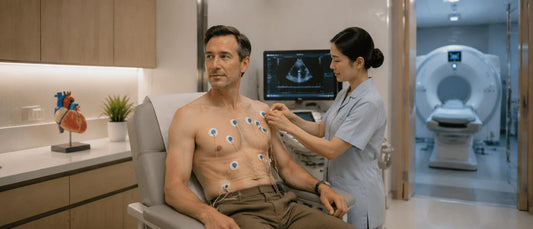

Cancer Risk Review
,
Cancer Screening China
,
China Health Screening
,
Cross-Border Healthcare
,
Medical Travel China
,
Preventive Health
,
U.S. Patients
Cancer Screening in China: A Guide for U.S. Patients Seeking Preventive Review
For many U.S. patients and families, cancer prevention and early risk awareness are deeply personal concerns. Some people have a family history of cancer. Others have previous abnormal test results, lifestyle risk factors, chronic symptoms, or anxiety about missed warning signs. Many patients want to understand whether they should pursue additional screening, a second review, or a more coordinated preventive health pathway.
Cancer screening in China may be worth exploring for selected U.S. patients who want a structured review of cancer risk, age-appropriate screening options, imaging findings, laboratory results, and potential specialist follow-up. In China, some hospitals, international medical departments, health management centers, and specialist teams may support international patients with preventive screening and medical coordination.
However, cancer screening must be approached carefully. No screening program can detect every cancer, prevent all disease, or guarantee early diagnosis. More testing is not always better. A responsible cancer screening plan should be based on age, sex, symptoms, family history, prior screening history, genetic risk when relevant, lifestyle factors, and physician judgment.
This guide explains what U.S. patients should know about cancer screening in China, what may be included, who may benefit, what to prepare, and how medChina.global helps coordinate a responsible medical pathway before travel.
Explore Cancer Screening Options in China
What Is Cancer Screening in China?
Cancer screening refers to tests and evaluations that may help identify certain cancers or cancer-related risks before symptoms become advanced. Screening may include medical history review, physical examination, laboratory testing, imaging, endoscopy, ultrasound, specialist consultation, or follow-up review depending on the patient’s situation.
In China, cancer screening may be offered as part of a preventive health checkup, a comprehensive health assessment, an executive health program, or a specialist-led review. For international patients, the value is not simply completing a long list of tests. The value is selecting appropriate screening tools, interpreting results clearly, and knowing what to do if an abnormal finding appears.
A responsible cancer screening pathway should help answer practical questions: Which cancer risks are most relevant to me? Which screenings are appropriate for my age and history? Do I need imaging, endoscopy, blood tests, or specialist review? What are the limitations of the tests? How should results be followed up after I return to the United States?
Why U.S. Patients Consider Cancer Screening Abroad
U.S. patients may have access to strong cancer screening programs through primary care physicians, specialists, insurance plans, and major medical centers. However, some patients still find the process fragmented. They may need separate appointments for blood tests, imaging, gastroenterology, gynecology, urology, dermatology, oncology, or genetic counseling.
Some U.S. patients explore cancer screening in China because they want a more coordinated pathway, private medical support, international hospital access, or a second perspective on previous abnormal findings. Others are already planning medical travel to China and want to combine preventive screening with a specialist consultation, comprehensive checkup, or family health program.
Common reasons U.S. patients consider China include:
- They have a family history of cancer and want a risk-based screening review.
- They have previous abnormal imaging, blood tests, endoscopy, or pathology reports.
- They want age-appropriate cancer screening as part of a preventive health plan.
- They want a second review of unclear or borderline findings.
- They want hospital matching, translation, appointment coordination, and follow-up planning.
- They are combining cancer screening with a broader full body checkup or preventive health checkup in China.
Cancer Screening vs. Cancer Diagnosis
It is important to understand the difference between cancer screening and cancer diagnosis. Screening is designed to look for certain risks or early warning signs in people who may or may not have symptoms. Diagnosis usually requires a more targeted medical evaluation, which may include imaging, biopsy, pathology, molecular testing, or specialist assessment.
A screening test may suggest that further evaluation is needed, but it does not always confirm cancer. Some abnormal results turn out to be benign. Some cancers may not be detected by routine screening. Some tests can create false positives, false negatives, incidental findings, or anxiety.
For this reason, U.S. patients should avoid choosing cancer screening based only on the largest package or the most advanced-sounding test. The most appropriate pathway should be guided by medical risk, symptoms, age, family history, prior results, and qualified physician interpretation.
Start With a Cancer Screening Suitability Review
What May Be Included in Cancer Screening in China?
The exact screening plan should be personalized. A responsible cancer screening program in China may include several of the following components depending on the patient’s needs.
1. Personal and Family Cancer Risk Review
A meaningful cancer screening plan begins with history. Patients should share family cancer history, personal medical history, prior abnormal findings, smoking history, alcohol use, occupational exposure, chronic inflammation, digestive symptoms, unexplained weight loss, fatigue, previous screening results, and current concerns. This helps determine which screenings may be appropriate.
2. Age-Appropriate Screening Planning
Screening needs differ by age and sex. A younger adult with no family history may need a different approach than an older adult with family history of colorectal cancer, breast cancer, lung cancer, liver cancer, prostate cancer, or gynecologic cancer. A responsible program should avoid a one-size-fits-all approach.
3. Laboratory Testing and Tumor Marker Discussion
Some programs may include blood tests and tumor markers. Tumor markers can be useful in certain clinical contexts, but they are not stand-alone cancer detection tools for everyone. Results can be affected by benign conditions, inflammation, liver disease, smoking, or other factors. Tumor marker results should be interpreted by qualified professionals and not used alone to diagnose or rule out cancer.
4. Imaging Review
Imaging may include ultrasound, CT, MRI, low-dose chest CT, mammography, or other tools depending on risk and medical need. Imaging can be valuable in selected cases, but it may also reveal incidental findings that require follow-up. Patients should understand the benefits, limitations, radiation exposure when relevant, and next steps before choosing advanced imaging.
5. Digestive Cancer Screening
For patients with age-related risk, family history, anemia, digestive symptoms, or previous abnormal findings, digestive screening may be considered. This may involve stool testing, endoscopy, colonoscopy, imaging, or gastroenterology consultation depending on the case. Endoscopic screening should be discussed carefully and performed only when appropriate.
6. Breast, Gynecologic, Prostate, and Lung Risk Review
Depending on the patient’s sex, age, risk factors, and medical history, screening may include review of breast health, gynecologic cancer risk, prostate health, or lung cancer risk. For example, a patient with significant smoking history may need a different screening discussion than a patient with no lung cancer risk factors.
7. Specialist Referral When Needed
If screening identifies abnormal findings, patients may need consultation with oncology, gastroenterology, pulmonology, breast surgery, urology, gynecology, hepatology, or another specialist. A screening pathway should include a clear plan for next steps, not simply deliver a test report without explanation.
Who May Benefit From Cancer Screening in China?
Cancer screening in China may be worth exploring for selected U.S. patients who are medically stable enough to travel and want a coordinated preventive review.
Possible candidates include:
- Adults with family history of cancer.
- Patients with prior abnormal imaging, blood tests, endoscopy, or pathology findings.
- Adults seeking age-appropriate cancer screening as part of a health checkup.
- Patients with risk factors such as smoking history, chronic liver disease, obesity, or long-term inflammation.
- Families planning preventive screening for parents or adult relatives.
- U.S. patients combining cancer risk review with a comprehensive health checkup in China.
This pathway may not be suitable for patients with severe symptoms, acute illness, unstable conditions, urgent suspected cancer, recent major surgery, or significant travel limitations. Those patients should seek local medical attention promptly before considering international travel.
Plan a China Cancer Screening Review
What U.S. Patients Should Prepare
Preparation helps make cancer screening more appropriate and useful. Before selecting a program, U.S. patients should gather relevant medical information and clarify their concerns.
Helpful materials may include:
- Personal medical history and current symptoms, if any.
- Family history of cancer, including cancer type and age at diagnosis.
- Prior imaging reports and images when available.
- Previous blood tests, tumor markers, endoscopy reports, or pathology reports.
- Current medications and supplements.
- Smoking history, alcohol use, occupational exposures, and lifestyle factors.
- Prior cancer screening history in the United States.
- Questions you want the medical team to answer.
- Preferred travel dates and expected length of stay.
Patients should also plan how results will be followed after returning home. Cancer screening is most valuable when abnormal findings are explained clearly and linked to appropriate next steps.
How medChina.global Helps U.S. Patients
medChina.global helps U.S. patients explore medical and preventive health options in China through structured coordination. For cancer screening, our role may include health goal intake, preliminary suitability review, hospital or program matching, medical record preparation, translation support, appointment coordination, specialist referral support when needed, and follow-up preparation.
We do not promise that screening will detect cancer, prevent cancer, or replace your local physician. Our role is to help patients approach China-based cancer screening responsibly, understand available pathways, and prepare for informed medical discussions.
Questions to Ask Before Choosing a Cancer Screening Program
Before choosing a cancer screening program in China, U.S. patients should ask:
- Which screenings are appropriate for my age, sex, family history, and risk factors?
- Which tests are not necessary for my situation?
- Who will interpret the results?
- Can I receive an English medical summary?
- What are the limitations of the screening tests?
- What happens if an abnormal result appears?
- Can specialist consultation be arranged if needed?
- How should I follow up after returning to the United States?
Frequently Asked Questions
Can U.S. patients get cancer screening in China?
Yes. Some Chinese hospitals, international medical departments, and health management centers may provide cancer screening or cancer risk review for international patients. The appropriate pathway depends on the patient’s history, risk factors, symptoms, prior results, and travel readiness.
Can cancer screening in China detect every cancer?
No. No cancer screening program can detect every cancer or guarantee early diagnosis. Screening can help identify certain risks or abnormal findings, but results must be interpreted carefully and followed up responsibly.
Is cancer screening the same as a cancer second opinion?
No. Cancer screening is usually for patients who want risk review or early detection planning. A cancer second opinion is usually for patients who already have a cancer diagnosis, suspected cancer, abnormal pathology, or a treatment decision that needs specialist review.
Can I combine cancer screening with a full body checkup?
Yes, selected patients may combine cancer screening with a full body checkup, comprehensive health checkup, or preventive health program. The screening plan should still be risk-based and medically appropriate.
Should I travel before knowing which screening I need?
No. U.S. patients should begin with a suitability review and share their health history before deciding whether travel is appropriate.
Explore Cancer Screening Options for U.S. Patients
This article is for informational purposes only and does not replace medical advice, diagnosis, or treatment. Patients should consult qualified healthcare professionals before making medical or travel decisions.
Tags:
Previous
Preventive Health Checkup in China: A Guide for U.S. Patients Planning Ahead
Next
IVF in China for Foreigners: A Guide for U.S. Patients Exploring Fertility Options