
International Medical Departments in China: What Canadian Patients Should Know
International medical departments in China are hospital-based service units or care pathways designed to support international patients with appointment coordination, specialist access, medical record preparation, bilingual communication, private consultation arrangements and follow-up documentation. For Canadian patients, they may provide a more structured entry point into China’s hospital system than trying to contact a department directly.
Many Canadian patients who consider medical care in China are not looking for emergency treatment. They may want a second opinion, cancer pathway review, fertility consultation, eye treatment, orthopedic assessment, rehabilitation plan, dental care, executive health check-up or access to specialist departments that match their condition.
The challenge is that China’s hospital system can be large, complex and difficult to navigate from abroad. International medical departments may help reduce that complexity by offering a more organised service model for overseas patients.
What Is an International Medical Department?
An international medical department is usually a dedicated hospital service channel for overseas patients, expatriates, private patients or people who need a more coordinated care experience. The exact structure varies by hospital. Some are located inside major public hospitals, while others are connected to private medical centres or specialty hospitals.
For Canadian patients, an international medical department may help with:
- Pre-appointment communication
- Medical record collection and review preparation
- Matching the patient with a suitable department or specialist
- Bilingual communication or translation coordination
- Private consultation scheduling where available
- Coordination of tests, imaging or multidisciplinary review
- Post-visit reports, summaries and follow-up documents
It is important to note that services differ by hospital. Not every hospital in China has the same international patient support capacity, and not every condition is suitable for every department.
Why Canadian Patients May Need This Type of Service
Canadian patients may be used to a referral-based healthcare system, where family physicians, specialists and hospitals coordinate care within Canada. When exploring China, the process can feel unfamiliar. Patients may not know which hospital to choose, which specialist department is appropriate, how to prepare records, or whether a pre-travel review is possible.
An international medical department or a cross-border coordination platform can help patients answer practical questions such as:
- Can this hospital review my condition?
- Which department should receive my records?
- Should I request oncology, ophthalmology, fertility, cardiology, orthopedics or rehabilitation review?
- Do my records need translation?
- Can I start with a case review before travelling?
- What happens after the consultation?
- How can my documents be shared with doctors in Canada later?
This is especially useful for patients who want a responsible pathway rather than a rushed travel decision.
How International Medical Departments Differ From Ordinary Outpatient Visits
In many hospitals, ordinary outpatient clinics are designed mainly for local patients. They may involve local registration systems, Chinese-language communication, crowded schedules and limited time for international coordination. For overseas patients, this can create barriers.
International medical departments may offer a different experience, such as:
- More structured appointment planning
- More personalised communication before the visit
- Support for international patient documentation
- Coordination across departments when needed
- More private or comfortable service environments in some hospitals
- Better preparation for follow-up documentation
However, “international” does not automatically mean the best fit for every case. The key is still medical relevance: the hospital, department and doctors must match the patient’s diagnosis and goals.
Which Canadian Patients May Benefit?
International medical departments in China may be useful for Canadian patients who need planned, non-emergency care and want a structured pathway. They may be especially relevant for patients seeking:
- Second medical opinions for cancer, heart disease, rare disease or complex diagnosis
- Oncology review including imaging, pathology, treatment planning or multidisciplinary discussion
- Eye care for cataract, glaucoma, retina, cornea, ICL or complex eye disease
- Fertility medicine including IVF, ICSI, PGT or reproductive genetics
- Cardiology review for coronary disease, arrhythmia, valve disease or cardiac rehabilitation
- Orthopedics and spine care for joint pain, mobility, sports injury or surgery evaluation
- Rehabilitation after stroke, surgery, cancer treatment, heart disease or neurological conditions
- Dental care including implants, reconstruction, orthodontics or oral surgery
- Executive health screening and preventive medical evaluation
Patients with urgent or unstable conditions should seek immediate care in Canada rather than waiting for international arrangements.
What Records Should Canadian Patients Prepare?
International medical departments can only help effectively when the patient’s medical information is clear. Before requesting a review, Canadian patients should prepare a concise but complete record package.
Useful Documents Include:
- Diagnosis summary and current medical concern
- Symptom timeline and treatment history
- Lab results and blood tests
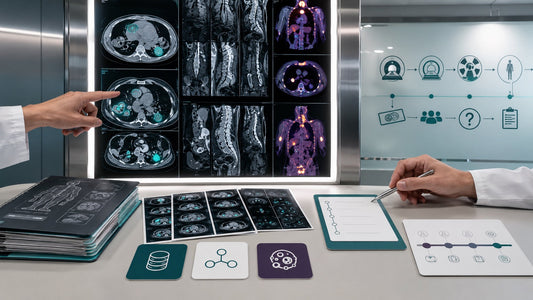
- Imaging reports such as MRI, CT, PET, ultrasound or X-ray
- Original imaging files where available
- Pathology reports for cancer or tissue diagnosis
- Medication list, allergies and current prescriptions
- Previous surgery notes or hospital discharge summaries
- Specialist letters or referral notes
- A short list of questions for the China-based medical team
For cancer, rare disease, advanced medicines, special medical devices, stem cell-related care, anti-aging medicine or experimental technologies, detailed documentation is especially important. Treatment suitability depends on individual medical conditions. Availability may vary by hospital, doctor, regulation and patient eligibility. A medical case review is necessary before any treatment decision.
How medChina.global Helps Canadian Patients Navigate This Process
medChina.global helps Canadian patients explore China-based medical pathways in a structured way. We are not a hospital and do not diagnose, treat or guarantee outcomes. Our role is to help patients understand which hospital type, department or service direction may be relevant to their case.
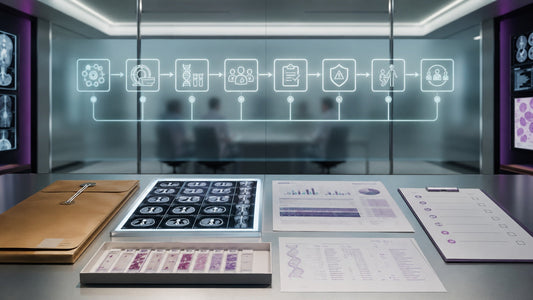
Step 1: Clarify the Medical Goal
The patient may need a second opinion, specialist consultation, treatment pathway review, fertility assessment, eye care, rehabilitation plan, dental care or preventive health screening. Clarifying the goal helps determine the right direction.
Step 2: Organise Medical Records
Records from Canada may need to be grouped, summarised and translated so that a China-based hospital or international medical department can review them more efficiently.
Step 3: Match the Patient With a Suitable Hospital Type
Some cases may be more suitable for a public hospital international medical department. Others may require a specialty hospital, rehabilitation centre, fertility clinic, eye hospital, dental hospital, private medical centre or Boao Lecheng pathway.
Step 4: Support Appointment and Communication Preparation
Where appropriate, medChina.global may help patients prepare consultation questions, understand practical planning, coordinate language support, and organise follow-up documentation.
Questions to Ask Before Choosing an International Medical Department
Canadian patients should ask practical questions before choosing a hospital pathway:
- Does this hospital or department regularly handle my condition?
- Can my records be reviewed before I travel?
- Is bilingual communication or translation support available?
- Will I receive written consultation notes or medical summaries?
- Can multiple departments coordinate if needed?
- What tests or imaging may be required in China?
- How will follow-up be planned after I return to Canada?
- Are advanced medicines or medical devices subject to eligibility review?
These questions help patients avoid confusion and build a safer, more realistic plan.
What International Medical Departments Can and Cannot Do
International medical departments can help organise access, communication and hospital navigation. They may make the experience smoother for Canadian patients who are unfamiliar with China’s medical system.
However, they cannot guarantee treatment success, guarantee access to a specific doctor, remove medical risks, or replace the need for local follow-up in Canada. Patients should continue working with qualified healthcare professionals before making treatment decisions.
FAQ: International Medical Departments in China for Canadians
Do all Chinese hospitals have international medical departments?
No. Some major hospitals and medical centres have international service pathways, while others mainly serve local patients. Service capacity varies by hospital and location.
Can Canadian patients contact an international medical department before travelling?
In some cases, yes. Many patients begin by preparing records and exploring whether a pre-travel case review or appointment planning is possible.
Are international medical departments private?
Some are located within public hospitals, while others are part of private medical centres. The service model varies. Patients should evaluate both the medical specialty and the service pathway.
Can I get a second opinion through an international medical department?
In selected cases, a second opinion or specialist review may be possible, depending on the condition, records, department, doctor availability and hospital process.
Can medChina.global guarantee appointment access?
No. Appointment access, hospital acceptance, doctor availability, treatment suitability and advanced medical pathways depend on the case, hospital review, physician assessment, regulation and patient eligibility.
Should international medical care replace my Canadian doctor?
No. China-based care should be considered a complementary pathway for selected non-emergency situations. It should not replace Canadian emergency care, local diagnosis, medication management or follow-up.
Final Thoughts
International medical departments in China may help Canadian patients access a more organised hospital pathway, especially when language, appointment systems, department selection and medical documentation feel difficult to manage from abroad.
For patients considering China, the best first step is not choosing the most famous hospital. It is clarifying the medical goal, organising records and matching the case with the right department or service pathway.
medChina.global helps Canadian patients explore these options carefully, without replacing Canadian medical advice or promising outcomes.
This article is for informational purposes only and does not replace professional medical advice. Patients should consult qualified healthcare professionals before making treatment decisions.
Tags:
Previous
Private Medical Care Abroad for Canadian Patients: When Global Options May Be Worth Exploring
Next
China Medical Concierge Services for Canadian Patients: What They Include and When to Use Them