
China Medical Concierge Services for Canadian Patients: What They Include and When to Use Them
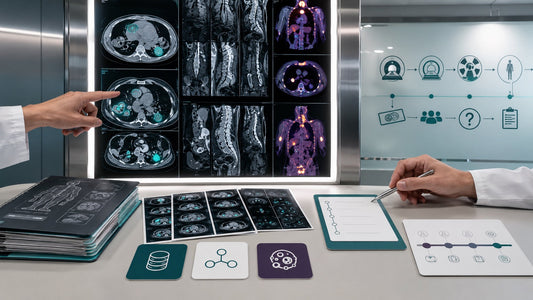
China medical concierge services for Canadian patients refer to non-emergency support services that help patients organise medical records, explore suitable China hospitals or departments, prepare for specialist review, coordinate appointments, plan travel, and organise follow-up documentation. They are designed to make cross-border medical planning clearer, safer, and more structured.
For Canadian patients, the challenge is often not only finding a hospital in China. It is understanding which department is relevant, what records are required, how to communicate across languages, whether pre-travel review is possible, what to expect during the visit, and how to continue care after returning to Canada.
A medical concierge service does not replace doctors. It does not diagnose, treat, guarantee appointments, or promise outcomes. Instead, it helps patients and families move through the planning process in an organised way.
Why Canadian Patients May Need Medical Concierge Support
Canada has many qualified healthcare professionals and respected hospitals. However, when patients begin exploring medical care outside Canada, the process can become complicated quickly. Different countries have different appointment systems, medical record requirements, language environments, hospital pathways, and follow-up expectations.
Canadian patients may look for China medical concierge services when they need help with:
- Understanding whether China may be relevant for their medical condition
- Preparing medical records for hospital or specialist review
- Choosing between public hospitals, international medical departments, specialty hospitals, and private medical centres
- Coordinating communication with hospitals or service teams
- Planning non-emergency medical travel responsibly
- Managing family questions, timelines, documents, and follow-up needs
For many patients, the value is not only convenience. It is clarity. A good concierge process helps patients avoid random hospital searching and move toward case-based planning.
Who Might Use a China Medical Concierge Service?
China medical concierge support may be useful for Canadian patients and families who are exploring planned medical care rather than emergency treatment.
Patients Seeking a Second Opinion
Patients with cancer, heart disease, rare disease, neurological symptoms, eye disease, fertility concerns, orthopedic conditions, or uncertain diagnoses may want another specialist perspective before making decisions.
Families Coordinating Care for a Loved One
Family members often help organise medical records, compare hospitals, communicate with service teams, and support travel. A concierge service can help turn scattered information into a clearer plan.
Patients Comparing Private International Care
Some Canadians explore China for private services such as dental implants, IVF, eye care, rehabilitation, executive health screening, or wellness-focused medical programmes. These services may require careful provider matching and realistic cost planning.
Patients Who Need Language and Process Support
Even patients who speak some Chinese may need help translating medical terminology, organising reports, or navigating hospital workflows. International care requires more than ordinary travel translation.
What China Medical Concierge Services May Include
Services vary by provider, but a structured medical concierge pathway for Canadian patients may include the following areas.
1. Medical Goal Clarification
The first step is understanding what the patient wants to solve. Is the goal a second opinion, hospital matching, treatment planning, rehabilitation, fertility care, eye treatment, dental care, preventive screening, or a review of advanced options?
Without a clear goal, patients may waste time contacting the wrong hospital or department.
2. Medical Record Organisation
Medical records are the foundation of cross-border care planning. A concierge service may help patients identify which records are most important, such as imaging reports, lab results, pathology reports, medication lists, discharge summaries, referral letters, and treatment history.
For Canadian patients, records may need to be reorganised into a concise summary so that China-based providers can understand the case more efficiently.
3. Translation and Medical Summary Support
Depending on the hospital or department, key documents may need translation. This may include diagnosis summaries, major imaging reports, pathology findings, surgery notes, and current treatment plans.
Translation should be medically accurate and focused on the information needed for review. The goal is not to translate every page immediately, but to make the essential information clear.
4. Hospital and Department Matching
Hospital matching is one of the most important parts of a concierge service. The right match depends on the patient’s diagnosis, urgency, specialty needs, service preferences, language needs, and travel readiness.
For example:
- A cancer patient may need oncology, imaging, pathology, or multidisciplinary review.
- An eye patient may need ophthalmology rather than a general hospital department.
- A fertility patient may need reproductive medicine and genetics.
- A stroke patient may need rehabilitation and long-term recovery support.
- A dental patient may need implant, restoration, periodontal, or oral surgery expertise.
5. Appointment Preparation
A concierge service may help clarify what kind of appointment is being arranged: initial consultation, specialist review, multidisciplinary discussion, diagnostic testing, treatment planning, rehabilitation assessment, or health screening.
Patients should know what to expect before they arrive.
6. Travel and Local Coordination
If travel becomes appropriate, patients may need help with timing, location planning, local transportation, accommodation, family companion arrangements, language support, and documents needed for the visit.
This planning should happen only after medical direction is reasonably clear.
7. Post-Visit Documentation and Follow-Up Planning
After a visit in China, patients may need consultation notes, test results, prescriptions, imaging files, procedure reports, discharge summaries, and follow-up recommendations. These documents may need to be organised or translated so the patient can continue discussions with healthcare providers in Canada.
How medChina.global Supports Canadian Patients
medChina.global helps Canadian patients explore China-based medical pathways through structured, non-emergency coordination. We are not a hospital and do not diagnose, treat, or guarantee outcomes. Our role is to help patients and families understand whether China may be relevant and how to prepare responsibly.
Our support may include:
- Initial inquiry review and medical goal clarification
- Medical record organisation and document preparation
- China hospital and department matching
- International medical department pathway exploration
- Appointment preparation and question planning
- Travel readiness and practical coordination support
- Post-visit documentation organisation
For patients from Canada, this can reduce confusion and help make the first step more manageable.
What Medical Concierge Services Cannot Promise
A responsible medical concierge service should be clear about limits. Patients should be cautious if any provider promises guaranteed treatment results, instant access to any doctor, fixed treatment outcomes, or unrestricted access to advanced medicines or devices.
Medical concierge services cannot guarantee:
- Diagnosis or treatment outcomes
- Hospital acceptance
- Doctor availability
- Eligibility for advanced medicines or medical devices
- Suitability for surgery, stem cell-related care, anti-aging medicine, rare disease treatment, or experimental options
- Exact costs before case review
- Replacement of Canadian medical follow-up
Treatment suitability depends on individual medical conditions. Availability may vary by hospital, doctor, regulation, and patient eligibility. A medical case review is necessary before any treatment decision.
Questions Canadian Patients Should Ask a Medical Concierge Service
Before choosing any cross-border medical coordinator, patients should ask practical questions:
- Do you start with medical record review?
- How do you match hospitals or departments?
- Do you explain what documents are needed?
- Do you support translation or medical summaries?
- Can you help clarify whether travel is needed?
- Do you explain risks and limitations clearly?
- How do you support follow-up documentation after the visit?
- Do you avoid promises of guaranteed outcomes?
These questions help patients distinguish responsible coordination from marketing-focused medical tourism.
When Should You Contact a Concierge Service?
Canadian patients may consider contacting a medical concierge service when they have a defined concern but are unsure how to explore China-based options.
Good timing may include:
- After receiving a diagnosis and before making a major treatment decision
- While waiting for a specialist or procedure in Canada
- Before starting cancer, fertility, orthopedic, heart, or eye treatment decisions
- When comparing private services such as dental care, IVF, rehabilitation, or executive screening
- When family members need help organising records and questions
The safest first step is usually information gathering, not immediate travel.
FAQ: China Medical Concierge Services for Canadian Patients
What is a China medical concierge service?
It is a non-emergency coordination service that helps patients organise records, explore hospitals or departments, prepare for appointments, plan medical travel, and manage follow-up documentation.
Does a medical concierge service provide diagnosis?
No. A concierge service does not diagnose or treat. Diagnosis and treatment decisions must be made by qualified healthcare professionals.
Can medChina.global choose the right hospital for me?
medChina.global can help explore hospital and department directions based on your condition, records and goals. Final hospital acceptance, doctor availability and treatment suitability depend on medical review.
Do I need to travel to China immediately?
No. Many patients begin with medical record preparation and case review before deciding whether travel is appropriate.
Can a concierge service guarantee treatment access?
No. Access to doctors, hospitals, medicines, devices, procedures or special pathways depends on the patient’s case, hospital policy, physician assessment, regulation and eligibility.
Is China medical concierge support a replacement for Canadian healthcare?
No. It should be considered a complementary support pathway for selected non-emergency situations. Patients should continue consulting qualified healthcare professionals in Canada.
Final Thoughts
China medical concierge services for Canadian patients can make the cross-border healthcare process more structured and less confusing. The value is not in promising quick solutions. The value is in helping patients ask the right questions, organise records, understand hospital options, prepare appointments, and plan follow-up responsibly.
For Canadian patients considering medical care in China, the safest first step is to clarify the medical goal and review the case before making travel decisions.
This article is for informational purposes only and does not replace professional medical advice. Patients should consult qualified healthcare professionals before making treatment decisions.
Tags:
Previous
International Medical Departments in China: What Canadian Patients Should Know
Next
Cross-Border Medical Care for Canadians: Why China May Be an Option