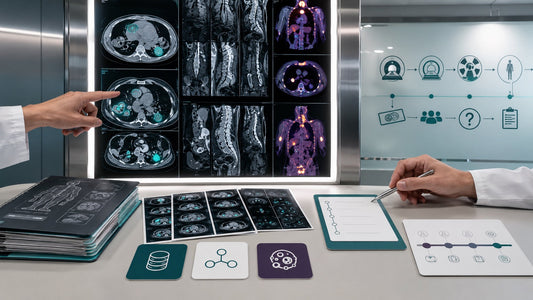

China Hospitals for International Patients: A Guide for Canadians
China hospitals for international patients refer to hospitals, specialty centres, international medical departments, and private medical providers in China that may be able to support non-Chinese patients with planned, non-emergency medical services. For Canadian patients, these services may include second opinions, specialist consultations, treatment planning, rehabilitation, fertility medicine, eye care, dental care, health screening, or cross-border medical coordination.
For patients from Canada, the key question is not simply “Which is the best hospital in China?” A more useful question is: Which China hospital, department, and service pathway is suitable for my specific medical condition, records, goals, timing, and follow-up needs?
China has a large and diverse healthcare system. Some hospitals are major public academic hospitals. Some have international medical departments. Some are specialty hospitals focused on areas such as cancer, eye care, fertility, rehabilitation, cardiology, dentistry, or Traditional Chinese Medicine. Others are private medical centres designed around international patient service and coordinated care.
This guide helps Canadian patients understand how to think about hospital matching in China before making travel or treatment decisions.
Why Canadian Patients May Look for Hospitals in China
Canadian patients may explore China hospitals for several reasons. Some are waiting for a specialist appointment or procedure in Canada. Others want a second opinion before making a major treatment decision. Some are comparing private international services such as fertility medicine, dental care, eye treatment, rehabilitation, or preventive health screening.
Common reasons include:
- Seeking a second medical opinion for cancer, heart disease, rare disease, eye disease, or orthopedic conditions
- Exploring hospital departments that handle complex or high-volume cases
- Looking for international medical departments that support overseas patients
- Comparing private services such as IVF, dental implants, or executive check-ups
- Exploring rehabilitation, Traditional Chinese Medicine, or integrative care options
- Understanding whether special medical pathways may be relevant in selected cases
This does not mean that China is automatically better than Canada. Canada has many highly qualified doctors and hospitals. For some patients, China may simply be an additional pathway to explore when they want more information, a different specialist perspective, or coordinated private care outside Canada.
Types of China Hospitals International Patients May Encounter
1. Public Tertiary Hospitals With International Medical Departments
Many major Chinese public hospitals are large academic or tertiary hospitals with strong specialist departments. Some of these hospitals have international medical departments or VIP service pathways that may support overseas patients with appointment coordination, bilingual communication, private consultation areas, and more structured service experiences.
For Canadian patients, these hospitals may be relevant for complex medical conditions such as oncology, cardiology, neurology, orthopedics, ophthalmology, women’s health, endocrinology, and digestive disease.
2. Specialty Hospitals
Specialty hospitals focus on a particular medical area. These may include cancer hospitals, eye hospitals, fertility hospitals, dental hospitals, rehabilitation hospitals, cardiovascular hospitals, or Traditional Chinese Medicine hospitals.
For example, a patient with complex eye disease may need an ophthalmology specialty hospital rather than a general hospital. A fertility patient may need a reproductive medicine centre. A stroke patient may need rehabilitation expertise. Matching the specialty is often more important than choosing a famous hospital name.
3. Private Medical Centres
Private medical centres may offer international-style service models, private appointment pathways, bilingual coordination, preventive health check-ups, family medicine, dental care, medical aesthetics, or selected specialist services. They may be easier to navigate for some international patients, depending on the condition and service needed.
However, private does not always mean suitable. Medical appropriateness still depends on the patient’s diagnosis, condition, doctor availability, and follow-up needs.
4. Boao Lecheng Medical Resources
Boao Lecheng in Hainan is known for medical tourism and selected special-permission drug and device pathways. For some international patients, it may be relevant when exploring advanced medicines, medical devices, eye care technologies, cancer options, rare disease pathways, rehabilitation equipment, or specialist evaluations.
Availability is not automatic. Access depends on the patient’s condition, hospital review, physician assessment, regulation, and eligibility. A medical case review is necessary before any decision.
How Canadian Patients Should Evaluate a China Hospital
Hospital selection should be based on medical fit, not marketing language. Canadian patients should evaluate several practical factors before choosing a hospital or department.
Clinical Relevance
Does the hospital or department regularly manage your type of condition? A cancer patient, fertility patient, eye patient, or orthopedic patient will need very different medical resources.
International Patient Support
Can the hospital support overseas patients with appointment planning, communication, medical record review, translation, and written documentation?
Specialist Availability
Is there a relevant specialist or team available to review your case? Doctor availability may vary depending on schedule, hospital policy, department capacity, and medical urgency.
Pre-Travel Review Possibility
Can your records be reviewed before travelling? Pre-travel review helps reduce unnecessary trips and clarifies whether an in-person visit may be useful.
Follow-Up Planning
What documents will you receive after the visit? Will you get consultation notes, imaging results, prescriptions, procedure reports, discharge summaries, and follow-up recommendations?
Risk and Limitation Transparency
A credible medical pathway should explain not only potential benefits, but also risks, limitations, eligibility requirements, and uncertainty. Be cautious if a provider promises guaranteed results or does not review your records first.
What Records Canadian Patients Should Prepare
Before approaching a China hospital, Canadian patients should prepare a clear medical record package. This helps hospitals understand the case and decide whether a review or appointment is appropriate.
- Diagnosis summary and current medical concerns
- Symptom timeline and treatment history
- Recent laboratory results
- Imaging reports such as MRI, CT, X-ray, ultrasound, or PET scans
- Original imaging files, if available
- Pathology reports for cancer or tissue diagnosis
- Medication list, allergies, and current treatment plan
- Previous surgery or discharge summaries
- Specialist letters or referral notes
- Key questions you want the China medical team to answer
For cancer, rare disease, advanced medicines, special medical devices, stem cell-related care, anti-aging medicine, or experimental technologies, detailed medical records are essential. Treatment suitability depends on individual medical conditions. Availability may vary by hospital, doctor, regulation, and patient eligibility.
Common Medical Directions for Canadians in China
Canadian patients may explore China hospitals for different reasons. The most common service directions include:
- Cancer care: second opinions, oncology MDT, pathology review, imaging review, treatment planning
- Eye care: cataract, glaucoma, retina, cornea, refractive surgery, complex eye disease
- Fertility medicine: IVF, ICSI, PGT, reproductive genetics, women’s health
- Cardiology: coronary disease, arrhythmia, valve disease, cardiac rehabilitation, cardiovascular screening
- Orthopedics: knee, hip, spine, sports injury, chronic pain, mobility conditions
- Rehabilitation: stroke recovery, post-surgery recovery, robotic rehabilitation, TCM-supported rehabilitation
- Dental care: implants, restoration, orthodontics, full-mouth reconstruction, oral surgery
- Preventive health: executive check-ups, cancer screening, metabolic assessment, longevity planning
- Traditional Chinese Medicine: acupuncture, chronic disease support, pain management, integrative recovery
How medChina.global Helps With China Hospital Matching
medChina.global helps Canadian patients explore China hospital options in a structured, non-emergency way. We are not a hospital and do not diagnose, treat, or guarantee outcomes. Our role is to help patients organise information, understand suitable directions, and coordinate next steps where appropriate.
Step 1: Understand the Medical Need
We first clarify whether the patient is seeking a second opinion, treatment pathway review, diagnostic review, elective care, rehabilitation, fertility support, health screening, or another planned service.
Step 2: Prepare Records for Review
We help patients understand which records may be important and how to structure their case for review by China-based hospitals or departments.
Step 3: Match the Case With Relevant Hospital Types
Depending on the condition, the case may be more suitable for a public hospital international medical department, specialty hospital, private medical centre, rehabilitation facility, eye hospital, fertility centre, dental hospital, or Boao Lecheng pathway.
Step 4: Support Appointment and Travel Preparation
If a China-based pathway appears appropriate, medChina.global may support appointment preparation, translation, communication, travel planning, and post-visit document organisation.
Questions to Ask Before Choosing a China Hospital
Canadian patients should ask practical questions before choosing a hospital or department:
- Is this hospital relevant to my condition?
- Does the department review international patient records before travel?
- Is translation or bilingual coordination available?
- What documents are required before appointment scheduling?
- Will I receive written medical notes after consultation?
- What follow-up will be needed after returning to Canada?
- Are there medical risks or travel risks I should discuss with my Canadian doctor?
- Are advanced medicines, devices, or special pathways subject to eligibility review?
The answers to these questions help patients avoid confusion and make better-informed decisions.
FAQ: China Hospitals for Canadian Patients
Can Canadian patients go to hospitals in China?
Selected Canadian patients may explore planned, non-emergency care in China through international medical departments, specialty hospitals, private medical centres, or coordinated care pathways. Suitability depends on the case and hospital review.
Do all China hospitals accept international patients?
No. Not all hospitals are suitable for international patients. Some hospitals have more experience with overseas patients, while others may require local language support or specific referral processes.
How do I know which China hospital is right for me?
The right hospital depends on your diagnosis, records, specialty needs, language support, travel readiness, and follow-up requirements. Hospital matching should be case-based.
Can I get a second opinion from a China hospital before travelling?
In some cases, medical record review may be possible before travel. This depends on the hospital, specialty, case complexity, and available records.
Can medChina.global guarantee hospital acceptance or treatment?
No. Hospital acceptance, doctor availability, treatment access, medicines, devices, and procedures depend on the patient’s case, hospital policy, physician assessment, regulation, and eligibility.
Should I stop care in Canada if I choose a China hospital?
No. Patients should not stop, delay, or change medical care in Canada without consulting qualified healthcare professionals. China-based medical review should be considered complementary.
Final Thoughts
China hospitals for international patients may offer Canadian patients additional pathways for specialist review, second opinions, private services, rehabilitation, fertility care, eye treatment, dental care, health screening, and selected advanced medical evaluations. But choosing a hospital should always begin with the patient’s medical condition, not with a hospital name alone.
The safest first step is to organise your medical records, clarify your goals, and explore which China medical direction may be suitable for your case.
This article is for informational purposes only and does not replace professional medical advice. Patients should consult qualified healthcare professionals before making treatment decisions.
Tags:
Previous
How Canadians Can See a Doctor in China: A Practical Guide for Patients
Next
Medical Travel from Canada to China: Step-by-Step Process for Patients