
Cancer Rehabilitation
,
China Medical Pathway
,
Cross-Border Medical Care
,
Medical Records
,
Post-Surgery Rehabilitation
,
Rehabilitation in China
,
Stroke Rehabilitation
,
UK Patients
Rehabilitation in China: What UK Patients Can Explore After Stroke, Surgery or Cancer Care
Rehabilitation in China may be explored by some UK patients after stroke, surgery, cancer care, neurological illness or complex medical recovery when they need a structured pathway to support mobility, strength, speech, swallowing, fatigue, pain, daily function and quality of life. However, rehabilitation should not be viewed as a guaranteed way to restore independence or reverse disability.
Rehabilitation is not a single treatment. It is a planned, goal-based process that may involve physiotherapy, occupational therapy, speech and language therapy, swallowing support, pain management, nutrition, psychological support, assistive devices, nursing care and medical review.
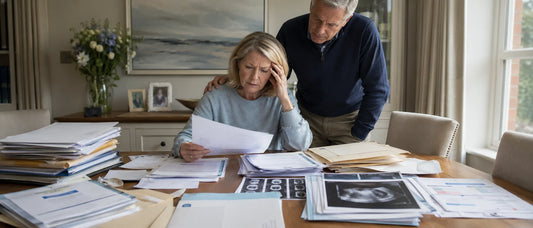
For UK patients considering China, the safest first step is not immediate travel. It is to gather discharge summaries, therapy notes, imaging, functional assessments and current care plans, then explore whether a China rehabilitation pathway may be suitable.
medChina.global helps UK patients organise rehabilitation records, prepare case summaries, explore relevant China rehabilitation directions and coordinate non-clinical communication where appropriate. medChina.global is not a rehabilitation hospital and does not diagnose, treat, prescribe or guarantee recovery outcomes.
Why UK Patients May Explore Rehabilitation Abroad
UK patients may begin researching rehabilitation abroad when they feel that recovery is taking longer than expected, when therapy intensity is limited, when family members need more coordinated support, or when a patient wants a structured environment after hospital treatment.
Patients and families may be looking for:
- stroke rehabilitation after hospital discharge;
- post-surgery rehabilitation after orthopaedic, neurological or major abdominal procedures;
- cancer rehabilitation after surgery, chemotherapy, radiotherapy or immunotherapy;
- neurological rehabilitation for mobility, balance, speech or swallowing problems;
- pain, fatigue or functional recovery support;
- international rehabilitation planning with translation and coordination;
- a second opinion on rehabilitation goals and suitability.
These needs are important. But rehabilitation abroad should be carefully planned, because the patient may still require medical monitoring, medication management, fall prevention, infection control, nutrition support or urgent care access.
Stroke Rehabilitation: What UK Patients Should Understand
Stroke recovery can affect movement, speech, swallowing, vision, balance, memory, mood and daily independence. A rehabilitation plan may involve several professionals, including physiotherapists, occupational therapists, speech and language therapists, nurses, doctors, dietitians and psychologists.
UK patients exploring stroke rehabilitation in China should prepare a clear picture of current function, not only the diagnosis. For example, a rehabilitation team may need to know whether the patient can walk, transfer from bed to chair, swallow safely, speak clearly, understand instructions, use one or both hands, manage toileting or live independently.
Useful stroke records may include:
- hospital discharge summary;
- brain CT or MRI reports;
- stroke type and date;
- neurology letters;
- physiotherapy and occupational therapy notes;
- speech and swallowing assessments;
- medication list, including blood thinners if relevant;
- mobility aids and fall-risk information;
- current rehabilitation goals.
Stroke rehabilitation cannot guarantee full recovery. Progress depends on the stroke, overall health, complications, motivation, therapy intensity, family support and many individual factors.
Post-Surgery Rehabilitation: More Than Rest and Exercise
After major surgery, rehabilitation may help patients rebuild strength, mobility and confidence. This may be relevant after joint replacement, spine surgery, neurosurgery, cardiac surgery, abdominal surgery or cancer surgery.
However, post-surgery rehabilitation must respect surgical precautions. A patient recovering from spine surgery, joint replacement or abdominal surgery may have movement restrictions, wound care needs, blood clot risks, infection concerns or medication requirements.
Before exploring rehabilitation abroad, patients should prepare:
- operation notes;
- discharge summary;
- surgeon follow-up letters;
- post-operative imaging if relevant;
- wound healing status;
- movement restrictions or precautions;
- physiotherapy instructions;
- pain medication list;
- blood clot prevention plan if applicable.
Patients should not travel for rehabilitation without confirming that they are medically stable and that travel will not interfere with surgical follow-up.
Cancer Rehabilitation: Recovery Beyond Treatment
Cancer rehabilitation may help some patients manage fatigue, weakness, breathlessness, nerve changes, pain, lymphoedema, swallowing problems, mobility issues, nutrition concerns or emotional adjustment after treatment. Some UK cancer centres provide guidance on managing physical consequences of cancer and cancer treatment, including fatigue, breathlessness, nerve changes, joint pain, nutrition, activity and recovery.:contentReference[oaicite:1]{index=1}
For UK patients after cancer surgery, chemotherapy, radiotherapy, immunotherapy or targeted therapy, rehabilitation planning should be linked to oncology safety. Patients may still need monitoring for blood counts, infection risk, nutrition, wound healing, lymphoedema, neuropathy or recurrence surveillance.
Patients should prepare:
- cancer diagnosis and staging records;
- operation reports and pathology;
- chemotherapy, radiotherapy or immunotherapy history;
- latest oncology letter;
- blood test results;
- infection or immune status concerns;
- fatigue, pain, neuropathy or lymphoedema records;
- oncology follow-up plan.
Rehabilitation should support recovery and function, not replace oncology monitoring or active cancer treatment.
What Rehabilitation in China May Include
A China rehabilitation pathway may vary depending on the patient’s condition and the institution involved. It may include medical review, therapy assessment, inpatient rehabilitation, outpatient sessions, traditional rehabilitation techniques, physiotherapy, occupational therapy, speech therapy, swallowing support, pain management, nutrition support or family training.
Depending on the case, patients may explore:
- stroke rehabilitation and neurological recovery support;
- post-surgical mobility and strength rehabilitation;
- cancer-related fatigue and function support;
- speech and swallowing rehabilitation;
- balance, gait and fall prevention training;
- pain and musculoskeletal rehabilitation;
- traditional Chinese medicine as supportive care where appropriate;
- longer-stay recovery planning for selected patients.
Any rehabilitation plan should be individualised. It should begin with assessment and clear goals, not a fixed package promising recovery.
What Medical Records Are Usually Needed?
Rehabilitation planning depends on functional details. A diagnosis alone does not show what the patient can do, what they cannot do, and what support they need.
Discharge Summaries
These explain what happened in hospital, what treatment was given and what follow-up is needed.
Therapy Notes
Physiotherapy, occupational therapy and speech therapy notes help show current ability, progress and goals.
Imaging and Test Results
CT, MRI, X-ray, ultrasound, blood tests or disease-specific investigations may be needed depending on the condition.
Medication List
Current medications, blood thinners, pain relief, anti-seizure medicines, cancer drugs or diabetes medicines may affect rehabilitation safety.
Functional Status
Patients should describe walking ability, transfer ability, balance, hand function, swallowing, speech, toileting, cognition, mood, pain and fatigue.
Travel and Care Needs
Wheelchair use, oxygen, feeding support, catheter care, wound care, fall risk, carer needs and emergency plans should be clear before travel.
What Rehabilitation Cannot Promise
Patients should be cautious of any provider that promises full recovery, walking again, speech recovery, pain elimination or complete independence. Rehabilitation can support progress, but outcomes vary.
Rehabilitation in China cannot guarantee:
- full recovery;
- walking ability;
- speech recovery;
- swallowing recovery;
- pain relief;
- fatigue improvement;
- return to work;
- independence in daily living;
- that overseas rehabilitation is faster, cheaper or better than UK care.
A responsible rehabilitation pathway should set realistic goals, measure progress, review risks and coordinate follow-up.
Step-by-Step: How UK Patients Can Explore Rehabilitation in China
Step 1: Keep UK Care Active
Do not stop NHS or private follow-up while exploring rehabilitation abroad. Continue medications, therapy exercises and medical appointments unless qualified clinicians advise otherwise.
Step 2: Clarify Rehabilitation Goals
Are you seeking walking improvement, hand function, speech, swallowing, fatigue management, pain control, independence in daily activities or carer training?
Step 3: Gather Records
Collect discharge summaries, therapy notes, imaging, test results, medication lists, operation notes, oncology letters or neurology reports.
Step 4: Assess Medical Stability
Review whether the patient is medically stable enough to travel. Consider infection risk, wounds, blood clots, seizures, swallowing safety, falls, oxygen, fatigue and medication needs.
Step 5: Start with Case Review
Remote case preparation can help identify whether China rehabilitation pathways may be worth exploring and what additional information is needed.
Step 6: Plan Length of Stay and Follow-Up
Rehabilitation often requires time. Patients should understand how long they may need to stay, how progress is measured and how UK follow-up will be coordinated after return.
Step 7: Decide with Qualified Professionals
Any decision about rehabilitation abroad should be made with qualified medical and rehabilitation professionals after assessment.
How medChina.global Supports UK Rehabilitation Patients
medChina.global helps UK patients and families approach rehabilitation in China in a structured way. The platform focuses on preparation, record organisation and non-clinical coordination.
Support may include:
- Confidential rehabilitation enquiry: helping patients describe diagnosis, current function and goals.
- Medical record organisation: sorting discharge summaries, therapy notes, imaging, test results and medication lists.
- Functional summary preparation: creating a clear overview of walking, balance, speech, swallowing, pain, fatigue and daily living needs.
- Missing record identification: helping patients understand what information may be needed before review.
- China rehabilitation direction matching: exploring whether stroke, post-surgery, cancer or neurological rehabilitation pathways may be relevant.
- Translation and communication support: preparing China-facing summaries where appropriate.
- Cross-border coordination: supporting non-clinical arrangements if a pathway moves forward.
- Post-return documentation: helping organise rehabilitation reports for UK follow-up.
medChina.global does not provide rehabilitation treatment, diagnose conditions, prescribe therapy or guarantee recovery outcomes.
FAQ: Rehabilitation in China for UK Patients
Can UK patients explore rehabilitation in China?
Some UK patients may explore China rehabilitation pathways, but suitability depends on diagnosis, functional status, medical stability, travel fitness, rehabilitation goals, institutional capability and professional assessment.
Is China rehabilitation suitable after stroke?
It may be worth exploring for selected patients, but stroke rehabilitation depends on stroke type, current function, swallowing safety, mobility, cognition, medical stability and therapy goals.
Can patients go to China for rehabilitation after surgery?
Some patients may explore post-surgery rehabilitation, but they should first confirm wound healing, movement restrictions, medication needs, blood clot risk and surgeon follow-up requirements.
Can cancer patients explore rehabilitation in China?
Some cancer patients may explore rehabilitation for fatigue, weakness, pain, swallowing, mobility or function, but rehabilitation should not replace oncology follow-up or active cancer care.
What records are needed before rehabilitation review?
Discharge summaries, therapy notes, imaging, operation reports, oncology or neurology letters, medication lists and functional status details may be needed.
Can medChina.global guarantee rehabilitation recovery?
No. medChina.global helps organise records and coordinate non-clinical communication. It does not provide rehabilitation treatment or guarantee recovery outcomes.
Should I stop UK rehabilitation while exploring China?
No. Continue NHS or private rehabilitation exercises, appointments and follow-up unless qualified clinicians advise otherwise.
Final Thoughts
Rehabilitation in China may be worth exploring for some UK patients after stroke, surgery, cancer treatment or complex medical illness. But rehabilitation should be planned carefully, with clear goals, complete records, medical stability assessment and realistic expectations.
The responsible first step is to prepare discharge summaries, therapy notes, imaging, functional status details and current care plans, then explore whether a China rehabilitation pathway may be appropriate through structured case review.
medChina.global helps UK patients organise rehabilitation records, prepare case summaries, explore relevant China medical directions and coordinate non-clinical support where appropriate.
This article is for informational purposes only and does not replace professional medical advice. Patients should consult qualified healthcare professionals before making treatment decisions.
Tags:
Previous
CAR-T Therapy in China: What UK Patients and Families Should Understand
Next
Chronic Pain and Traditional Chinese Medicine in China: A UK Patient Guide