
Cancer Second Opinion
,
Cancer Treatment Abroad
,
China Medical Case Review
,
Cross-Border Medical Care
,
Medical Records
,
Medical Treatment in China
,
Oncology Second Opinion
,
UK Patients
Cancer Second Opinion in China: What UK Patients Should Know
A cancer second opinion in China for UK patients means preparing oncology records, pathology reports, imaging, treatment history and current medical questions so that another oncology perspective or China medical direction can be explored. It does not guarantee a different diagnosis, a new treatment, access to a specific therapy or a better outcome.
For many patients and families, cancer decisions can feel urgent, emotional and complex. Patients may want to understand whether their diagnosis has been fully reviewed, whether their treatment plan is clear, whether molecular testing is relevant, whether another medical direction may exist, or whether China may be worth exploring as an additional pathway.
medChina.global helps UK patients prepare cancer case information, organise medical records, explore relevant China oncology directions and coordinate non-clinical communication where appropriate. medChina.global is not a hospital and does not diagnose, treat, prescribe or guarantee treatment access.
Why UK Patients May Seek a Cancer Second Opinion Abroad
Seeking a cancer second opinion does not mean a patient distrusts their current doctors. It often means the patient wants more clarity before making a difficult decision. Cancer care can involve diagnosis, staging, surgery, chemotherapy, radiotherapy, immunotherapy, targeted therapy, surveillance, palliative care or supportive care. Each stage may raise important questions.
UK patients may consider an oncology second opinion abroad when they are:
- newly diagnosed and trying to understand the treatment plan;
- waiting for further specialist discussion or diagnostic clarification;
- considering major surgery, chemotherapy, radiotherapy or systemic therapy;
- facing recurrence, progression or treatment resistance;
- reviewing whether molecular or genetic testing may be relevant;
- exploring whether China medical pathways may offer another perspective;
- helping a parent, spouse or family member organise complex oncology records.
A second opinion can help patients ask better questions, organise records and understand whether further review may be appropriate. It should support informed decision-making, not replace ongoing oncology care.
What a Cancer Second Opinion Can Help Clarify
Diagnosis and Pathology Review
Pathology is central to many cancer cases. A second opinion may help identify whether the pathology report, tumour type, grade, biomarker results or molecular findings need further review. In some cases, additional pathology information may be required before meaningful discussion can happen.
Stage and Disease Extent
Imaging reports such as CT, MRI, PET-CT, ultrasound or bone scan reports help explain the stage and spread of disease. A second opinion may help clarify whether the available imaging information is complete enough for further review.
Current Treatment Direction
Patients may want to understand the reasoning behind a proposed treatment direction. This may involve surgery, systemic therapy, radiotherapy, surveillance, symptom control or supportive care. A second opinion may help frame questions to discuss with the treating oncology team.
Whether More Testing May Be Relevant
Some cancer cases may require further biomarker, genetic, molecular or pathology testing before certain treatment directions can be considered. Whether testing is appropriate depends on cancer type, stage, previous tests and specialist judgement.
Whether a China Medical Pathway Is Worth Exploring
A second opinion may help identify whether further China-facing communication is worthwhile. This does not mean that a treatment is available, approved or suitable. It simply helps determine whether further review may be reasonable based on the case.
What a Cancer Second Opinion Cannot Guarantee
Because cancer is a high-risk medical area, patients should be cautious of any service that promises certainty too early. A cancer second opinion cannot guarantee a cure, diagnosis change, treatment eligibility or access to advanced therapies.
A responsible oncology review cannot guarantee:
- that the diagnosis will change;
- that a new treatment will be available;
- that China is suitable for the patient’s case;
- that a patient can access a specific medicine, device or therapy;
- that a hospital or doctor will accept the case;
- that treatment will be faster, cheaper or more effective;
- that outcomes will improve.
For areas such as immunotherapy, targeted therapy, CAR-T, cell therapy, special access medicines or innovative medical devices, eligibility may depend on cancer type, stage, biomarkers, previous treatments, patient condition, hospital assessment, doctor decision, institutional policy and applicable regulations.
Which Cancer Records Are Usually Needed?
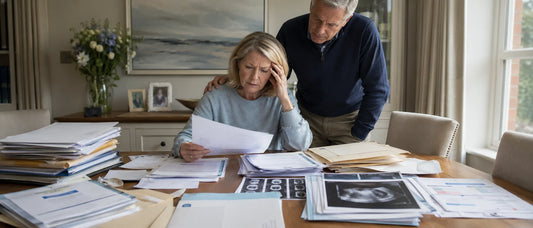
A cancer second opinion is only useful when the right information is available. Patients should avoid relying on memory alone. Written reports and structured records are essential.
Pathology and Biopsy Reports
Pathology reports usually show the cancer type and important diagnostic details. For some cases, immunohistochemistry, molecular testing or biomarker results may also be important.
Imaging Reports
CT, MRI, PET-CT, ultrasound, mammogram, X-ray or bone scan reports help explain where the cancer is and whether it has spread. Original imaging files may also be useful if available.
Staging Information
Staging helps describe the extent of cancer. If staging is unclear, the reviewing team may need more records before discussing options.
Treatment History
Patients should prepare a clear list of previous treatments, including surgery, chemotherapy, radiotherapy, immunotherapy, targeted therapy, hormone therapy or other treatments. Dates, doses and responses may be important.
Genetic, Molecular or Biomarker Testing
For some cancers, molecular and biomarker results can influence treatment discussions. Examples may include gene mutation testing, receptor status or other tumour markers, depending on cancer type.
Current Medication and General Health
Current medicines, allergies, other illnesses, performance status and recent blood tests may affect what is safe or appropriate.
Step-by-Step: How UK Patients Can Prepare for a China Cancer Case Review
Step 1: Keep Your UK Oncology Care Active
Do not stop NHS or private cancer care because you are seeking a second opinion abroad. Continue appointments, tests and treatment discussions unless qualified clinicians advise otherwise.
Step 2: Collect Core Oncology Documents
Gather pathology reports, imaging reports, staging information, treatment history, medication lists, blood tests and the latest oncology letters.
Step 3: Prepare a Cancer Timeline
Create a simple timeline of diagnosis, scans, pathology, treatments, recurrence or progression, side effects and current status. This helps reviewers understand the case quickly.
Step 4: Clarify Your Main Questions
Write down the questions you want answered. For example: “Is my current plan clear?” “Are additional tests worth discussing?” “Is a China oncology review relevant?” “What records are missing?”
Step 5: Request Case Review Preparation
medChina.global can help organise the case, identify missing records and explore whether relevant China oncology directions may be worth further communication.
Step 6: Review Suitability and Practical Feasibility
If China appears relevant, the next stage may involve further document preparation, hospital communication, appointment planning, translation, travel feasibility and aftercare planning.
When China May Be Worth Exploring for Oncology Review
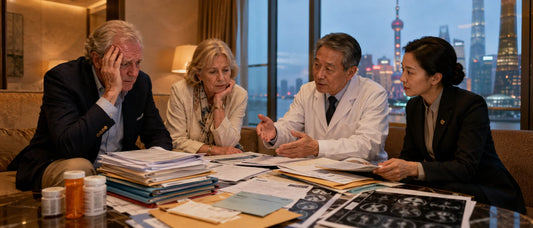
China may be worth exploring when a UK patient has a clear cancer diagnosis, organised records and a specific question that may benefit from another oncology perspective. It may be relevant for patients seeking second opinion, record review, treatment direction discussion, special access enquiry or cross-border coordination support.
Some patients may be exploring cancer treatment options abroad because they feel uncertain about timing, available options, private costs or next steps. Others may want to understand whether China has relevant medical resources for their cancer type or treatment stage.
However, China should not be considered a universal alternative to UK oncology care. Cancer treatment decisions are highly individual and must be based on clinical assessment. For urgent deterioration, uncontrolled symptoms or emergency complications, patients should seek local medical care immediately.
How medChina.global Supports UK Cancer Patients and Families
medChina.global helps UK patients and families approach China oncology review in a structured and careful way. The platform focuses on case preparation and coordination rather than promising treatment.
Support may include:
- Confidential oncology enquiry: helping patients describe diagnosis, current status and goals.
- Medical record organisation: sorting pathology, imaging, treatment history and oncology letters.
- Case summary preparation: creating a clear timeline and case overview for review.
- Missing record identification: helping patients understand what documents may still be needed.
- China oncology direction matching: identifying whether relevant China medical directions may be explored.
- Translation and communication support: preparing China-facing summaries where appropriate.
- Cross-border coordination: supporting appointment planning and documentation flow if the pathway moves forward.
medChina.global does not diagnose cancer, provide treatment, prescribe medicine or guarantee access to a specific oncology service. Clinical decisions must be made by qualified medical professionals.
Questions to Ask Before Seeking a Cancer Second Opinion Abroad
Before requesting an oncology second opinion abroad, patients and families should ask:
- What is the confirmed diagnosis and cancer stage?
- Do I have the latest pathology and imaging reports?
- Have molecular or biomarker tests been completed where relevant?
- What treatment has already been given?
- What exactly do I want another opinion to answer?
- Am I seeking information, treatment exploration or travel planning?
- How will I discuss any new information with my UK oncology team?
- What are the limits of remote review before in-person assessment?
These questions help keep the process realistic and medically responsible.
FAQ: Cancer Second Opinion in China for UK Patients
Can UK cancer patients get a second opinion in China without travelling?
Some patients may begin with remote case review preparation, depending on the records available. Final assessment or treatment decisions may require further clinical review.
What records are most important for a cancer second opinion?
Pathology reports, imaging reports, staging information, treatment history, molecular or biomarker tests, medication lists and recent oncology letters are often important.
Can a China second opinion change my treatment plan?
It may provide another perspective, but any treatment change should be discussed carefully with qualified clinicians. A second opinion does not automatically replace your current plan.
Can medChina.global arrange cancer treatment in China?
medChina.global can help prepare records, explore relevant China medical directions and coordinate non-clinical communication. It does not diagnose, prescribe, treat or guarantee treatment access.
Are advanced cancer therapies guaranteed in China?
No. Eligibility for immunotherapy, targeted therapy, CAR-T, cell therapy, special access medicines or medical devices depends on individual case review, clinical indication, hospital assessment, doctor decision and applicable regulations.
Should I stop UK cancer care while exploring China?
No. Patients should continue NHS or private oncology care unless qualified clinicians advise otherwise. Exploring a second opinion should support informed decision-making, not interrupt active care.
Final Thoughts
A cancer second opinion in China may help some UK patients and families understand whether another oncology perspective or China medical direction is worth exploring. The safest first step is not to travel immediately or choose a treatment package. It is to prepare pathology, imaging, treatment history and current questions for structured review.
medChina.global helps UK patients organise oncology records, prepare cancer case summaries, explore relevant China medical directions and coordinate non-clinical communication where appropriate.
This article is for informational purposes only and does not replace professional medical advice. Patients should consult qualified healthcare professionals before making treatment decisions.
Tags:
Previous
China Medical Concierge for UK Patients: What Does It Include?
Next
Cancer Treatment in China for International Patients: A UK Patient Guide