
Aftercare After Treatment Abroad
,
China Medical Pathway
,
Cross-Border Medical Care
,
Medical Care in China
,
Medical Records
,
Medical Treatment in China
,
UK Follow-Up Care
,
UK Patients
What Happens After Returning to the UK After Medical Care in China?
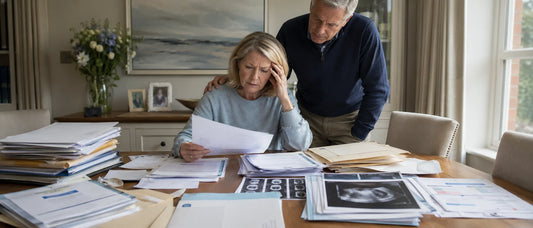
Returning to the UK after medical care in China is not the end of the patient journey. For many UK patients, the post-return stage is where safety, continuity and long-term outcomes are most affected. Patients may need discharge records, medication instructions, wound checks, blood tests, imaging follow-up, rehabilitation, GP updates, specialist review, emergency plans and translated documents.
Cross-border medical care should not be planned as a one-way trip: travel to China, receive care, fly home and move on. A responsible pathway should consider what happens before travel, during treatment, before discharge, during the return journey and after the patient arrives back in the UK.
For UK patients considering medical care in China, aftercare should be planned before treatment begins. Patients should know what documents they will receive, who explains the results, what warning signs to watch for, how medication changes will be managed and how UK clinicians can understand what happened abroad.
medChina.global helps UK patients organise post-treatment documents, prepare UK-facing summaries, translate key records and coordinate non-clinical communication where appropriate. medChina.global is not a hospital and does not diagnose, treat, prescribe or provide clinical aftercare.
Why Aftercare Matters After Treatment Abroad
Medical care does not stop at discharge. Many treatments require monitoring, medication management, wound care, rehabilitation, repeat imaging, blood tests, symptom tracking or specialist follow-up.
This is especially important after:
- surgery or procedures;
- cancer treatment or oncology review;
- heart care or medication changes;
- orthopaedic surgery or joint procedures;
- fertility treatment;
- eye procedures;
- rehabilitation programmes;
- special access medicine or device use;
- cell therapy or regenerative medicine discussion;
- complex diagnosis or rare disease review.
Without proper aftercare planning, patients may return to the UK with unclear records, unfamiliar medication names, unanswered questions or no clear plan for what to do if symptoms change.
Before Leaving China: Documents UK Patients Should Collect
Before flying home, UK patients should confirm that they have enough documentation for future care. A verbal explanation is not enough. UK GPs, specialists, emergency departments and private clinicians may need written records.
Important documents may include:
- discharge summary;
- diagnosis and treatment summary;
- operation report if surgery was performed;
- procedure note if any intervention was done;
- pathology report if relevant;
- imaging reports and image files where possible;
- blood test results;
- medication list with dose and duration;
- allergy information;
- implant, device or batch information where relevant;
- rehabilitation or physiotherapy instructions;
- follow-up schedule;
- warning signs and emergency instructions.
Patients should ask for records in English where available, or arrange accurate translation of key documents after return.
Medication Changes Must Be Clear
Medication is one of the highest-risk areas after treatment abroad. UK patients may return with new medicines, changed doses, discontinued medicines or short-term prescriptions from China.
Before leaving China, patients should understand:
- which medicines to continue;
- which medicines to stop;
- which medicines are temporary;
- the dose and timing of each medicine;
- possible side effects;
- whether medicines interact with existing UK prescriptions;
- whether the same medicine is available in the UK;
- who will review the medication after return.
Patients should not stop or change medication without qualified medical advice, especially for blood thinners, heart medication, cancer drugs, hormone treatment, fertility medication, antibiotics, pain medication or immunosuppressive medicines.
Warning Signs: When to Seek Urgent Help in the UK
After returning home, patients should know what symptoms require urgent medical attention. Warning signs depend on the treatment received, but some symptoms should never be ignored.
Seek urgent medical help if there is:
- chest pain or severe breathlessness;
- fainting, collapse or severe dizziness;
- stroke-like symptoms such as face drooping, arm weakness or speech difficulty;
- high fever or signs of infection;
- worsening wound redness, swelling, pus or severe pain;
- heavy bleeding;
- sudden leg swelling or possible blood clot symptoms;
- severe allergic reaction;
- new weakness, numbness or bladder or bowel problems;
- severe abdominal pain, confusion or rapidly worsening condition.
Patients should not wait for an overseas provider to reply if symptoms are urgent. Emergency care should be local.
Should You Tell Your UK GP?
In most cases, yes. Your GP or UK specialist may need to know what diagnosis was made, what treatment was given, what medication changed and what follow-up is required.
Patients may want to share:
- a short timeline of care in China;
- translated discharge summary;
- test results;
- medication list;
- operation or procedure report;
- follow-up recommendations;
- questions that require UK review.
However, UK clinicians may not automatically take over all planned private aftercare from overseas treatment. Patients should plan ahead and ask what can realistically be supported through NHS or private care.
NHS or Private Follow-Up: What Should Patients Expect?
UK patients should understand that aftercare responsibilities can vary. Emergency care is different from planned follow-up. If a patient becomes acutely unwell after returning from China, they should seek urgent local care. But routine aftercare, private investigations, medication continuation or elective follow-up may need separate planning.
Patients should consider:
- whether a UK GP appointment is needed;
- whether a private UK specialist should review records;
- whether NHS follow-up is already arranged;
- whether blood tests or imaging are needed after return;
- whether wound checks or dressing changes are needed;
- whether rehabilitation or physiotherapy is required;
- whether insurance covers post-return complications;
- whether overseas records are clear enough for UK clinicians.
The best time to plan UK follow-up is before travelling, not after a complication appears.
After Surgery or Procedures in China
If a patient has surgery or a medical procedure in China, aftercare may include wound care, pain control, infection monitoring, blood clot prevention, physiotherapy, repeat imaging and restrictions on activity or travel.
Patients should know:
- when stitches or staples should be removed;
- how wounds should be cleaned and checked;
- what pain level is expected;
- what symptoms suggest infection or complications;
- whether blood clot prevention is needed;
- when normal activities can restart;
- when flying, driving or exercising is allowed;
- who reviews progress after return.
Patients should ask for written instructions, because memory alone is unreliable after stressful medical care.
After Cancer Care or Oncology Review
Patients who travel to China for cancer second opinion, treatment discussion, special access pathways or supportive care should return with clear oncology documentation.
Important records may include:
- diagnosis and staging summary;
- pathology and molecular testing reports;
- treatment recommendation;
- medicine name, dose and schedule if treatment was given;
- side-effect monitoring plan;
- blood test schedule;
- imaging follow-up plan;
- emergency warning signs;
- summary for UK oncology team.
Patients should not interrupt UK oncology care without qualified professional advice. If China care is explored, continuity with UK cancer teams should be considered wherever possible.
After Rehabilitation or TCM Support
Some UK patients may return after rehabilitation, chronic pain support, traditional Chinese medicine consultation, acupuncture or health management programmes in China. These pathways still need documentation.
Patients should keep:
- rehabilitation assessment results;
- therapy plan and exercises;
- mobility or function progress notes;
- TCM consultation summary if relevant;
- herbal medicine details if used;
- pain or symptom tracking notes;
- follow-up recommendations;
- any safety warnings or contraindications.
For herbal medicine, patients should ensure UK clinicians know exactly what was taken, because interactions with prescription medication may matter.
Translation and Record Organisation
Medical translation is not only about language. It is about safety. A poorly translated discharge summary can cause confusion around diagnosis, medication, procedure details or follow-up.
Patients should organise documents into:
- China-facing original records;
- English summaries;
- UK GP summary;
- specialist follow-up pack;
- medication and allergy sheet;
- emergency information sheet;
- insurance and payment records.
A clear, concise summary can help UK clinicians understand what happened abroad more quickly.
What Post-Return Care Cannot Promise
Patients should be cautious of any provider that suggests follow-up will be automatic, simple or guaranteed after returning home.
Post-return care cannot guarantee:
- that UK clinicians will accept every overseas recommendation;
- that NHS follow-up will be immediate;
- that private follow-up costs will be covered;
- that medicines from China are available in the UK;
- that complications will be covered by insurance;
- that translated records will answer every clinical question;
- that recovery will continue as expected;
- that no complications will appear after return.
A responsible pathway should prepare patients for uncertainty and ensure they know where to seek help.
Step-by-Step: What to Do After Returning to the UK
Step 1: Keep All China Medical Documents
Store original records, digital files, test results, invoices, medication lists, procedure notes and follow-up instructions.
Step 2: Translate Key Records
Translate discharge summaries, diagnosis notes, operation reports, medication changes and follow-up recommendations where needed.
Step 3: Contact Your UK GP or Specialist
Share a concise summary and ask what follow-up is required, especially after surgery, cancer care, heart care, medication changes or complex treatment.
Step 4: Watch for Warning Signs
Follow the emergency advice provided by your China care team and seek urgent UK medical help if serious symptoms appear.
Step 5: Review Medication
Check that medication names, doses, duration and interactions are understood. Ask qualified professionals before making changes.
Step 6: Plan Rehabilitation or Monitoring
Arrange wound checks, blood tests, imaging, physiotherapy, rehabilitation or specialist review if needed.
Step 7: Keep a Long-Term Medical Timeline
Create a simple record of diagnosis, treatment dates, results, medication changes and follow-up plans for future care.
How medChina.global Supports UK Patients After China Care
medChina.global helps UK patients organise the post-treatment stage in a structured way. The platform focuses on documentation, communication and non-clinical coordination.
Support may include:
- Post-treatment record organisation: sorting discharge summaries, test results, imaging, procedure notes and medication lists.
- UK-facing summary preparation: helping create a concise overview of what happened in China.
- Translation coordination: supporting translation of key medical documents where appropriate.
- Medication information organisation: helping patients list names, doses, duration and questions for professional review.
- Follow-up checklist support: helping patients understand what questions to ask UK clinicians.
- China-provider communication support: coordinating non-clinical clarification where appropriate.
- Long-term document management: helping keep records organised for future case review.
medChina.global does not provide clinical aftercare, emergency care, prescribing, diagnosis or medical follow-up. Patients should seek qualified medical professionals for healthcare decisions.
FAQ: After Returning to the UK After Medical Care in China
What documents should I bring back after medical care in China?
Discharge summaries, diagnosis records, test results, imaging reports, medication lists, procedure notes, operation reports, follow-up plans and warning signs are usually important.
Should I tell my UK GP after treatment in China?
In most cases, yes. Your GP or specialist may need to know what treatment was received, what medication changed and what follow-up is recommended.
Will the NHS automatically provide follow-up after private treatment abroad?
Not necessarily. Emergency care should be sought when needed, but routine follow-up, private treatment continuation or planned aftercare may require separate arrangements.
What if I have a complication after returning to the UK?
If symptoms are urgent, seek local emergency care. For non-urgent issues, contact your GP, specialist or the treating provider according to your follow-up plan.
Can medChina.global translate my China medical records?
medChina.global may help coordinate translation and organise key records where appropriate, but medical decisions must be made by qualified professionals.
Should I stop UK care after receiving medical care in China?
No. Continue GP, specialist or NHS follow-up unless qualified clinicians advise otherwise. China care should be integrated into your wider medical record.
Final Thoughts
Aftercare after medical care in China is one of the most important parts of the cross-border patient journey. UK patients should return home with clear records, medication instructions, warning signs, follow-up plans and documents that UK clinicians can understand.
The responsible approach is to plan UK aftercare before treatment begins, collect complete records before leaving China and arrange follow-up promptly after returning home.
medChina.global helps UK patients organise post-treatment documents, prepare UK-facing summaries and coordinate non-clinical support where appropriate.
This article is for informational purposes only and does not replace professional medical advice. Patients should consult qualified healthcare professionals before making treatment decisions.
Tags:
Previous
Is Medical Treatment in China Safe for UK Patients?
Next
Medical Treatment in China Cost from the UK: What Affects the Final Quote?